Fish and coral reef
Aquarium
A kaleidoscope of tropical colours: clownfish, surgeonfish, pufferfish and the living lights of the reef.
Who lives in here.
27 species with a card, in 3 groups. Each one has its own card: scientific name, habitat, diet and conservation status.
IUCN Red List
How close a species is to disappearing.
The International Union for Conservation of Nature gives every species a step, from least concern to extinct. It is the scale you find on every card below: the more marks lit up, the more endangered the species.
-
LC
Least Concern
Widespread and abundant: not in danger for now.
-
NT
Near Threatened
Not yet at risk, but getting there.
-
VU
Vulnerable
At high risk of extinction in the wild.
-
EN
Endangered
Very high risk: the population is collapsing.
-
CR
Critically Endangered
The last step before disappearing from the wild.
Some species have no step: never assessed by the Red List. It does not mean they are doing well: it means nobody knows how many are left.
Coral reef
Coral reefs consist of biologically active rocky clusters formed by the sedimentation of the calcareous skeletons of small polyps called corals (Anthozoans) over many, many years.
These animals provide shelter for some microalgae (Zooxanthellae), which, through the processes of photosynthesis, return the favor by providing energy to the corals themselves. What results is one of the most fascinating and delicate natural environments in the world, unfortunately seriously threatened by global warming. Within such a natural labyrinth live some of the most colorful and fascinating fish, closely linked together to enable mutual survival.
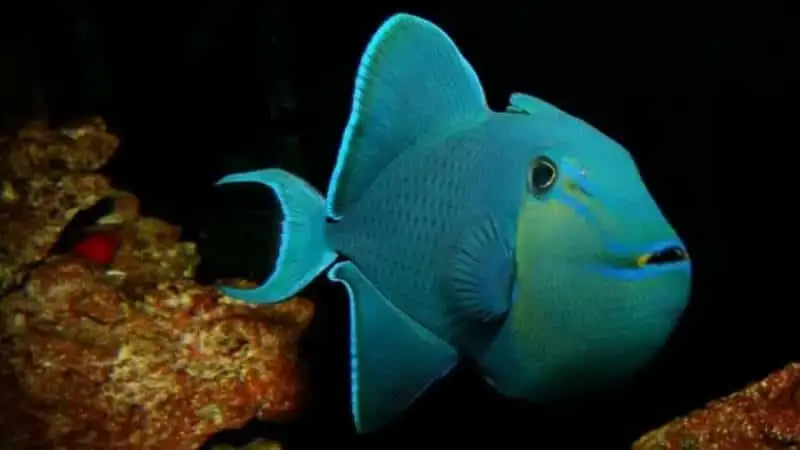 LC
Redtoothed triggerfish
Odonus niger
Least Concern
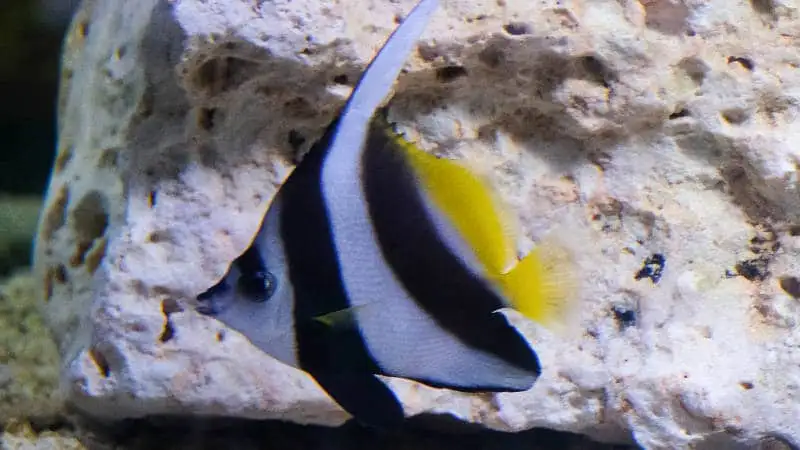 LC
Pennant coralfish
Heniochus acuminatus
Least Concern
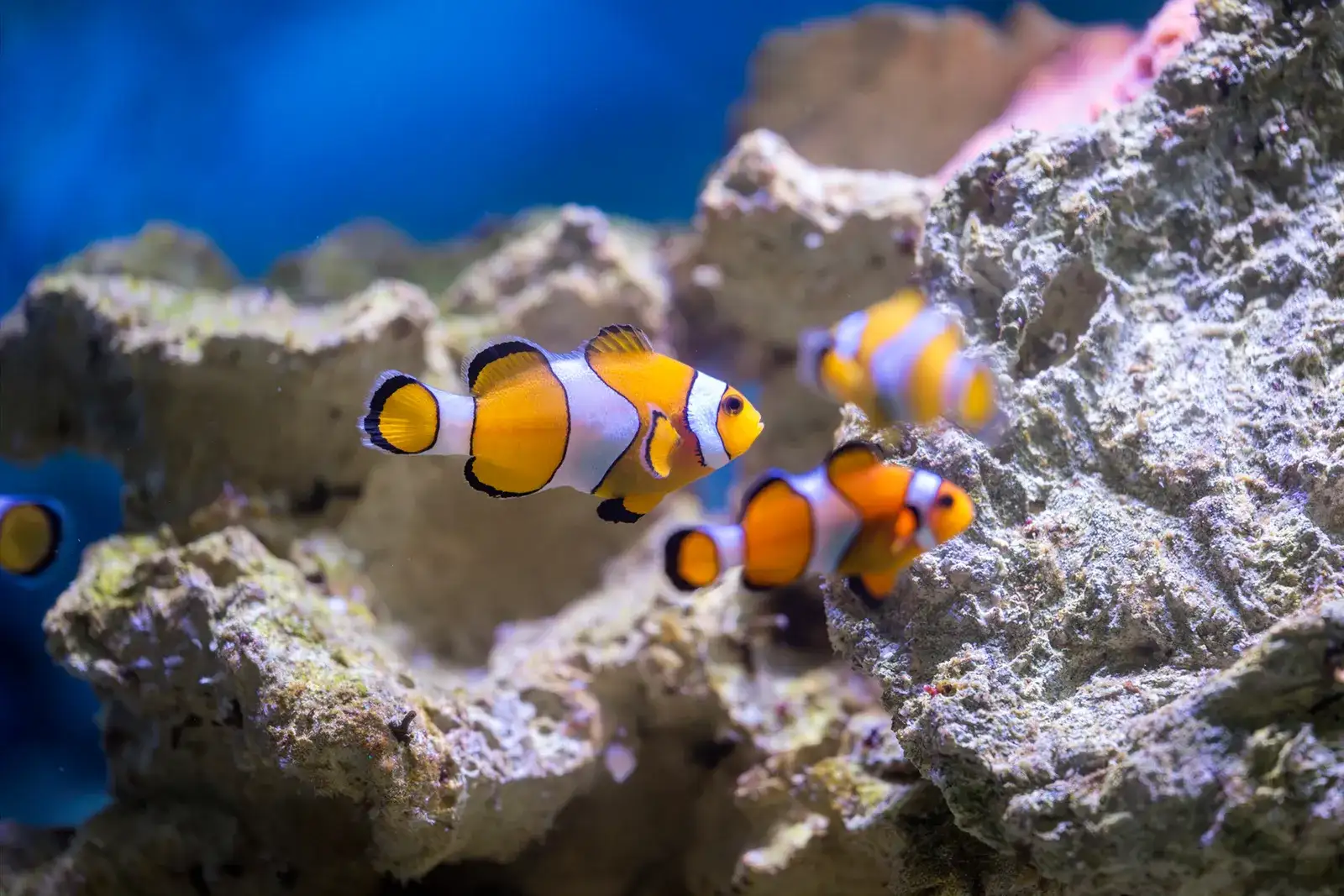 LC
Ocellaris clownfish
Amphiprion ocellaris
Least Concern
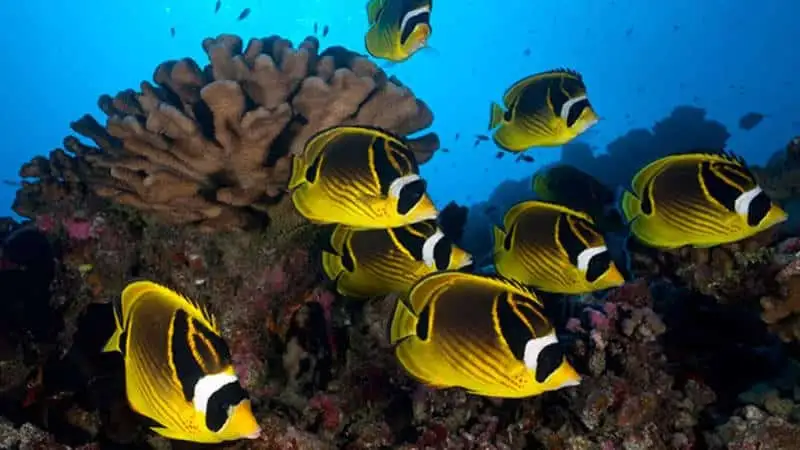 LC
Butterflyfish
Chaetodontidae
Least Concern
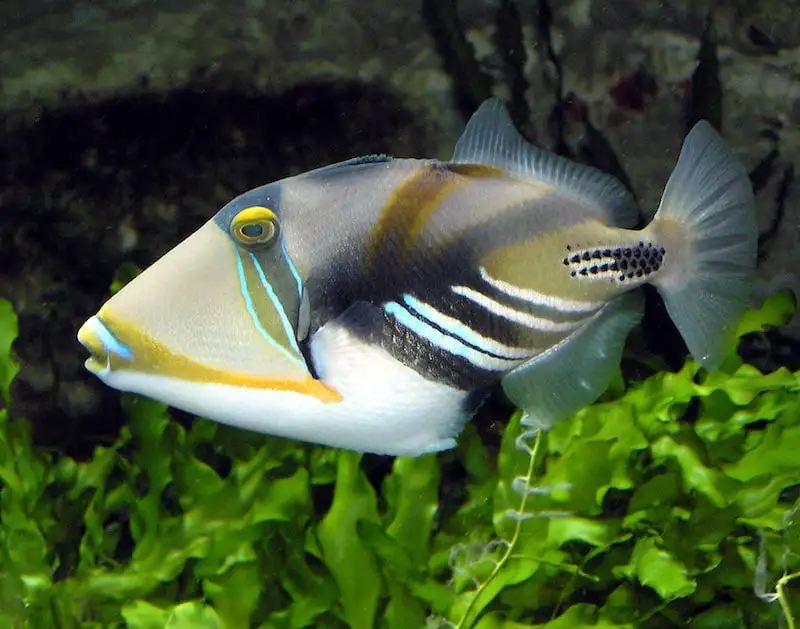 LC
Lagoon triggerfish
Rhinecanthus aculeatus
Least Concern
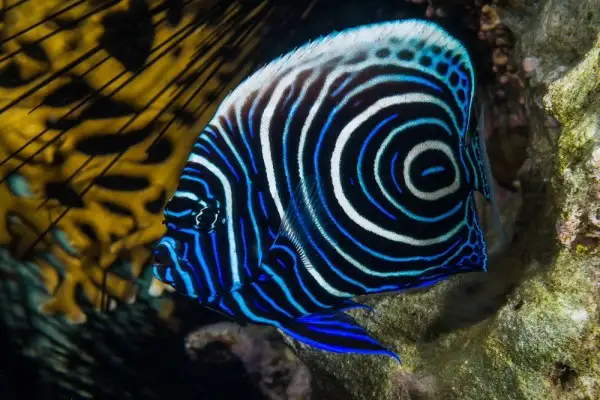 LC
Emperor angelfish
Pomacanthus imperator
Least Concern
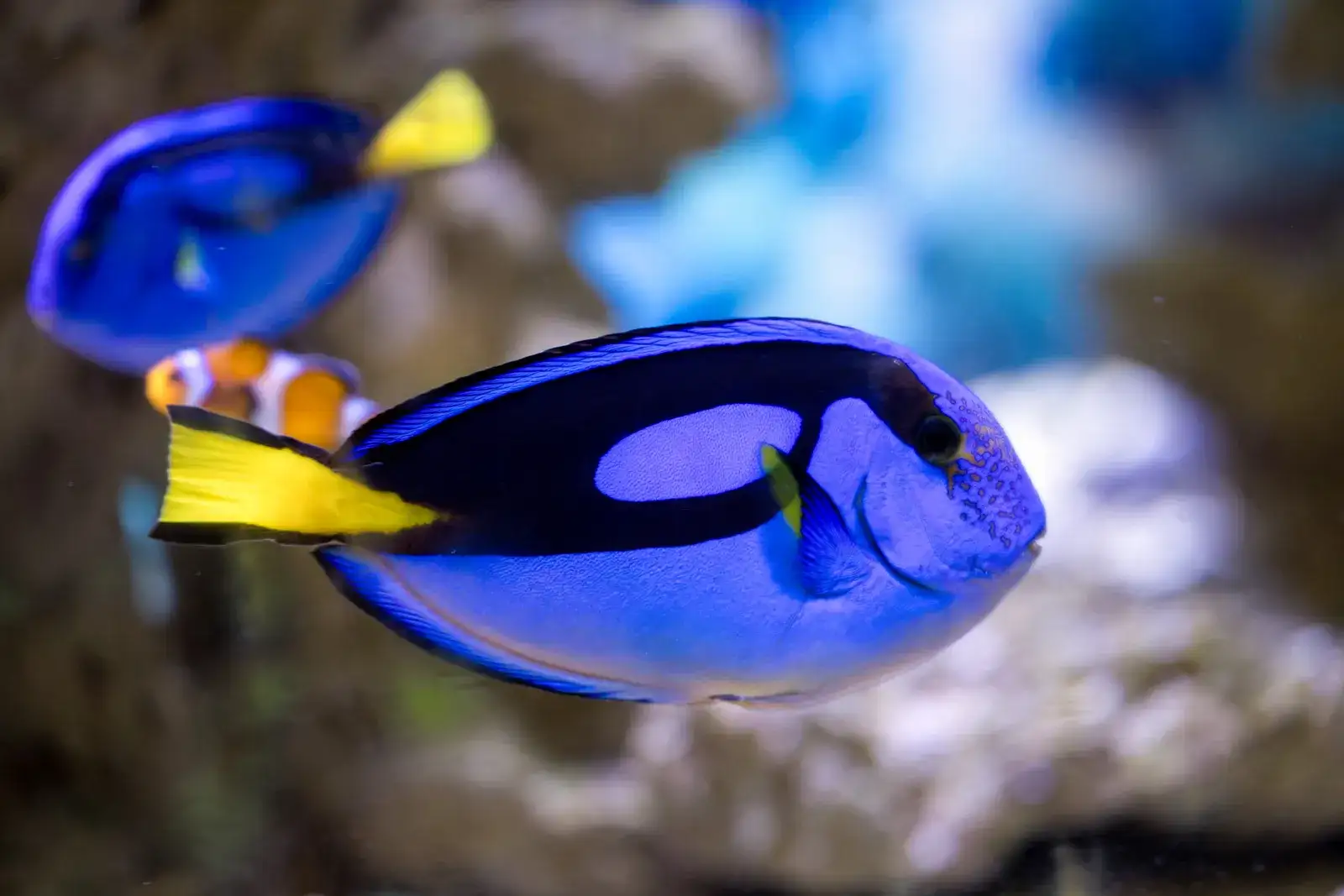 LC
Palette surgeonfish
Paracanthurus hepatus
Least Concern
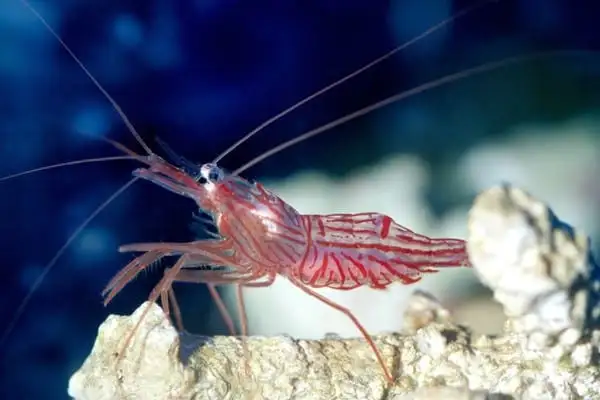 NE
Cleaner shrimp
Lysmata sp.
Not evaluated
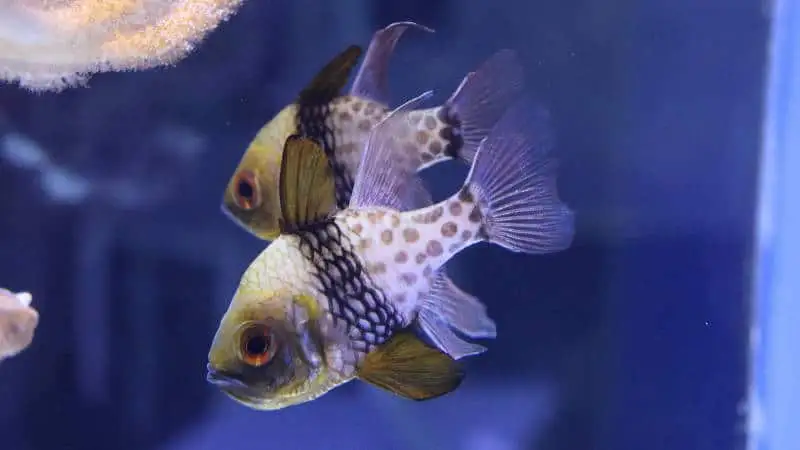 LC
Pyjama cardinalfish
Sphaeramia nematoptera
Least Concern
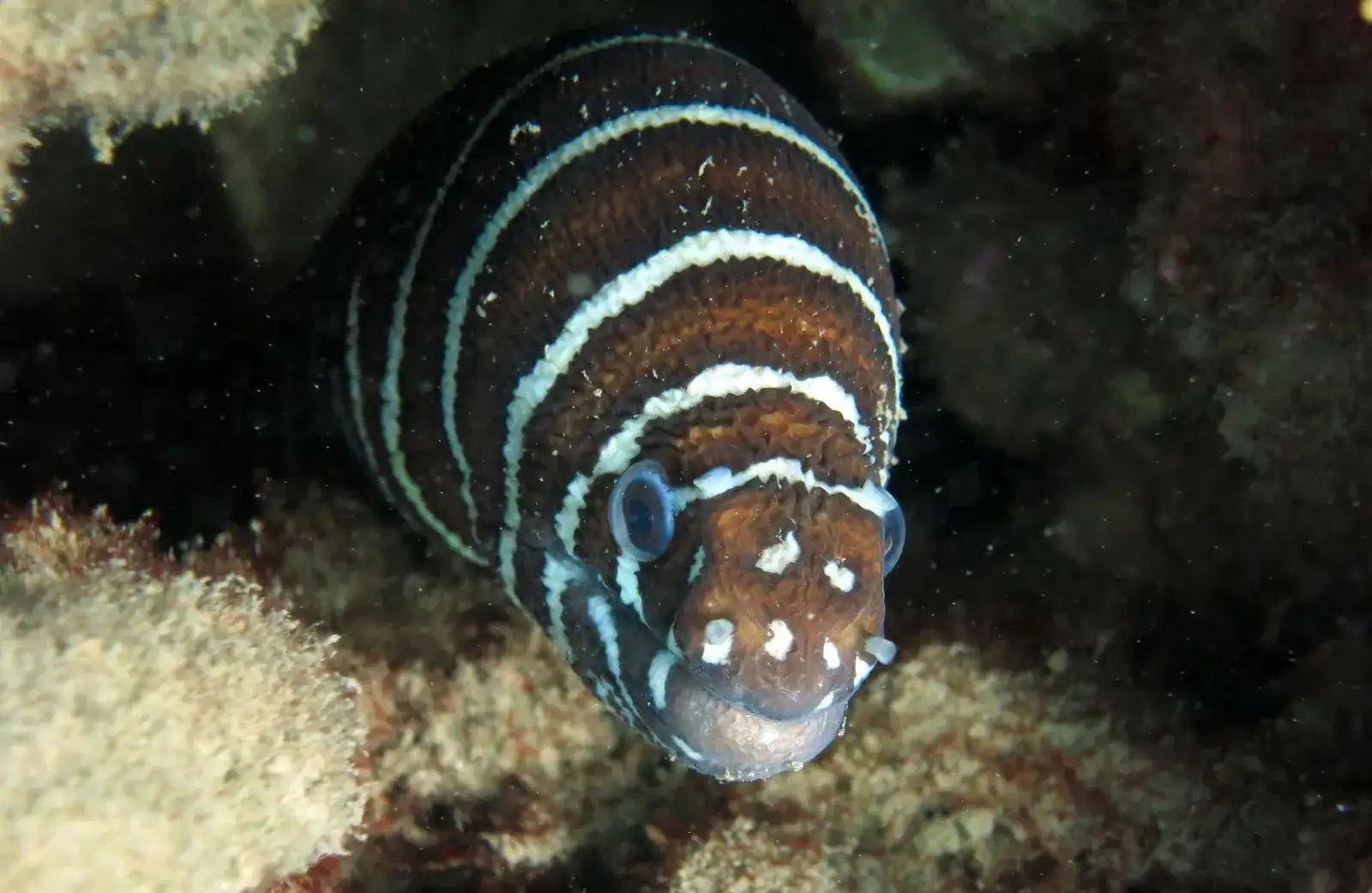 LC
Zebra moray
Gymnomuraena zebra
Least Concern
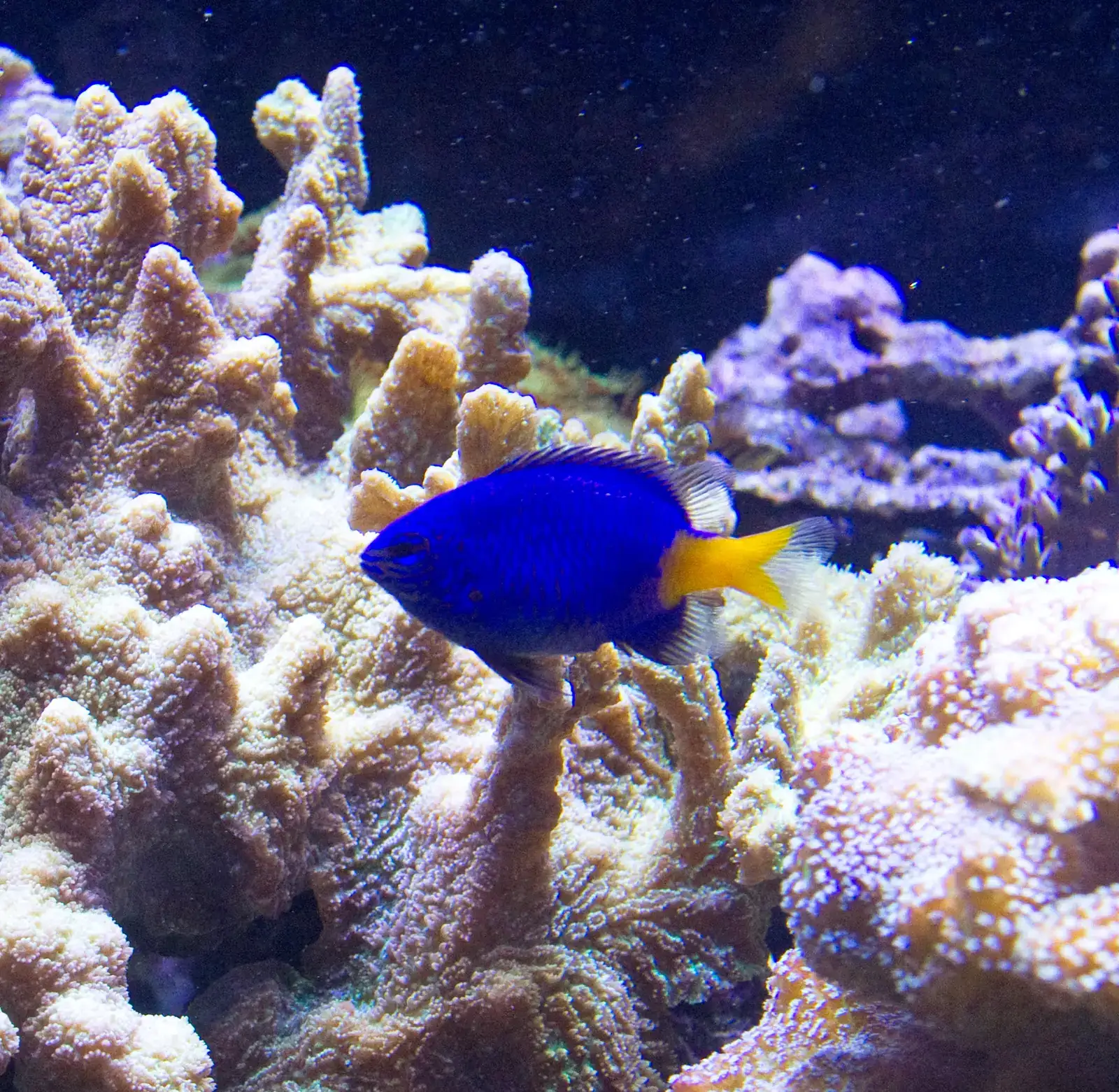 LC
Yellowtail damselfish
Chrysiptera parasema
Least Concern
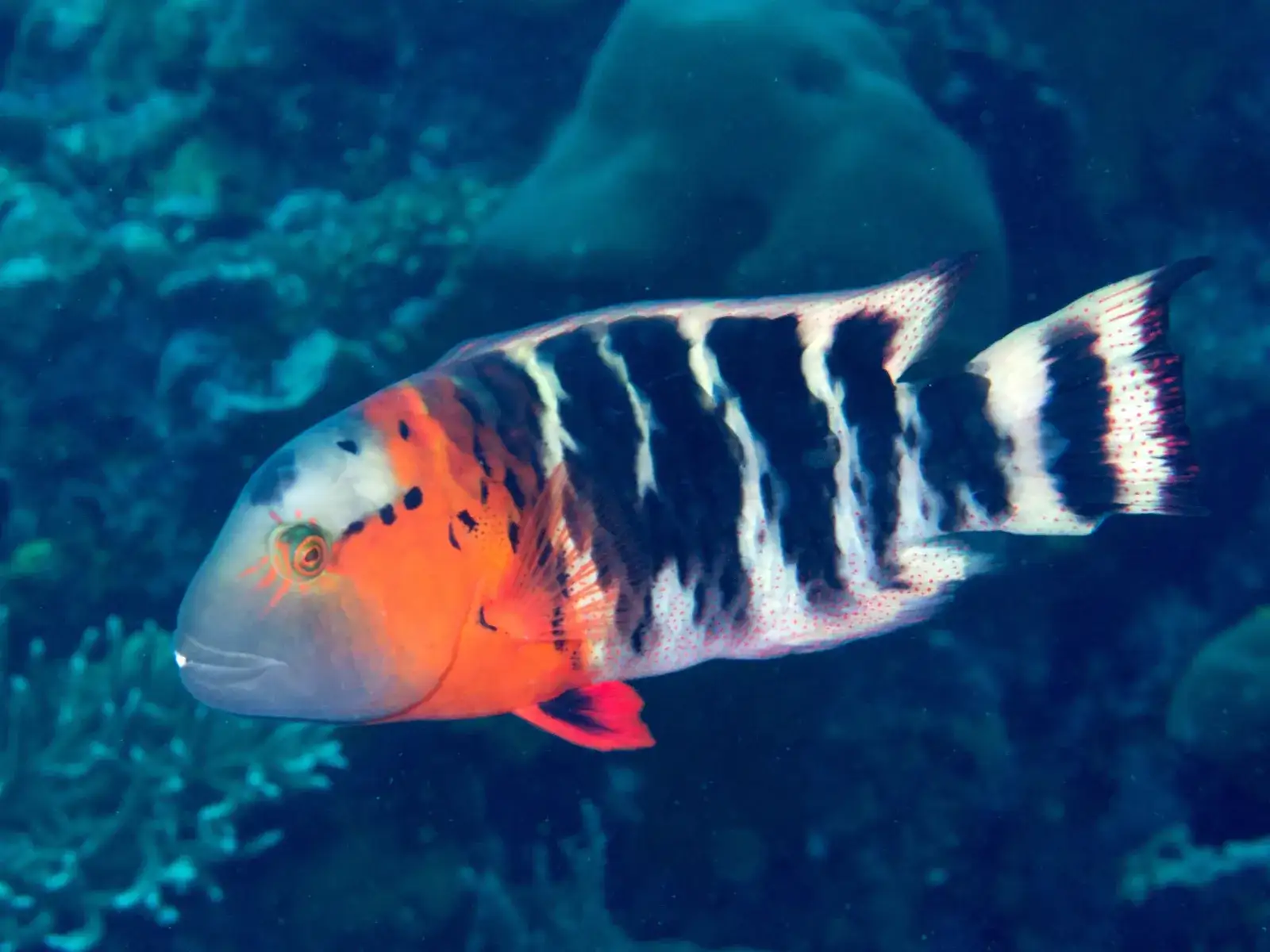 LC
Red-breasted wrasse
Cheilinus fasciatus
Least Concern
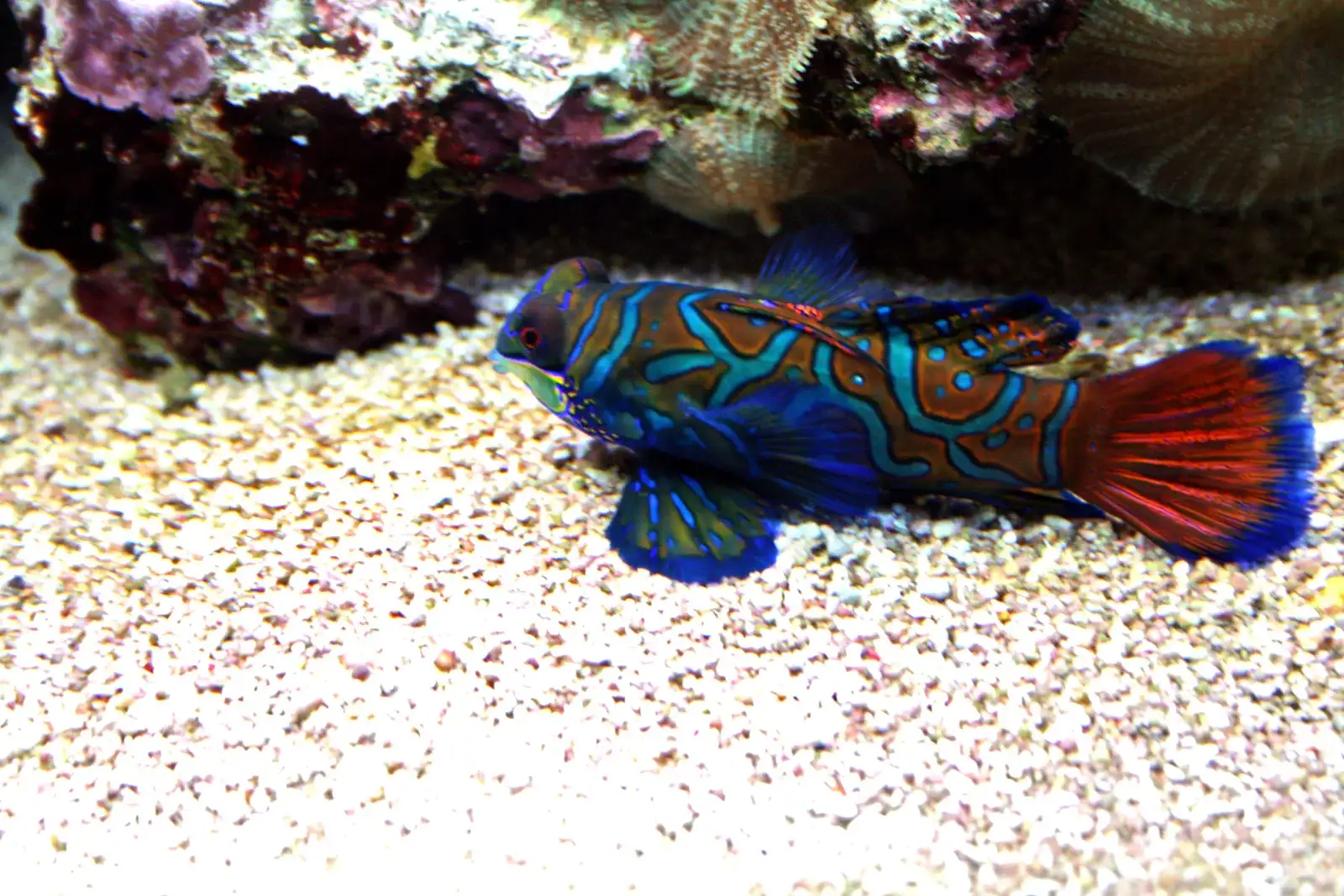 LC
Dragonets
Synchiropus sp.
Least Concern
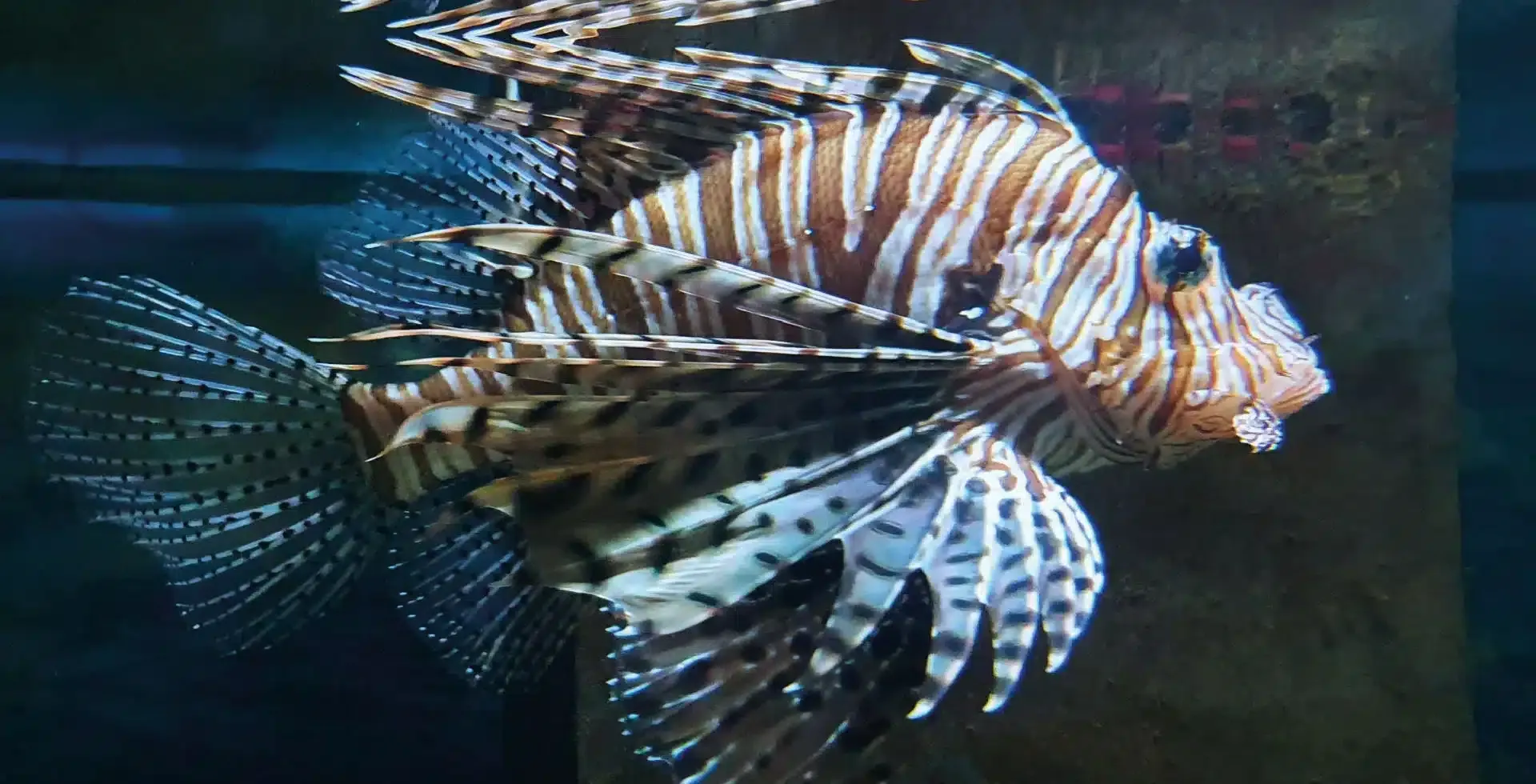
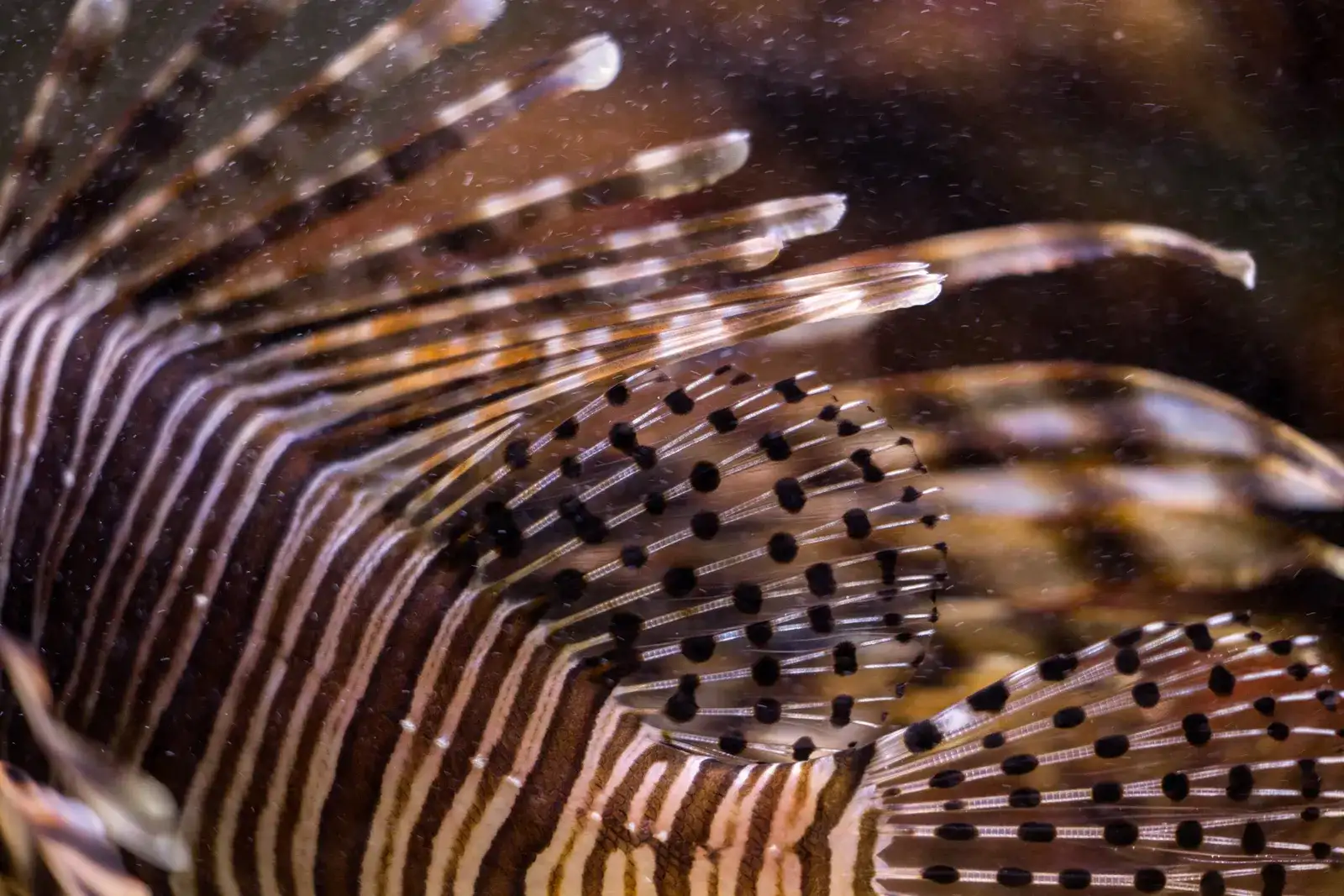
Venomous fish
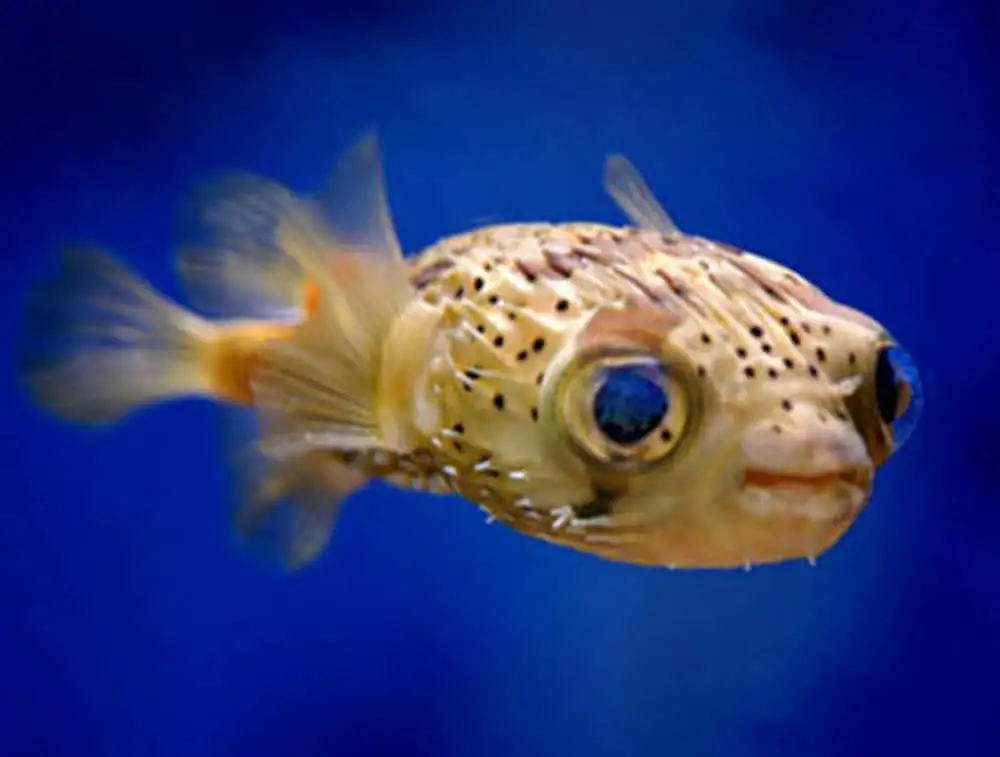
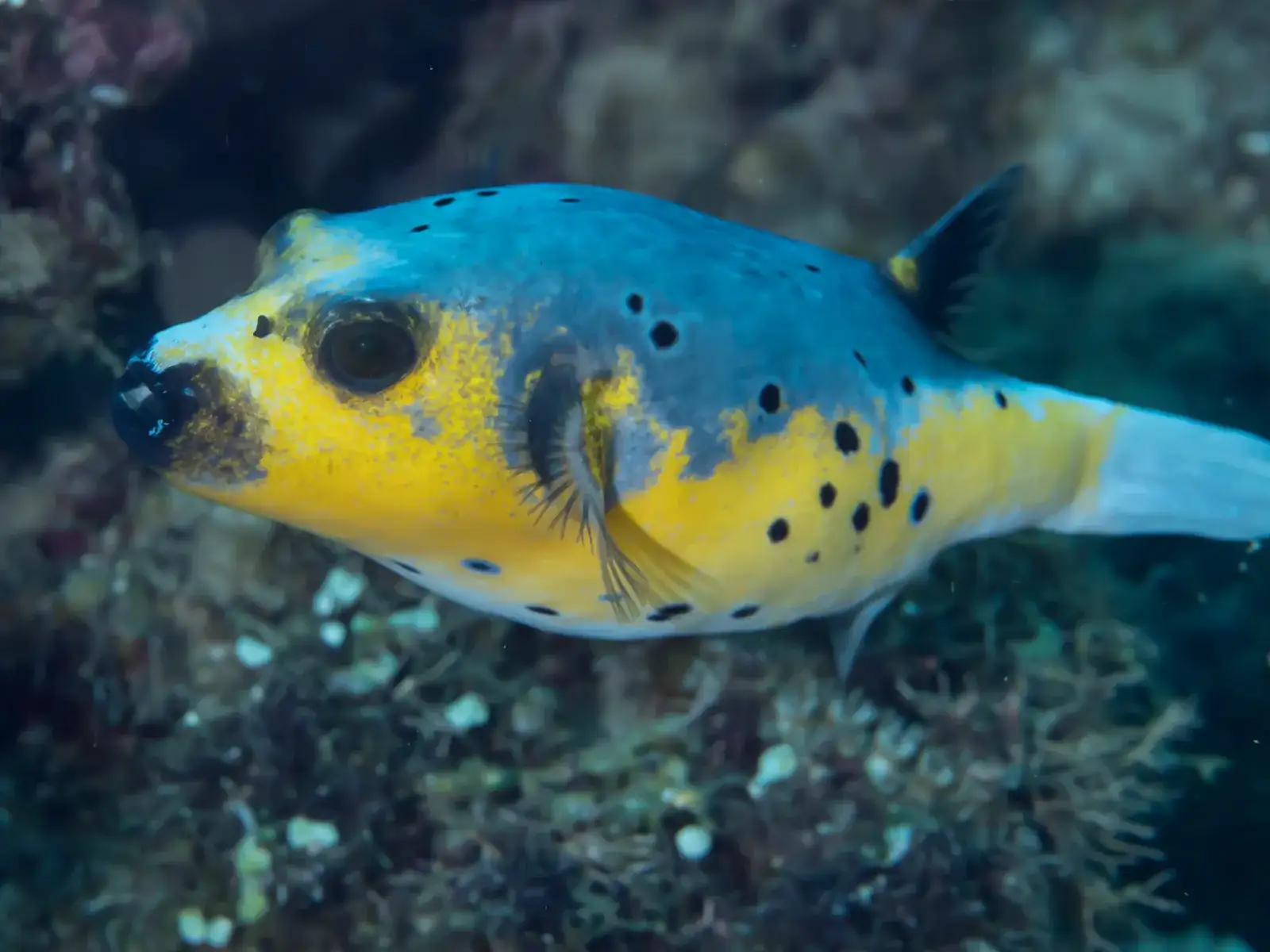
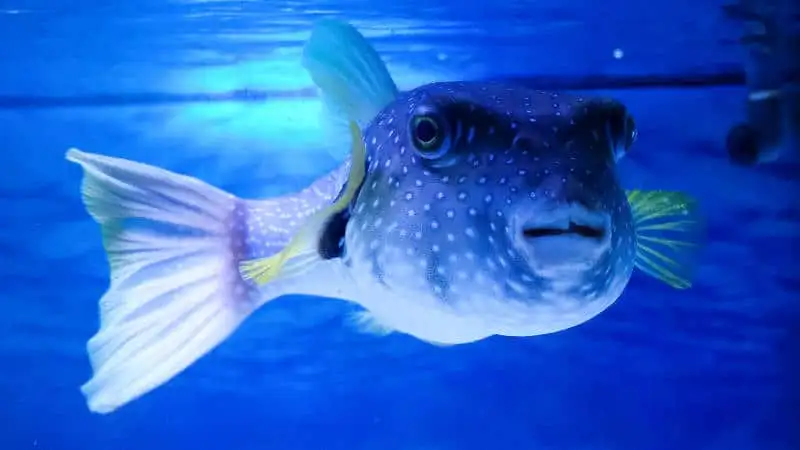
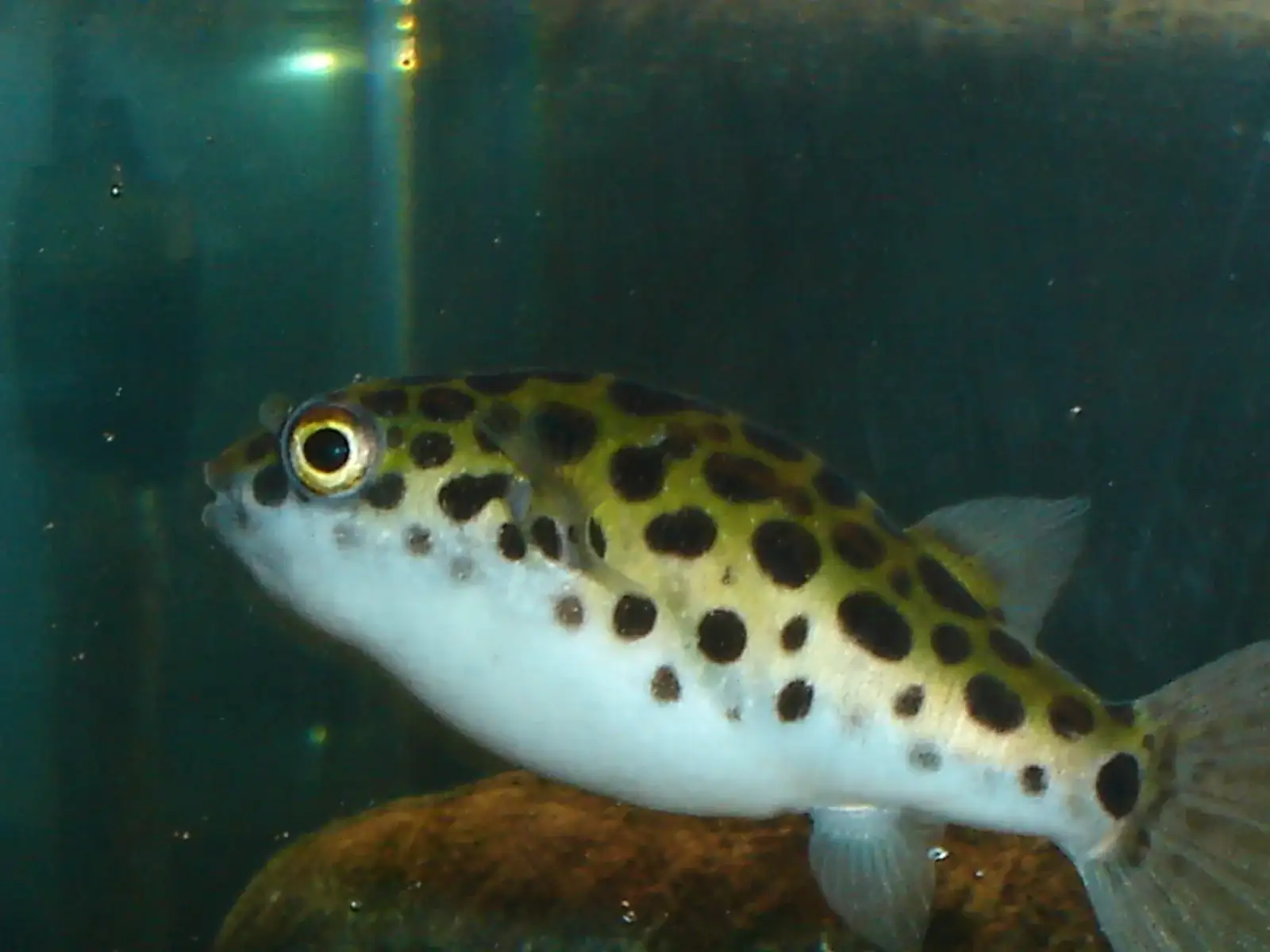
Diverse in color, shape, size, and danger, venomous fishes attract the curiosity of many, often enriched by more or less likely legends.
They usually have peculiar pointed structures connected to venom glands, capable of secreting distinct poisons based on the type and intensity of the effects they cause in their victims. Some fish can sting without causing particularly harmful consequences, while others are capable of proving deadly even to humans. In general, they are not only predators but, more importantly, prey. As is the case with many other animals, the use of venom is in fact an extreme attempt at defense, exploited to try to deter from attack any present and future threats.
Freshwater fish
They inhabit the first part of the path that water takes from the mountains to the sea, thus characterizing streams, rivers and lakes.
For this reason they are linked to human history from the very beginning, exploited as a source of food and more, thus becoming the protagonists of numerous folk legends. Just like saltwater fish, most of these animals are particularly delicate, requiring certain conditions to survive. As a result, the presence of some freshwater fish is exploited as an indicator of the health of an ecosystem.
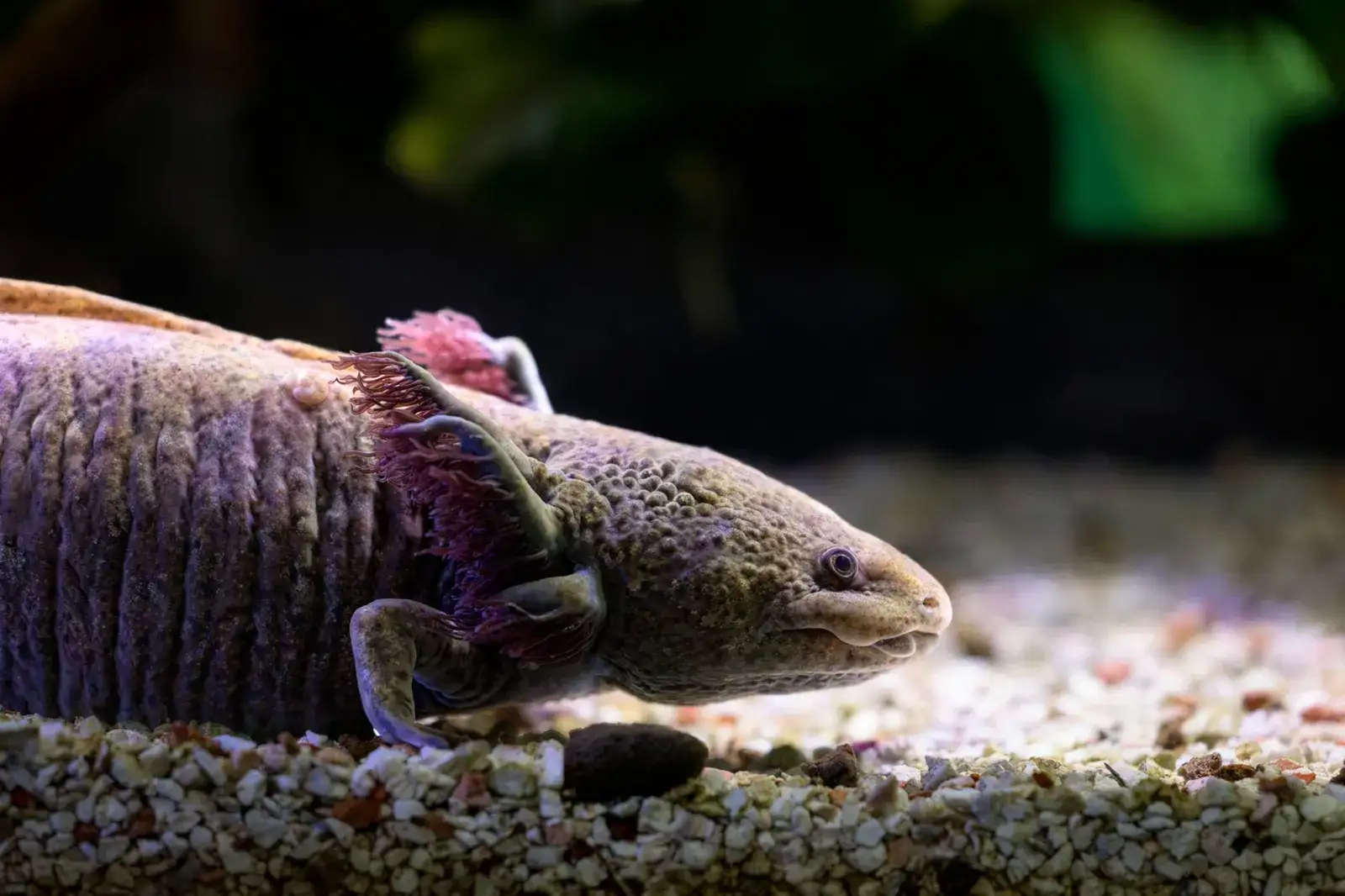 CR
Axolotl
Ambystoma mexicanum
Critically Endangered
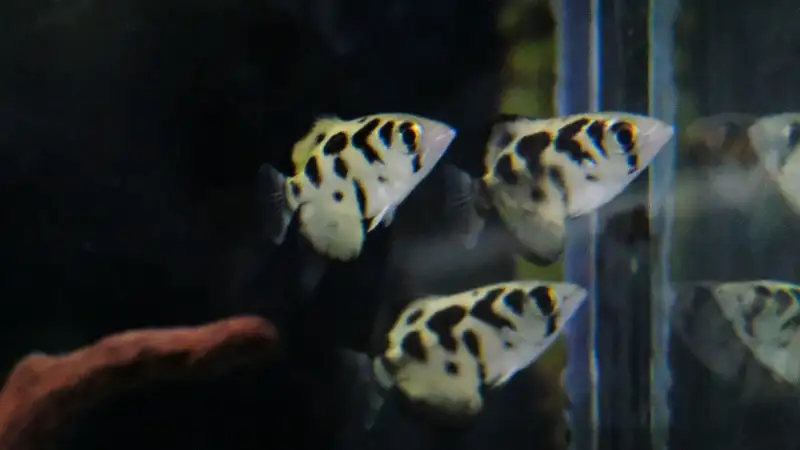 LC
Archerfish
Toxotes sp.
Least Concern
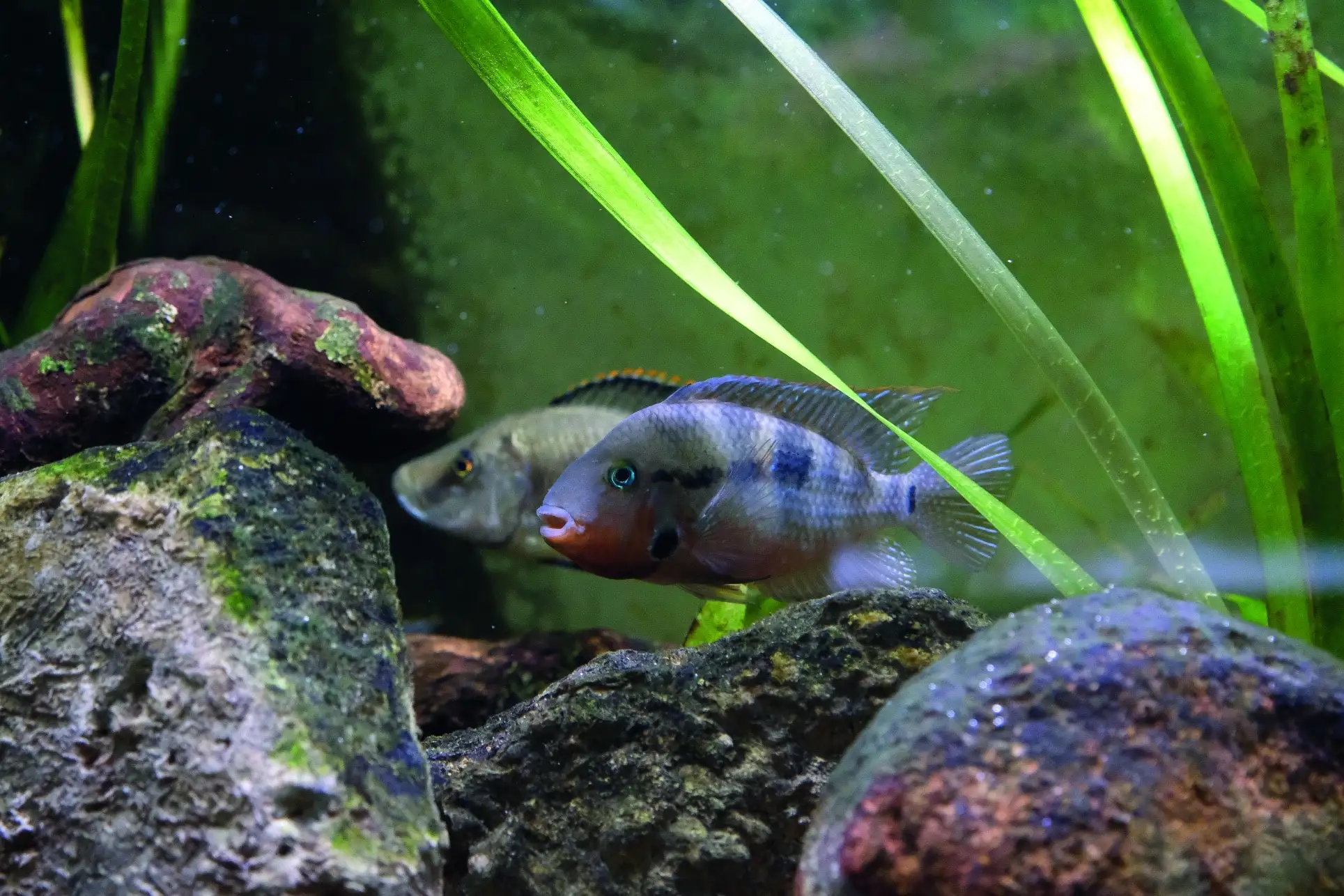 n/a
Cichlids
Not evaluated
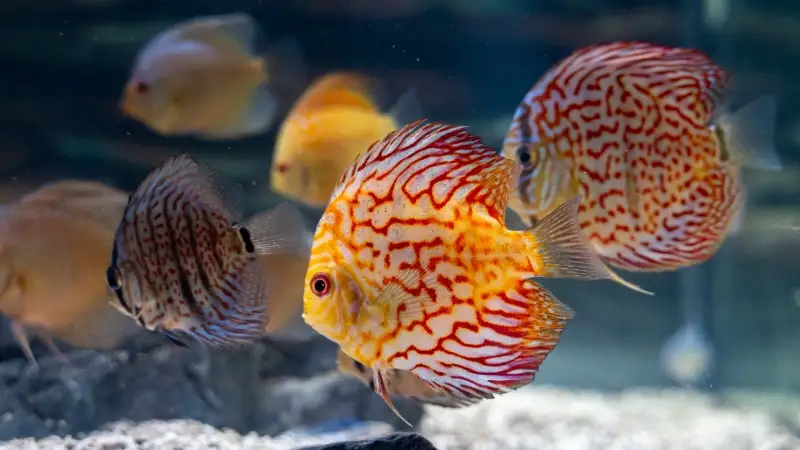 LC
Red discus
Symphysodon discus
Least Concern
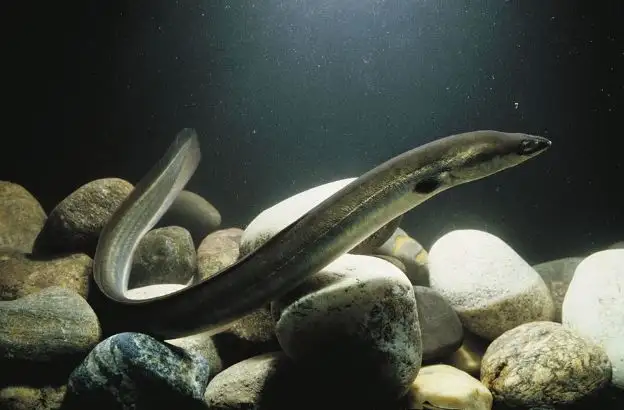 CR
European eel
Anguilla anguilla
Critically Endangered
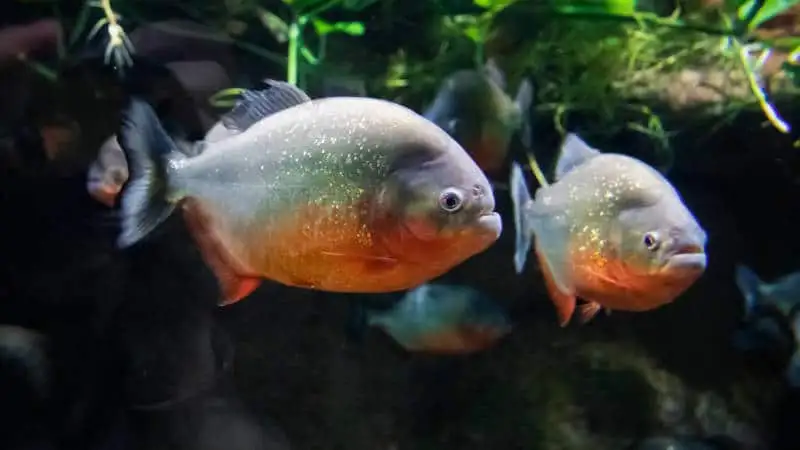 LC
Red-bellied piranha
Pygocentrus nattereri
Least Concern
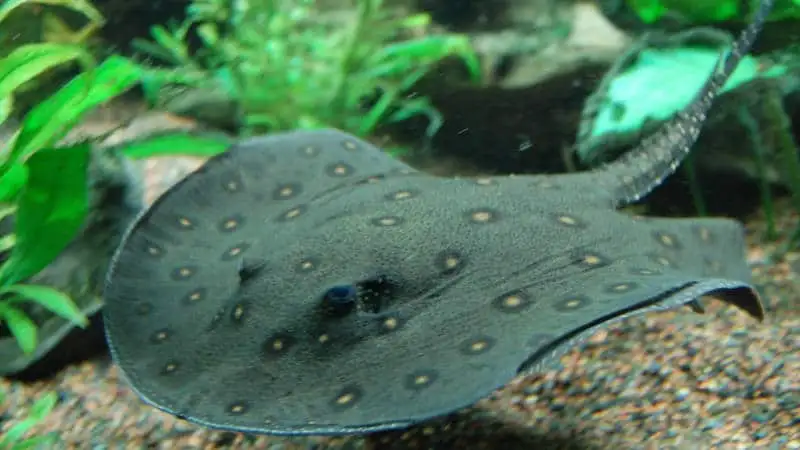 LC
Ocellate river stingray
Potamotrygon motoro
Least Concern
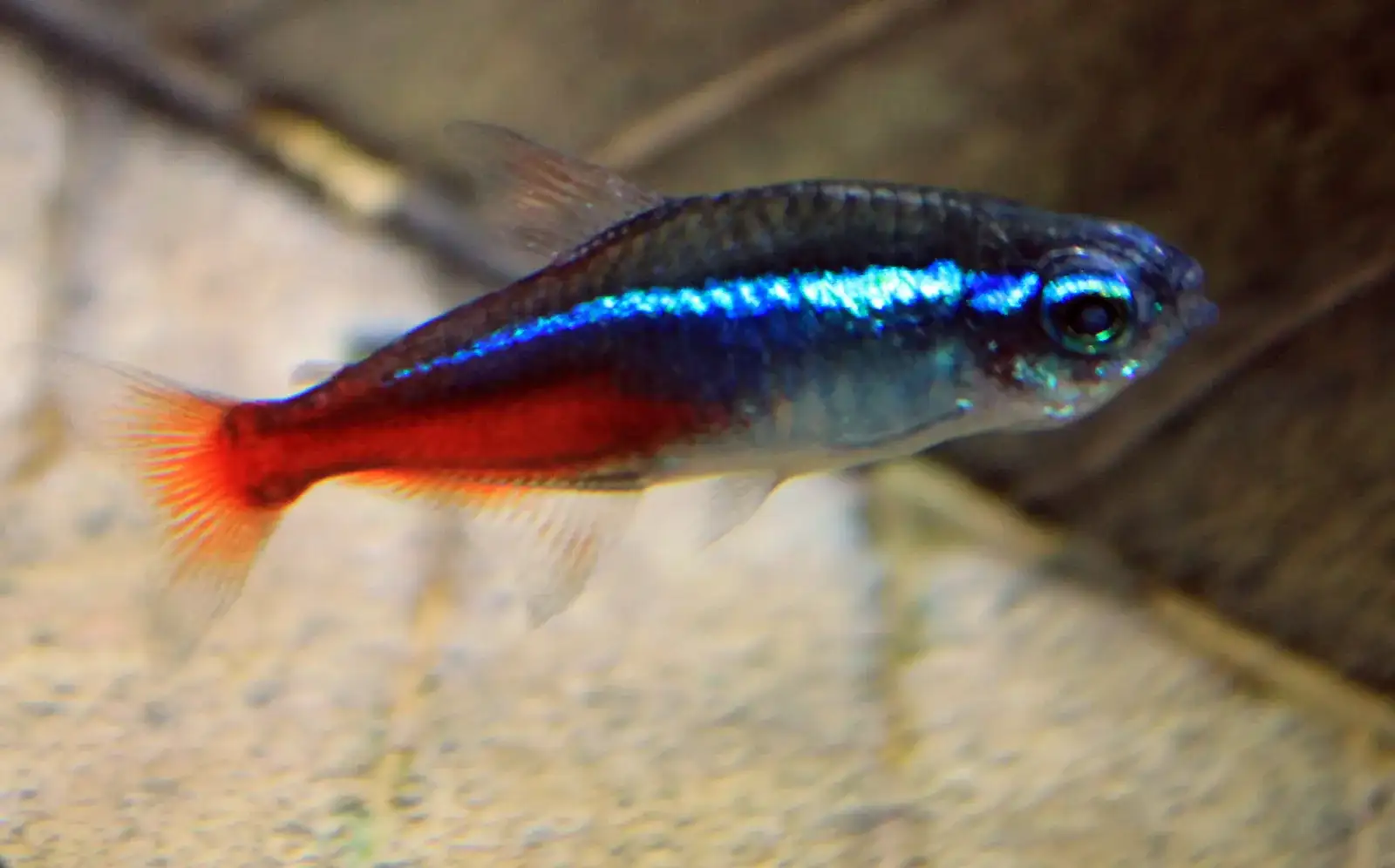 LC
Neon tetra
Paracheirodon innesi
Least Concern
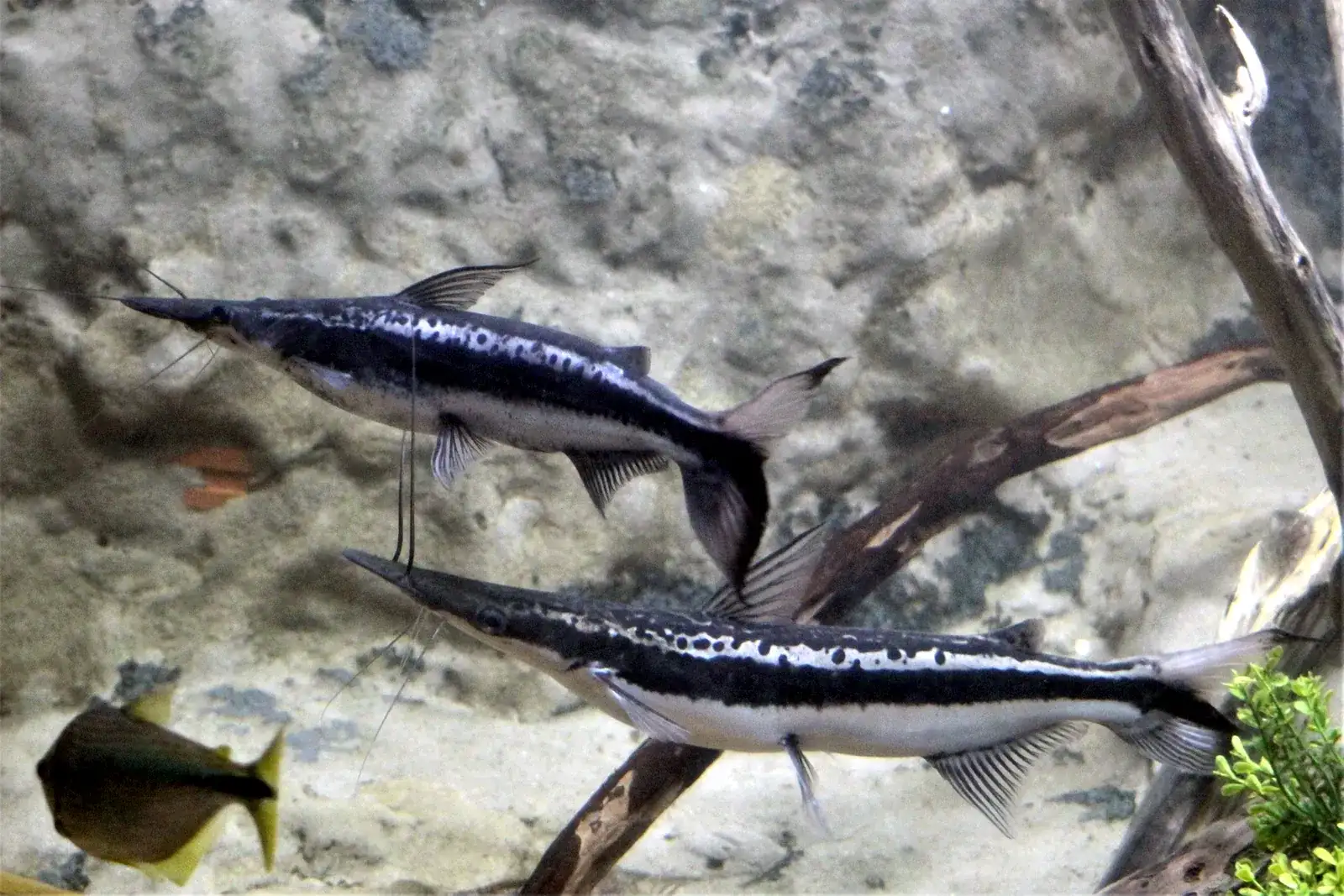 LC
Duckbill catfish
Sorubim lima
Least Concern