Sharks, morays and hunters
Predators
Eye to eye with the predators of the sea and the land. Teeth, silence and instinct, behind the glass.
Who lives in here.
18 species with a card, in 4 groups. Each one has its own card: scientific name, habitat, diet and conservation status.
IUCN Red List
How close a species is to disappearing.
The International Union for Conservation of Nature gives every species a step, from least concern to extinct. It is the scale you find on every card below: the more marks lit up, the more endangered the species.
-
LC
Least Concern
Widespread and abundant: not in danger for now.
-
NT
Near Threatened
Not yet at risk, but getting there.
-
VU
Vulnerable
At high risk of extinction in the wild.
-
EN
Endangered
Very high risk: the population is collapsing.
-
CR
Critically Endangered
The last step before disappearing from the wild.
Sharks
Selachimorpha is a superorder of predatory, strong-jawed, medium-to-large cartilaginous fishes, whose members are commonly known as sharks.
This grouping includes more than 500 species, for which respiration occurs through the use of gill slits, generally ranging in number from five to seven. A distinctive feature of sharks' bodies is that they are covered with dermal denticles, which not only improve their hydrodynamics but also protect their skin from parasites. These fish are also equipped with reserve teeth, which step in to replace lost or damaged ones. All sharks are carnivores, but while most feed on fish and other marine animals, larger specimens on the other hand (e.g., whale shark) feed mainly on plankton. As a result of even unprovoked attacks on humans by some species in particular, sharks have gained a reputation, only partly justified, as killer animals. Partly because of this, as well as the fact that their meat is considered prized in many Asian states, several varieties of shark are currently subjected to intensive fishing that puts them in serious danger of extinction.
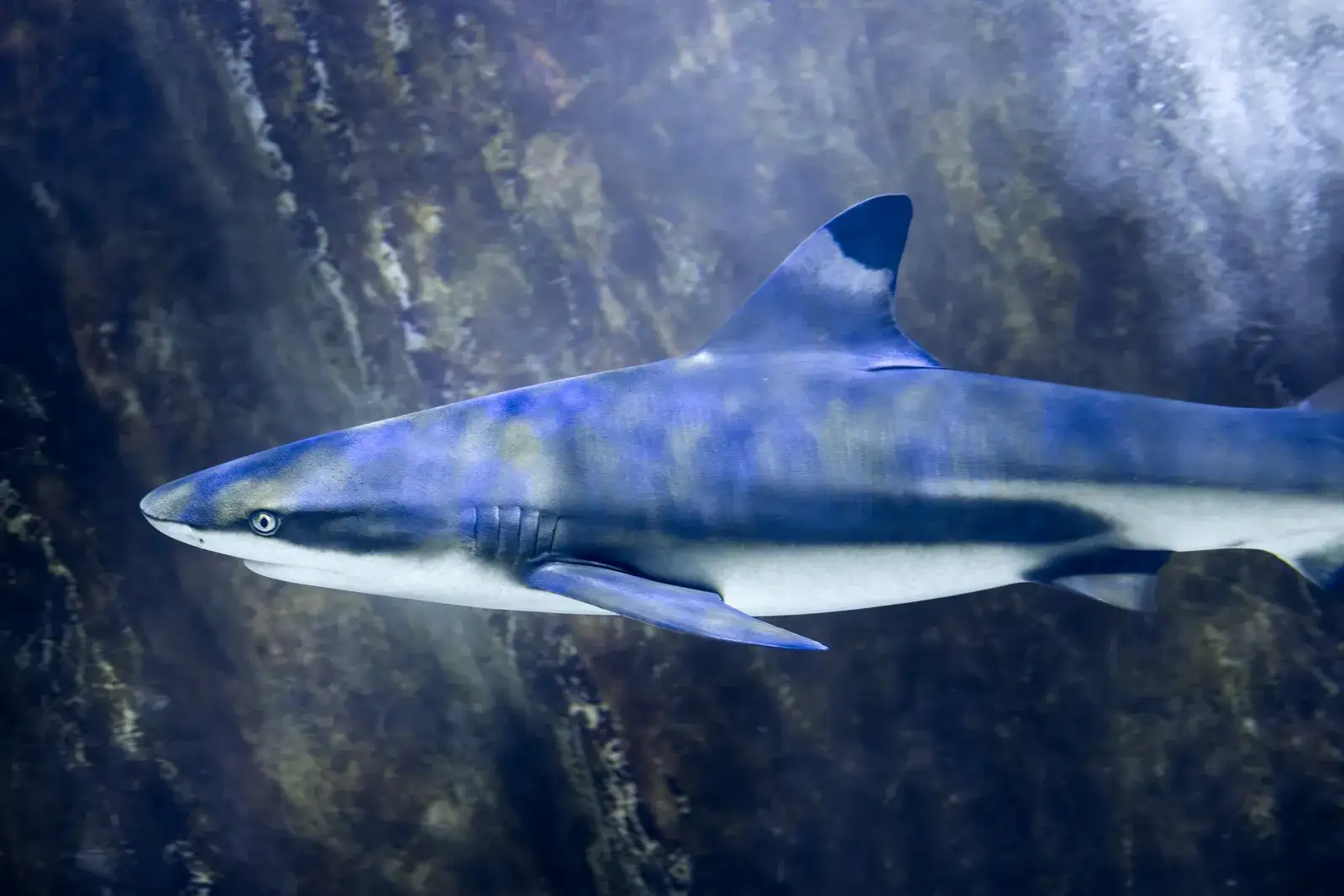 VU
Blacktip reef shark
Carcharhinus melanopterus
Vulnerable
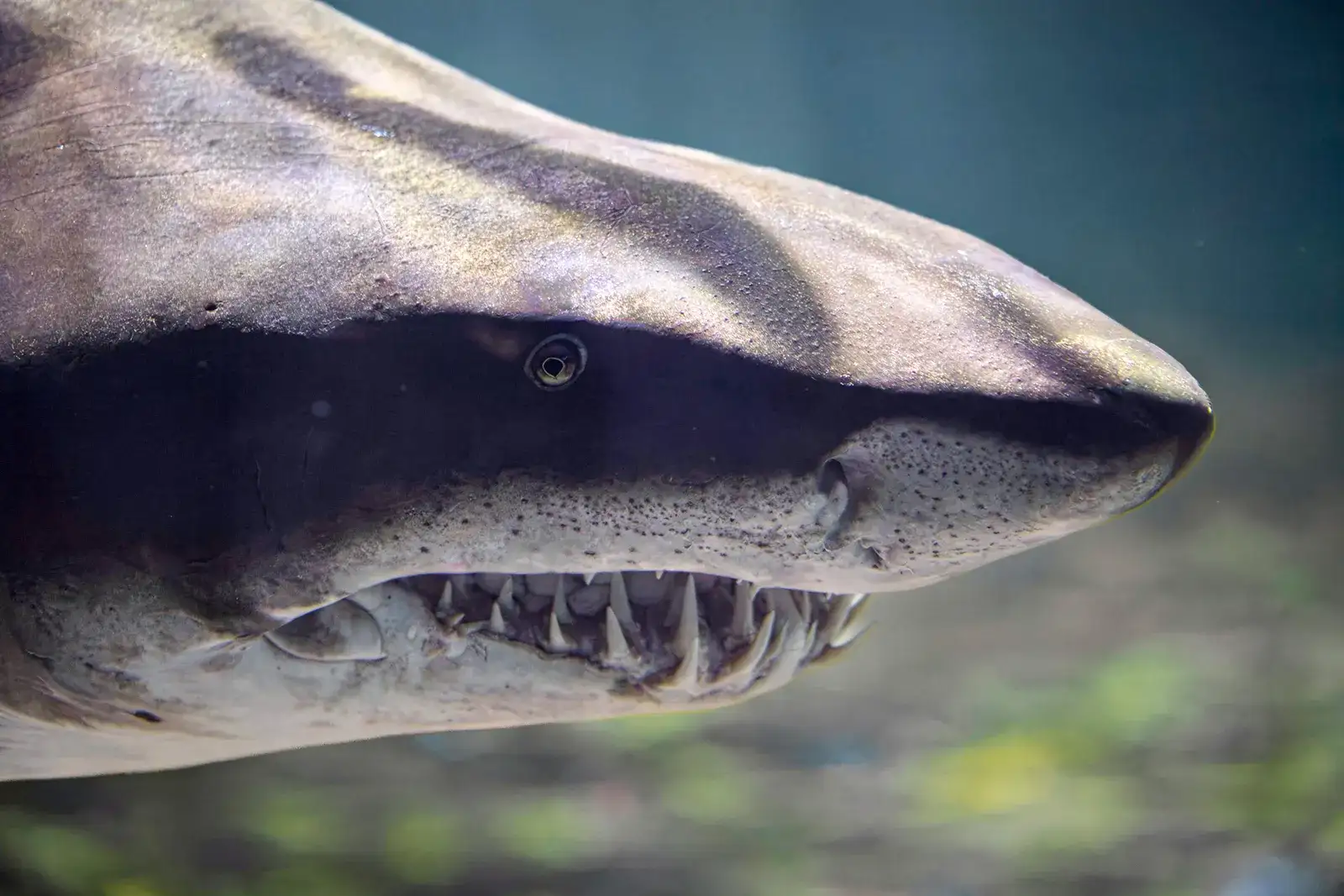 CR
Sand tiger shark
Carcharias taurus
Critically Endangered
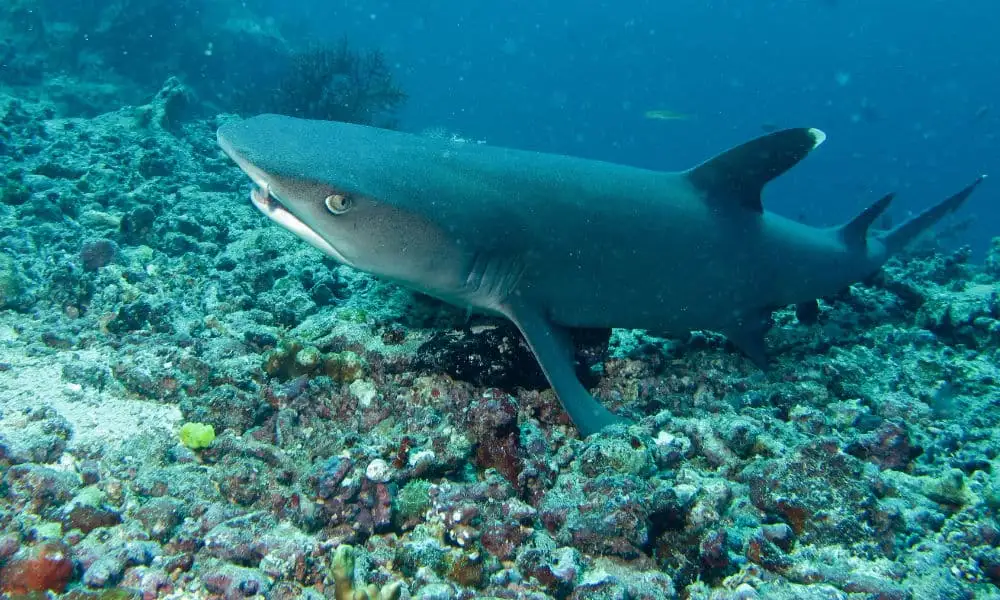 VU
Whitetip reef shark
Triaenodon obesus
Vulnerable
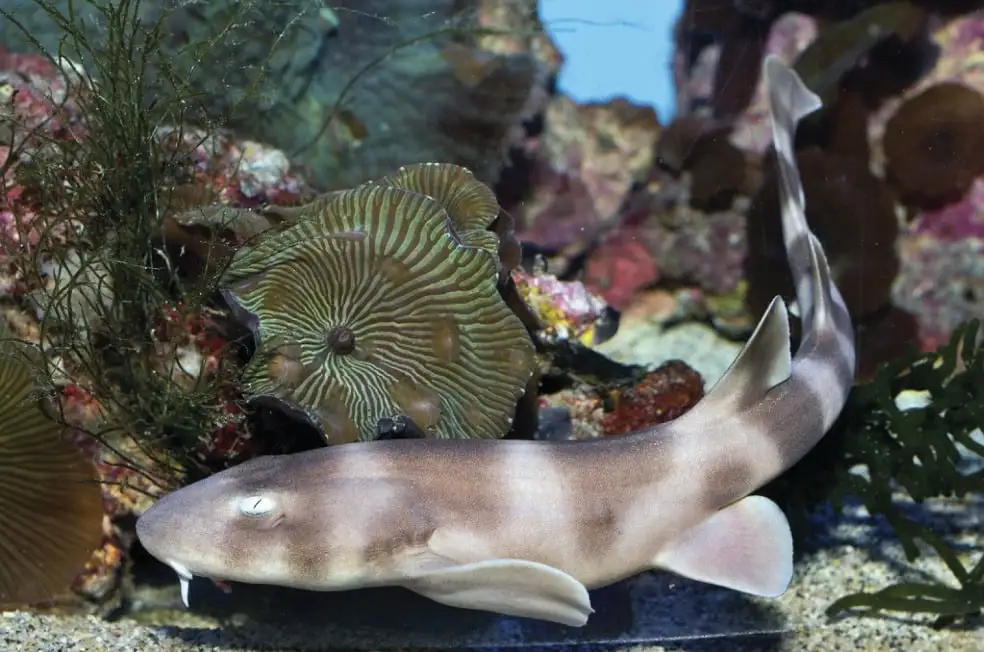 NT
Brownbanded bamboo shark
Chiloscyllium punctatum
Near Threatened
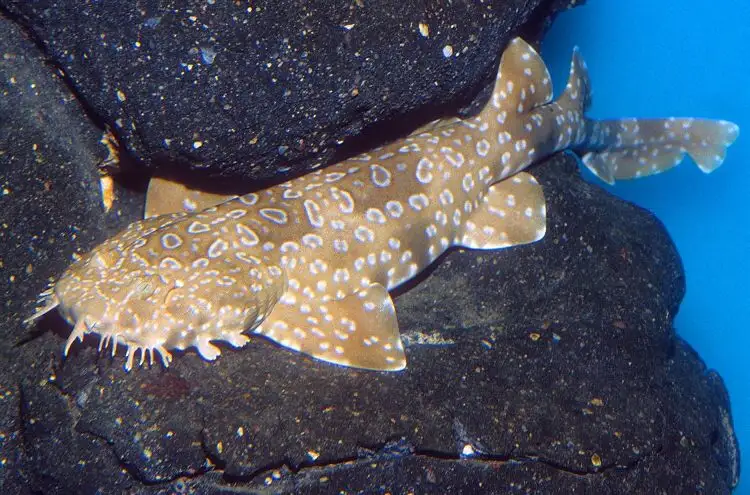 LC
Spotted wobbegong
Orectolobus maculatus
Least Concern
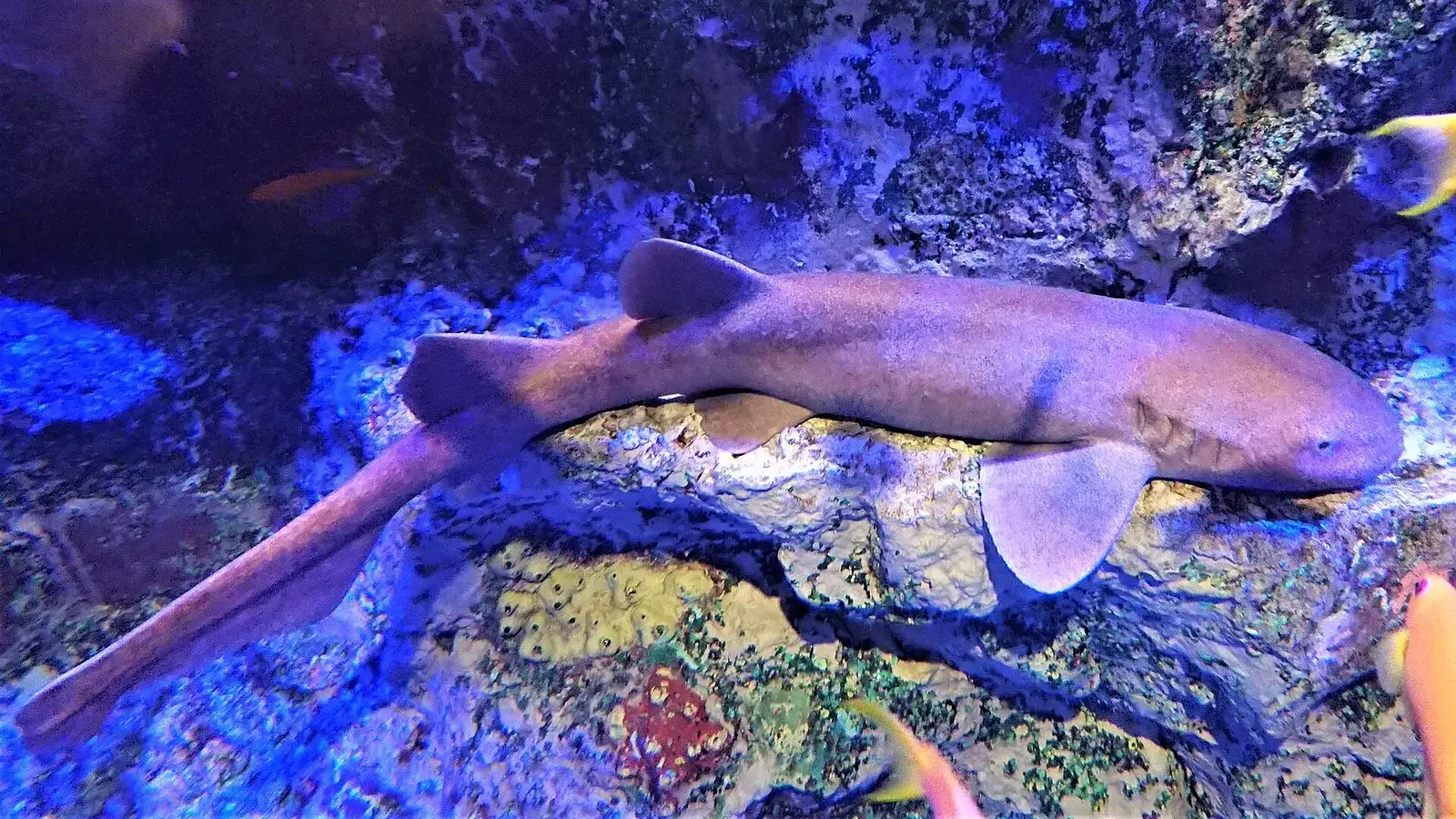 CR
Short-tail nurse shark
Pseudoginglymostoma brevicaudatum
Critically Endangered
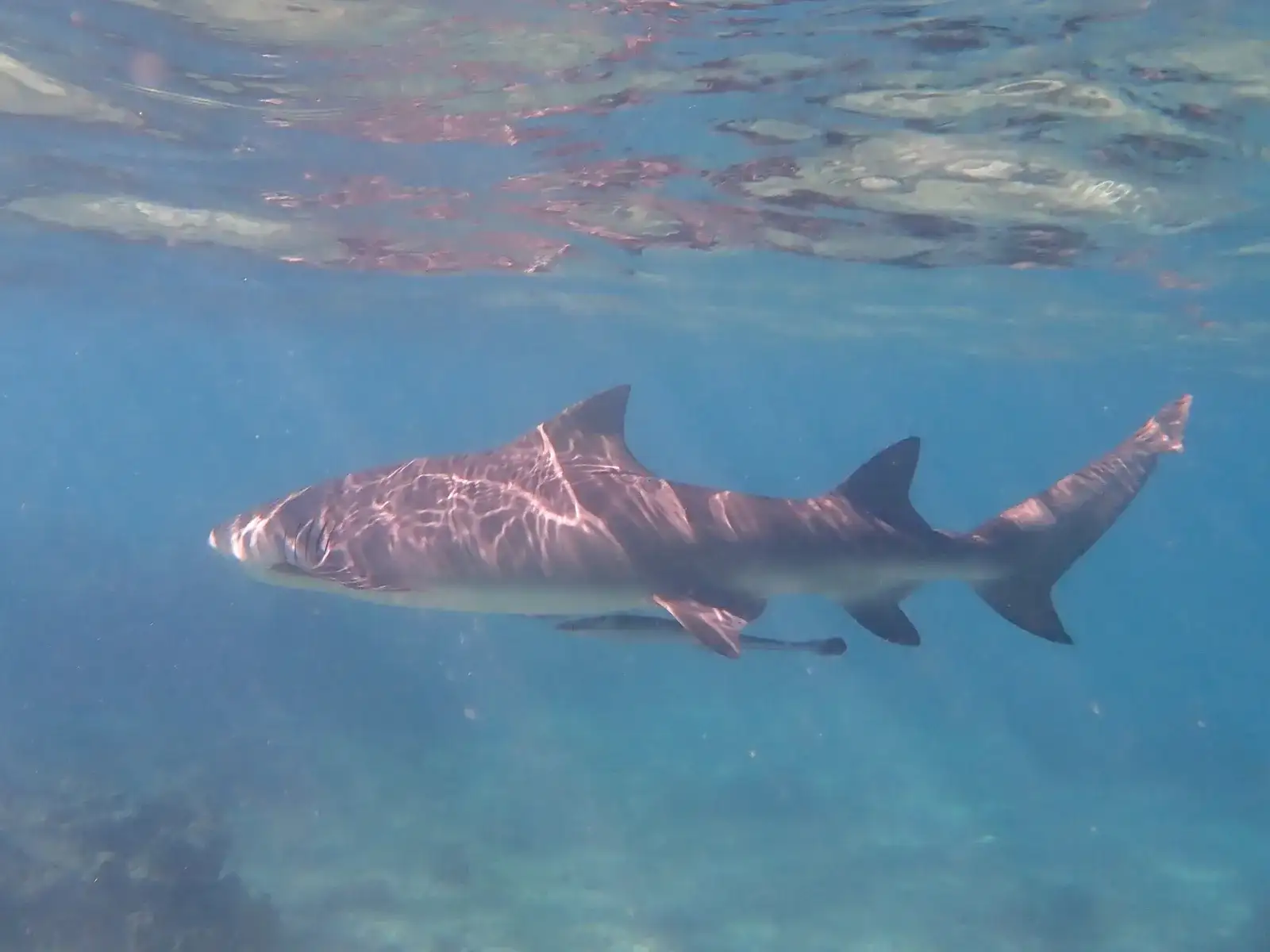 EN
Sicklefin lemon shark
Negaprion acutidens
Endangered
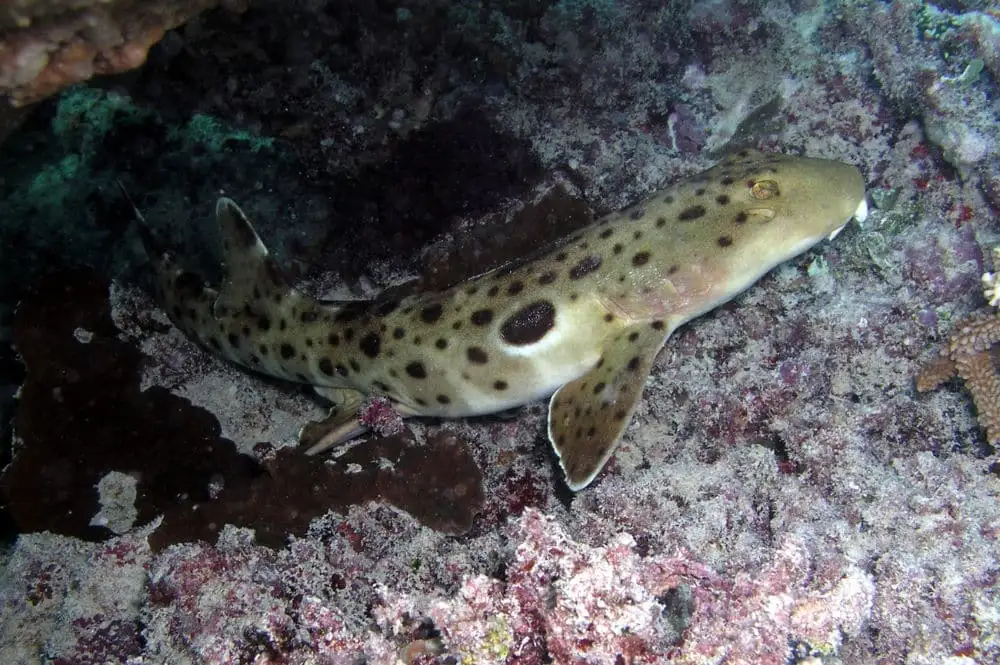 LC
Epaulette shark
Hemiscyllium ocellatum
Least Concern
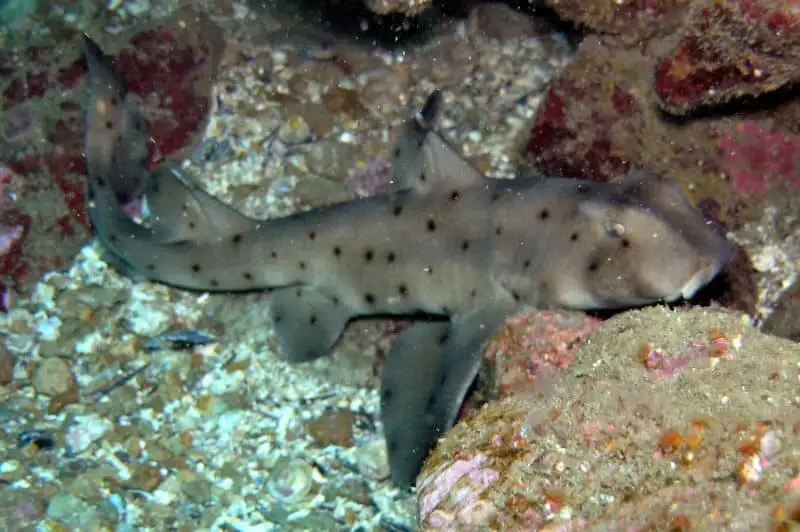 LC
Horn shark
Heterodontus francisci
Least Concern
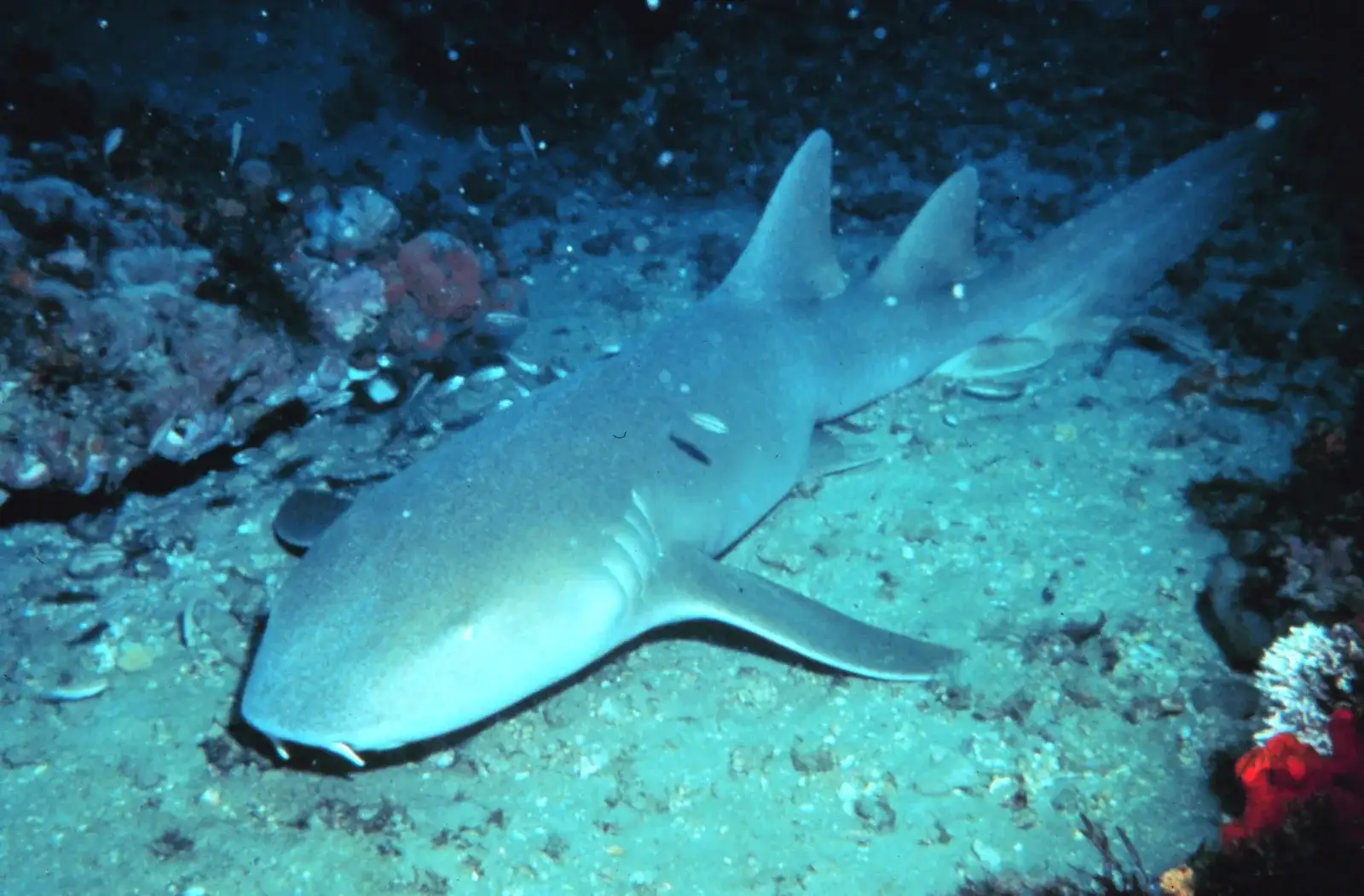 VU
Nurse shark
Ginglymostoma cirratum
Vulnerable
Crocodiles
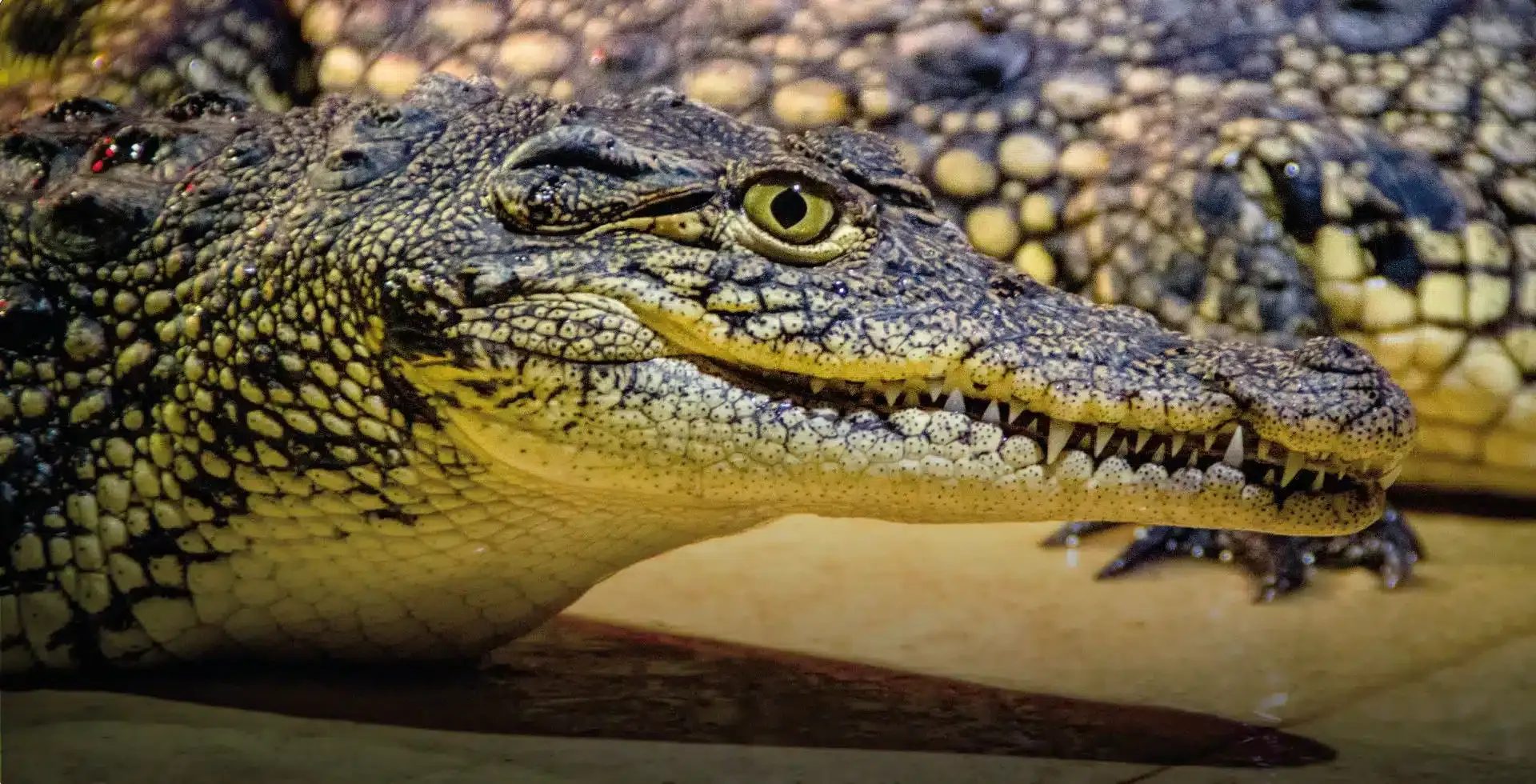
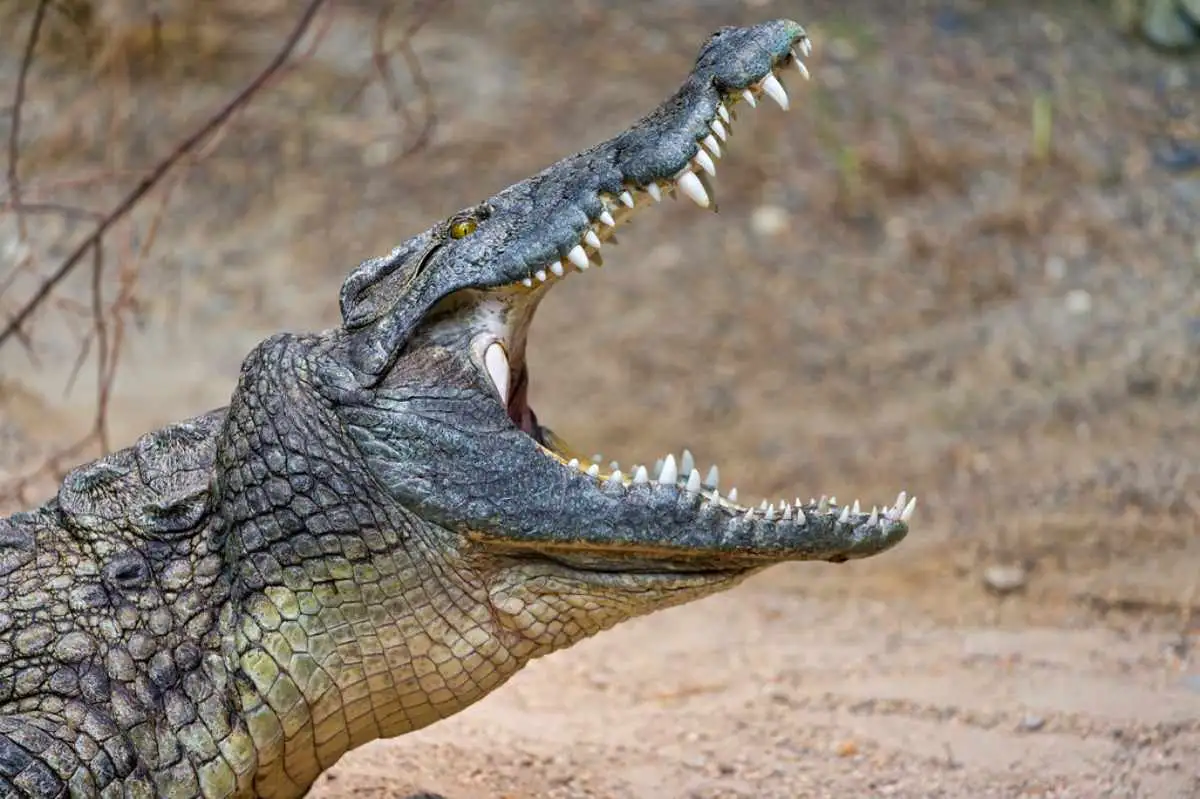
The Nile crocodile (Crocodylus niloticus) is a large aquatic reptile, widespread in Africa along the river for which it is named and poses a deadly danger to animals living in its own environment.
It possesses strong legs equipped with claws with which it climbs riverbanks with agility. Its large nostrils, located on the top of its snout and protected by a thick layer of skin, allow the crocodile to breathe even when the rest of its body is underwater. Its teeth are strong allowing it to tear large shreds of flesh from its prey; they grow continuously and are replaced by new ones all the time, but interestingly the crocodile cannot chew! The eyes are located at the top of the head to enable the animal to detect and survey prey when submerged. The tail has a dual function: excellent as a rudder, it is formidable as a weapon, strong enough to fracture the limb of a deer. The length of these animals can reach 6 meters and more, and their weight can, in adulthood or advanced age, range from 900 to 1,000 kg.
Alligators
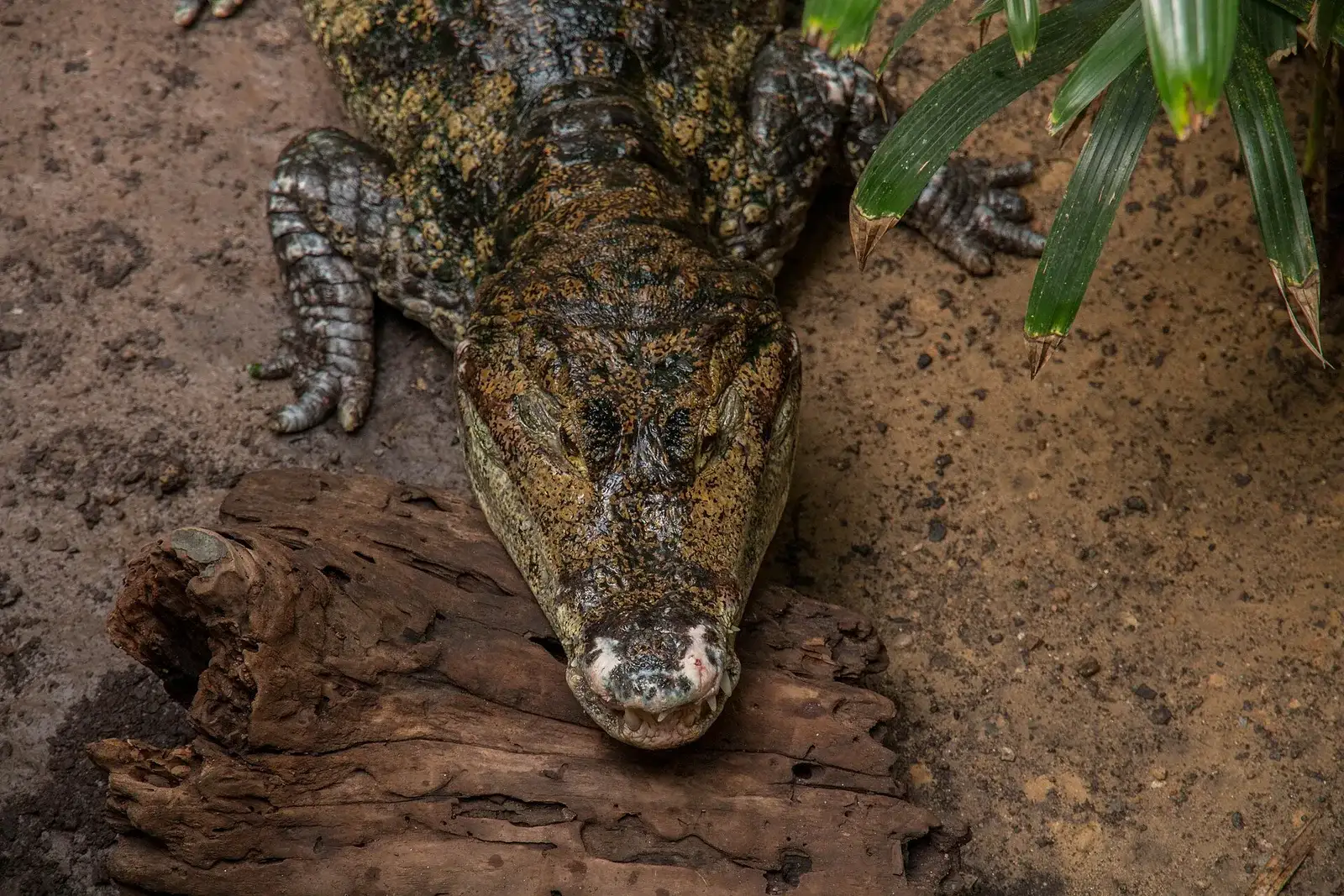
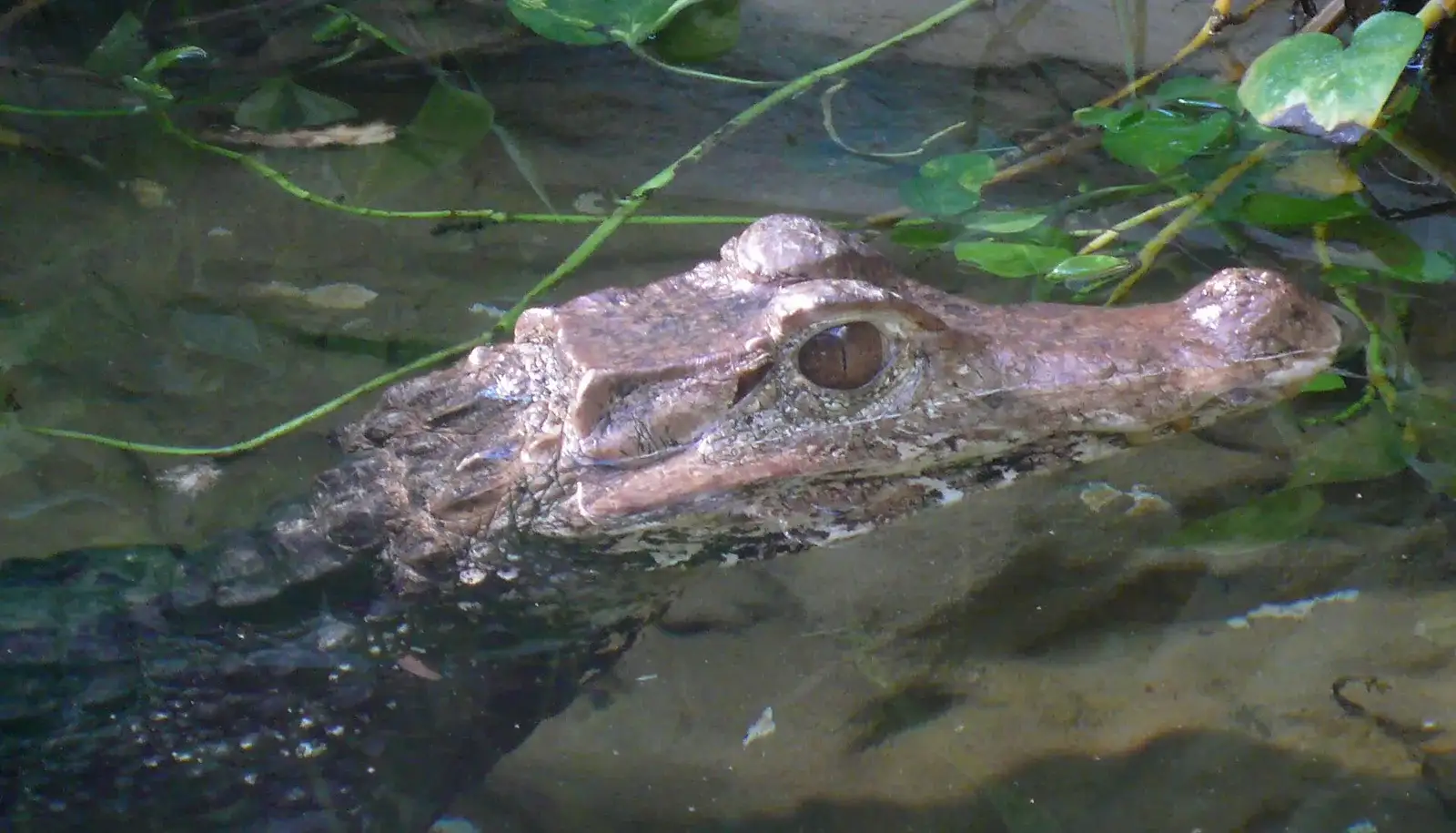
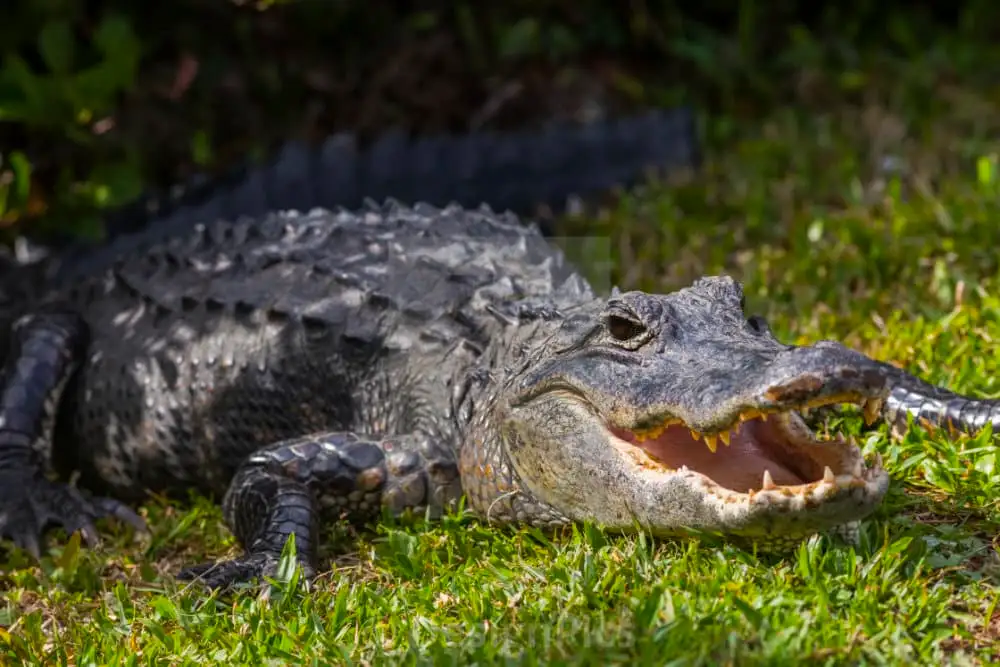
Alligatorids (Alligatoridae) are a family of reptiles belonging to the order Crocodylia, currently represented by several species living in the Americas and one present in China.
Alligators differ from crocodiles mainly in the morphology of the head, which is wider and shorter, with a more obtuse snout; other features relate to the legs, which are less webbed than in crocodiles, and a particular intolerance to salinity: in fact, crocodiles can better tolerate seawater due to the presence of specialized glands for salt filtration. Alligators evolved toward the end of the Mesozoic, and some primitive forms are found in Upper Cretaceous strata (about 70 million years ago) in Europe. On this continent they disappeared only in the Pliocene (about 5 million years ago). Even in North America they were already widespread toward the end of the Cretaceous and gave rise to a multitude of forms of various sizes. During the Cenozoic, alligators reached South America where they developed into giant species that later became extinct.
Other predators
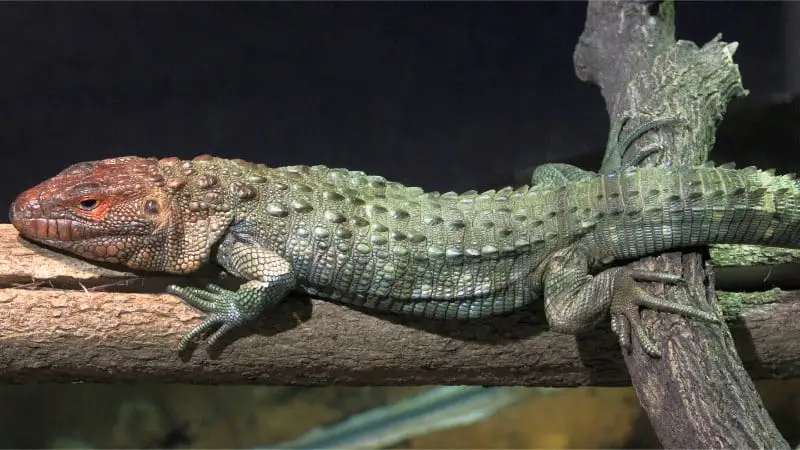
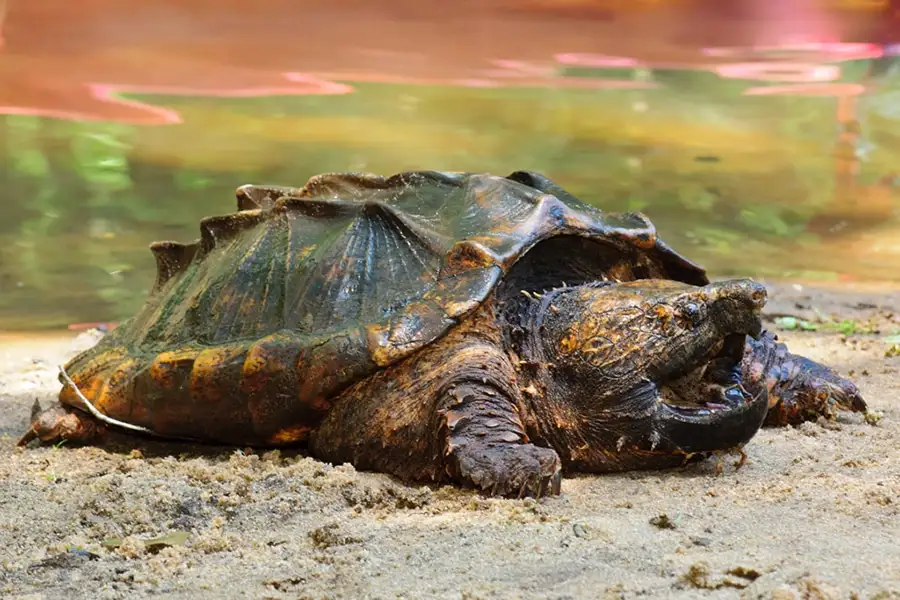
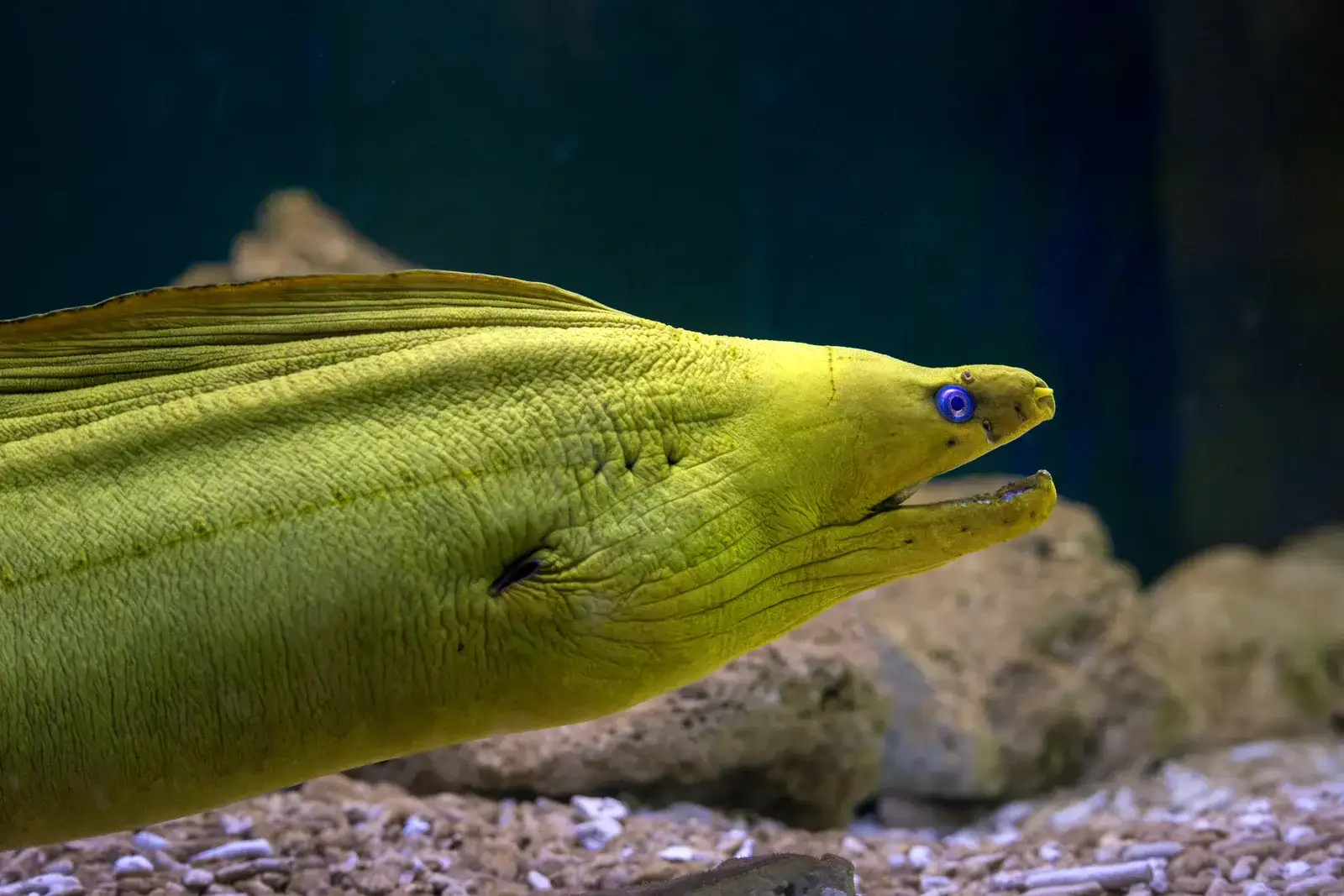
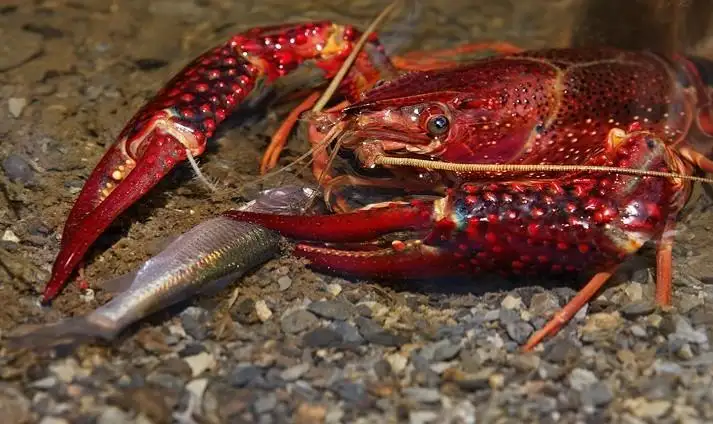
It is not only size that makes an animal a perfect predator: even organisms smaller than sharks and crocodiles can be skilled and effective prey hunters.
Despite the struggle for survival, however, you can observe how prey and predators also manage to share the same habitat: small fish and crustaceans coexist with the most fearsome predators, sometimes even proving to be a help to them.