
Reptiles, amphibians and arachnids
Tropicarium
The rainforest comes into the park: iguanas, boas, chameleons and tarantulas amid humid heat and dense vegetation.
Who lives in here.
89 species with a card, in 8 groups. Each one has its own card: scientific name, habitat, diet and conservation status.
IUCN Red List
How close a species is to disappearing.
The International Union for Conservation of Nature gives every species a step, from least concern to extinct. It is the scale you find on every card below: the more marks lit up, the more endangered the species.
-
LC
Least Concern
Widespread and abundant: not in danger for now.
-
NT
Near Threatened
Not yet at risk, but getting there.
-
VU
Vulnerable
At high risk of extinction in the wild.
-
EN
Endangered
Very high risk: the population is collapsing.
-
CR
Critically Endangered
The last step before disappearing from the wild.
Some species have no step: never assessed by the Red List. It does not mean they are doing well: it means nobody knows how many are left.
Penguins
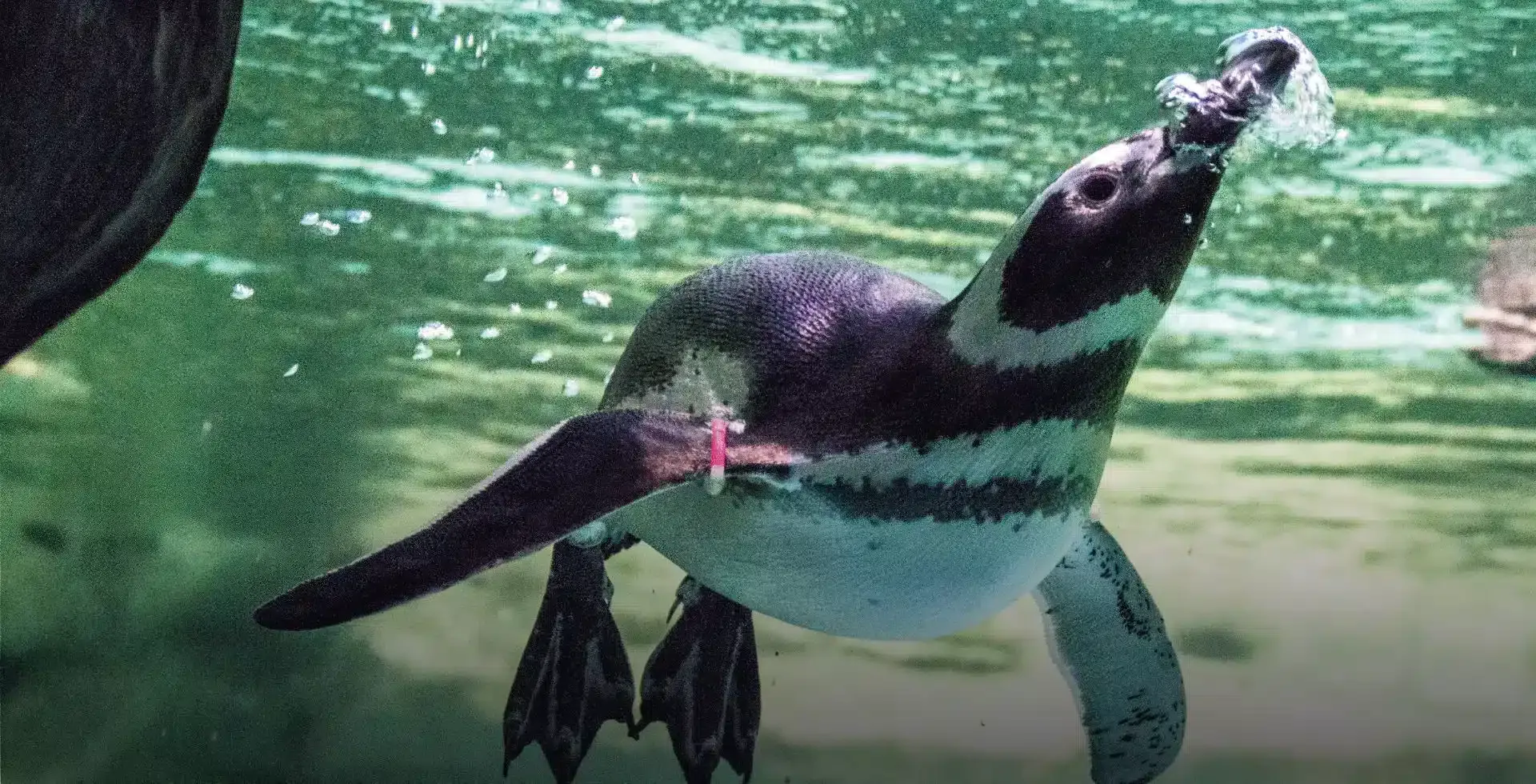
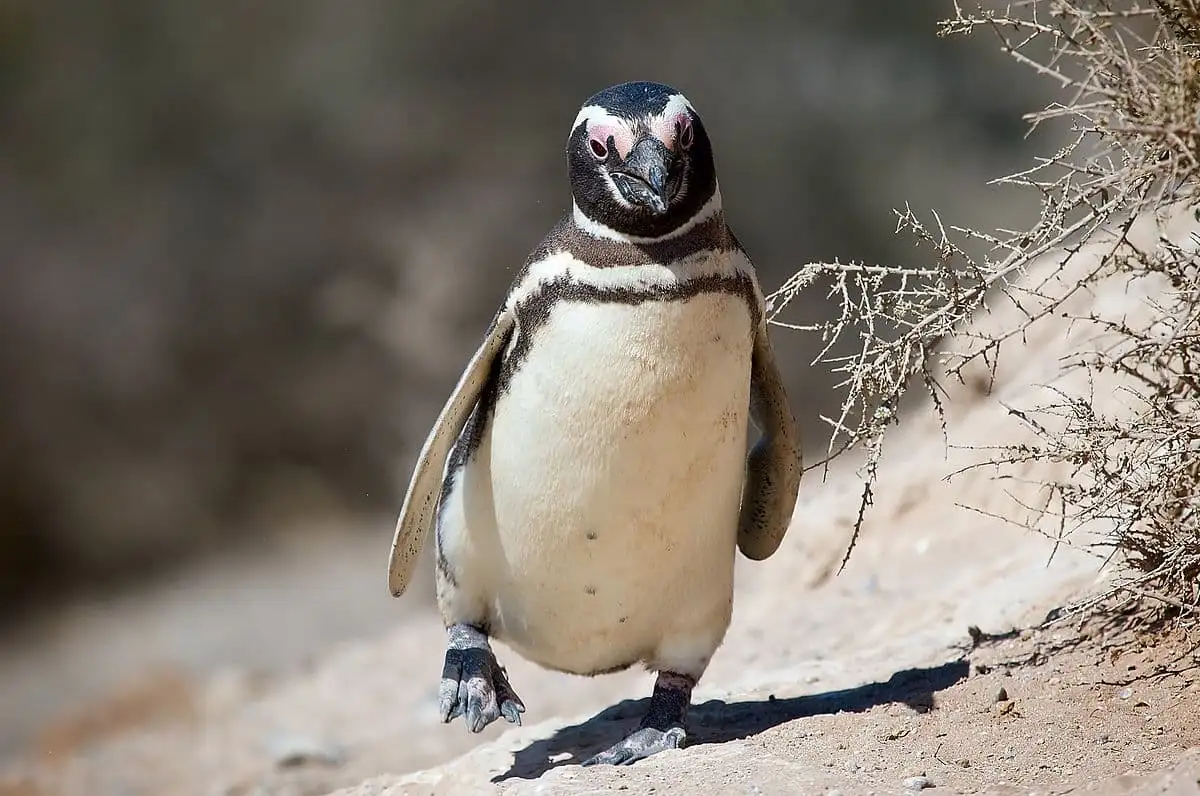
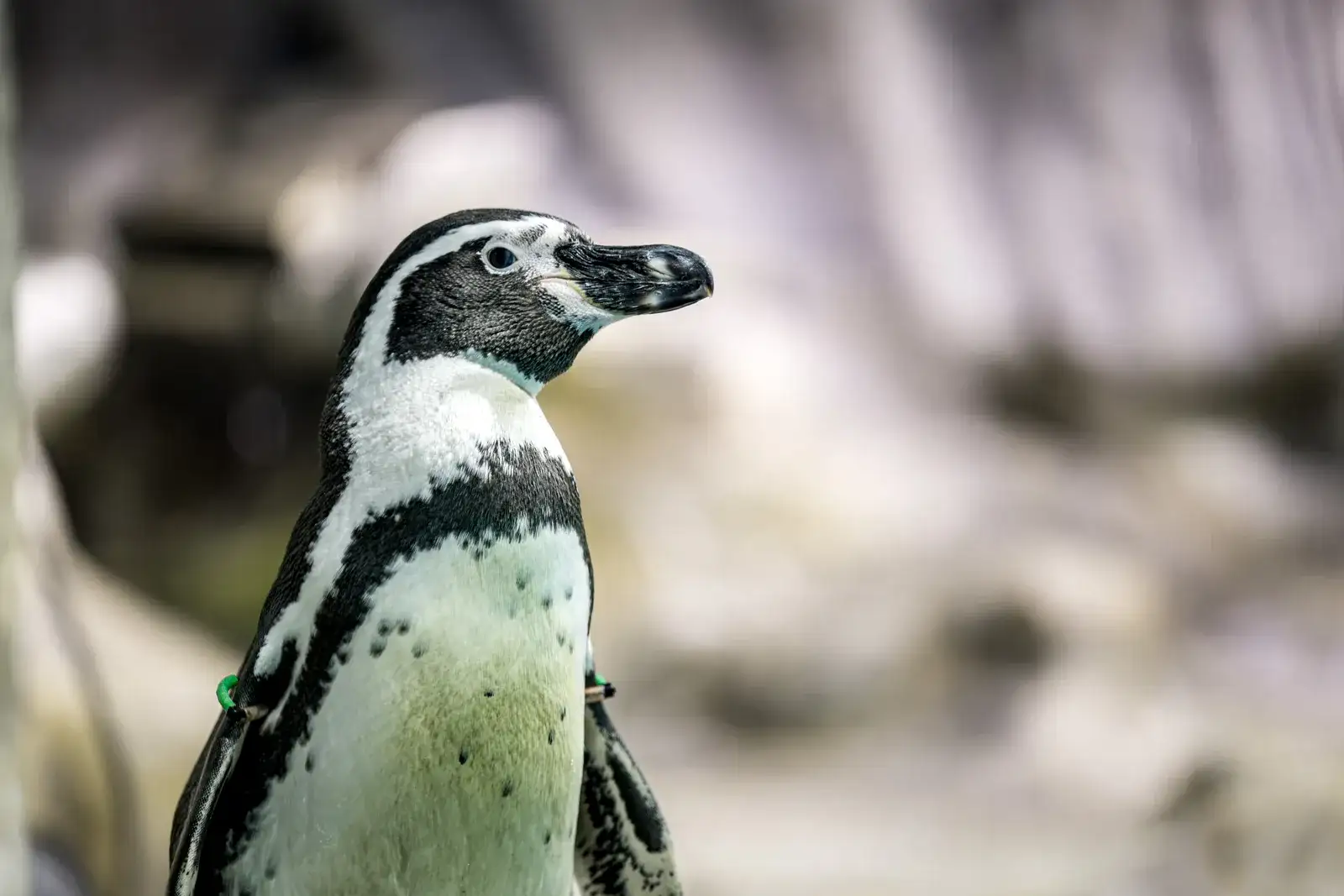
The curious evolutionary adaptations that have made these animals completely unsuited to flight, yet highly skilled at swimming, make Penguins one of the most remarkable groups of birds in the world.
Although they live almost exclusively in the southern hemisphere, several nesting and migratory species are found on the South American continent, among them the Magellanic Penguin and the Humboldt Penguin. Both are medium-sized species, standing just over half a metre tall, weighing between 3.5 and 6 kg and with the characteristic black and white coloration. Their wings have evolved into stiff, streamlined flippers that give them extraordinary agility underwater when hunting fish, and their dense plumage insulates them from the cold ocean waters. Like most penguins, they are monogamous and highly social: they form large breeding colonies on beaches and cliffs, where pairs reunite year after year to raise their young. At the end of the breeding season, while the Humboldt Penguin population stays put along the cold ocean currents of Chile and Peru, the Magellanic Penguin sets off on long migrations northwards, travelling up the Atlantic coast as far as southern Brazil.
Turtles and tortoises
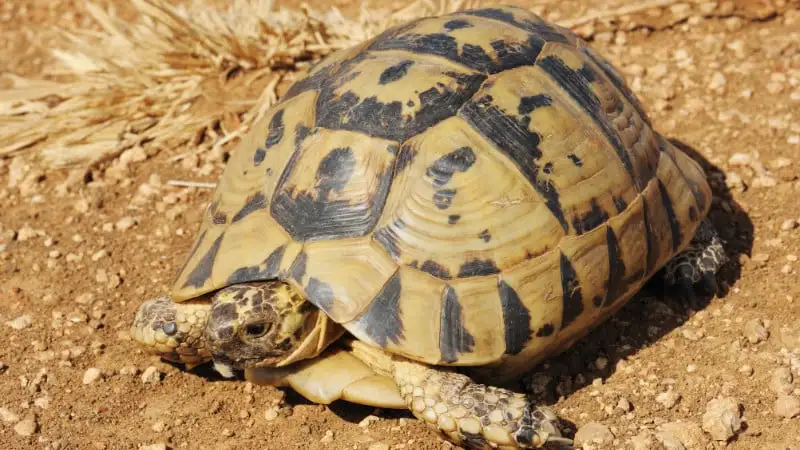
Turtles and tortoises are reptiles of the order Chelonia, animals characterized by the presence of the carapace, sturdy horny armor, and distinguished on the basis of the environment in which they live: the former are marine, while the latter are terrestrial or related to rivers and swamps.
Even more interesting are the morphological differences that show distinct ecological habits, identified first of all in the different type of environment in which they live. Indeed, there are terricolous species, characterized by considerable size and a herbivorous diet, and aquatic species, mostly carnivorous. Consequently, they differ in, for example, their legs, flat in the case of turtles and with pronounced claws in the case of tortoises. Among the longest-lived animal organisms, they put their evolutionary roots back more than 200 million years, when the earth was still inhabited by the great dinosaurs.
 VU
Greek tortoise
Testudo graeca
Vulnerable
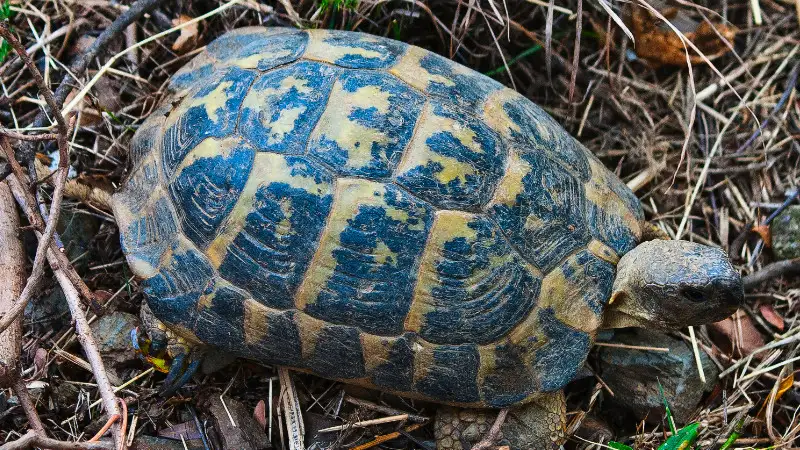 NT
Hermann's tortoise
Testudo hermanni
Near Threatened
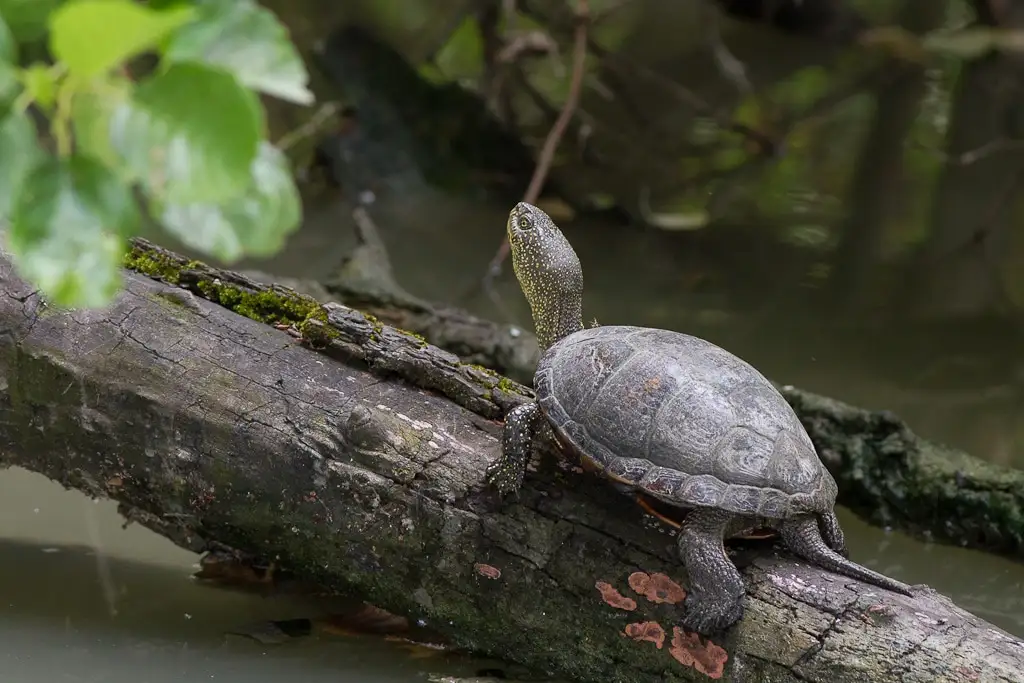 NT
European pond turtle
Emys orbicularis
Near Threatened
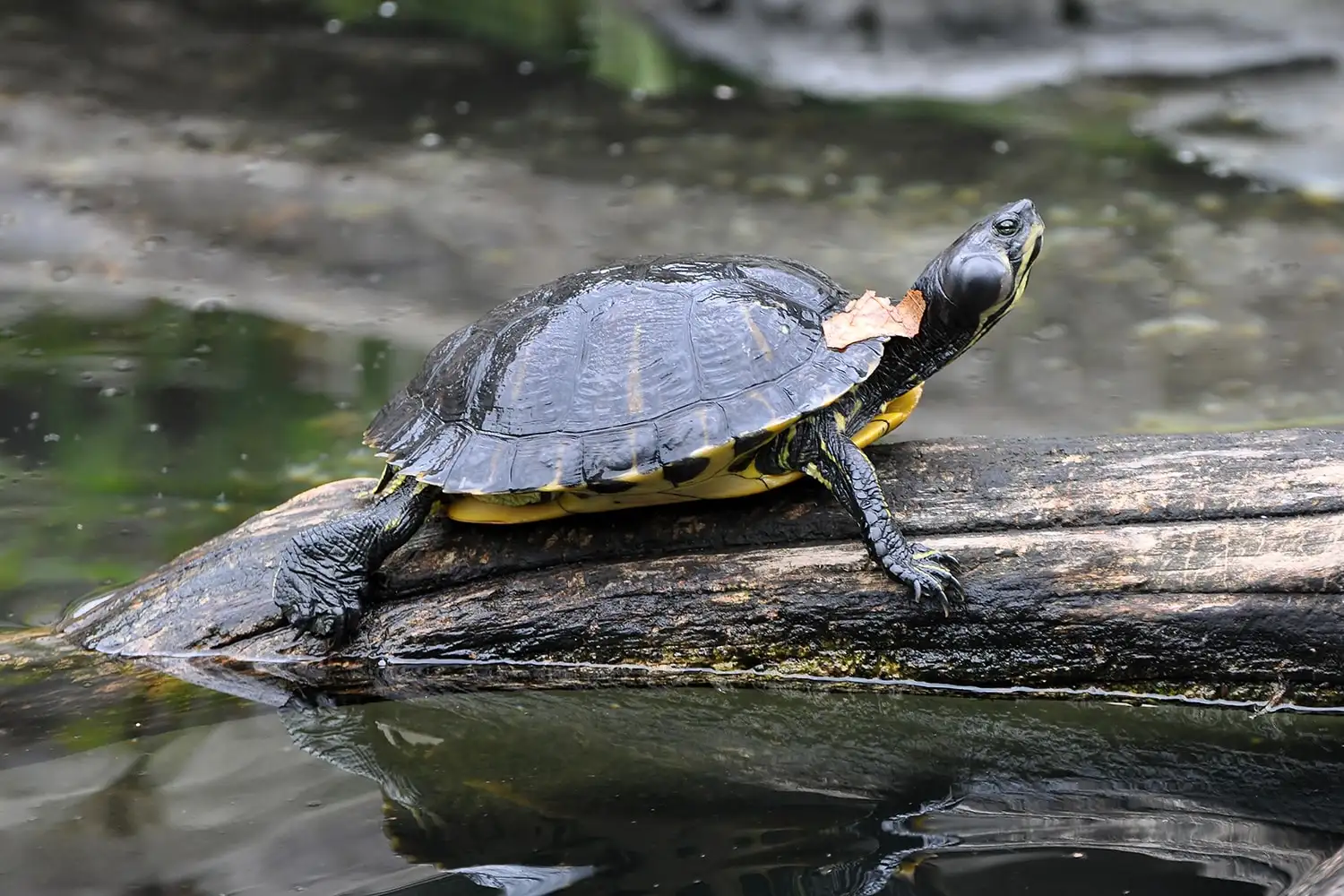 LC
Pond slider
Trachemys scripta
Least Concern
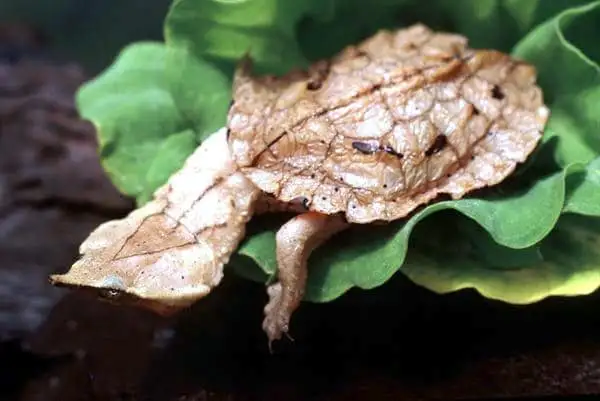 LC
Amazon mata mata
Chelus fimbriatus
Least Concern
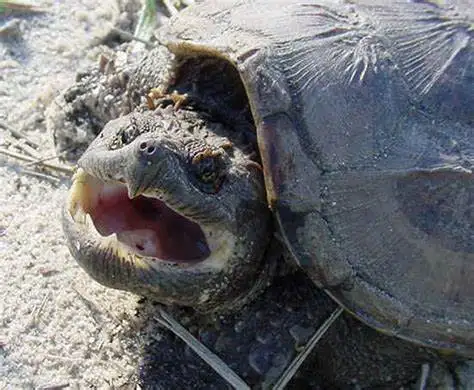 LC
Common snapping turtle
Chelydra serpentina
Least Concern
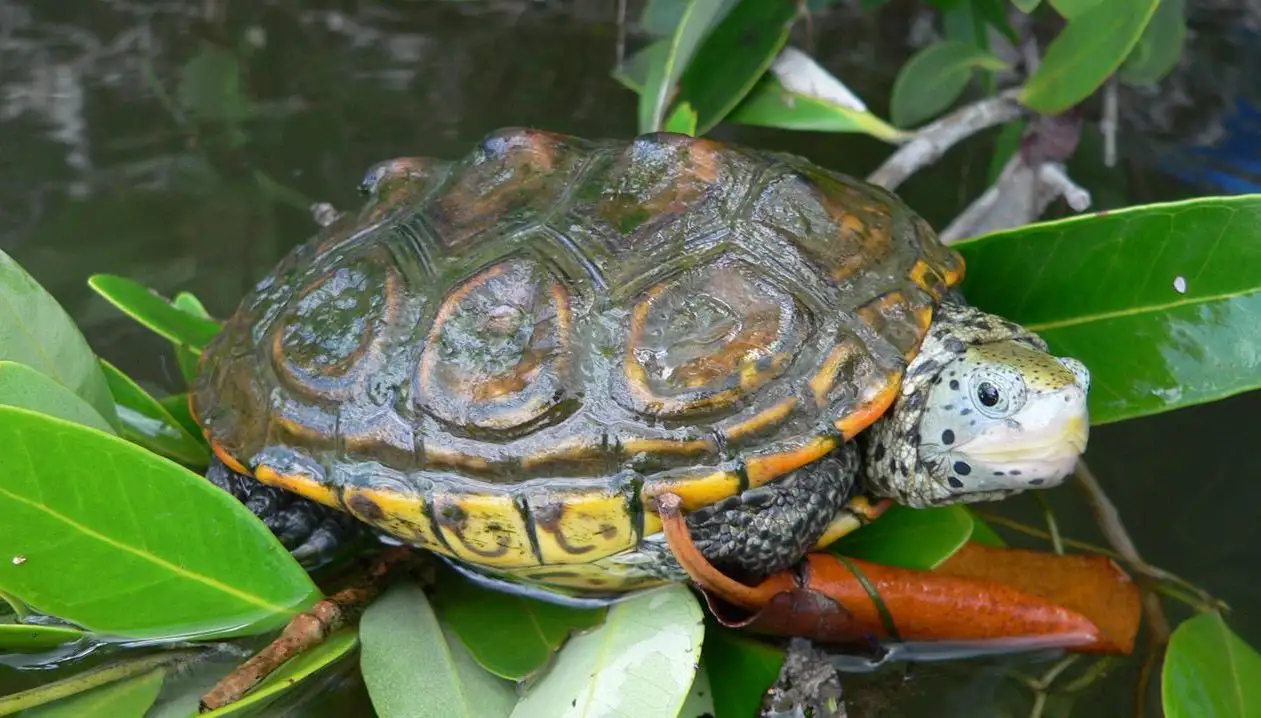 NT
Diamondback terrapin
Malaclemys terrapin
Near Threatened
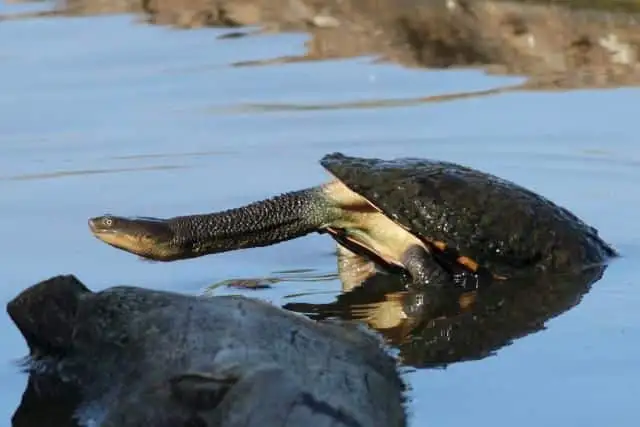 LC
Eastern long-necked turtle
Chelodina longicollis
Least Concern
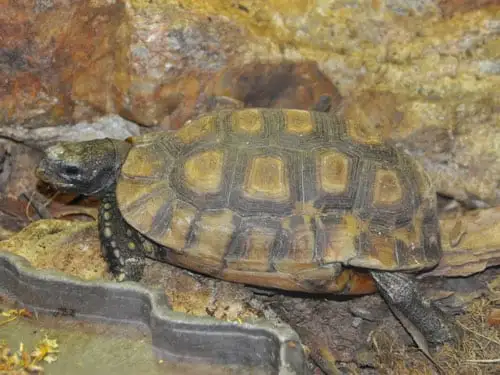 VU
Bell's hinge-back tortoise
Kinixys belliana
Vulnerable
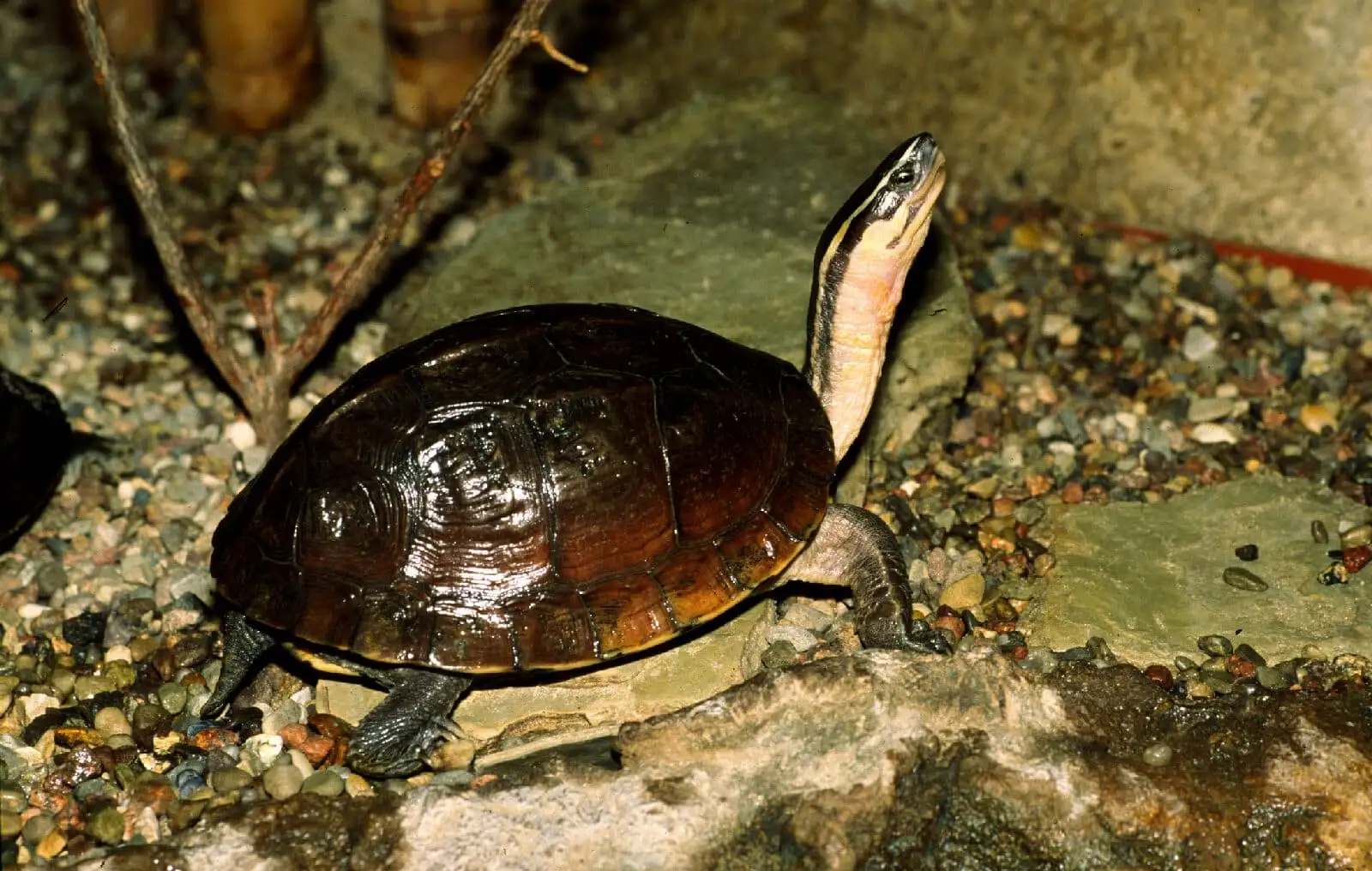 VU
Amboina box turtle
Cuora amboinensis
Vulnerable
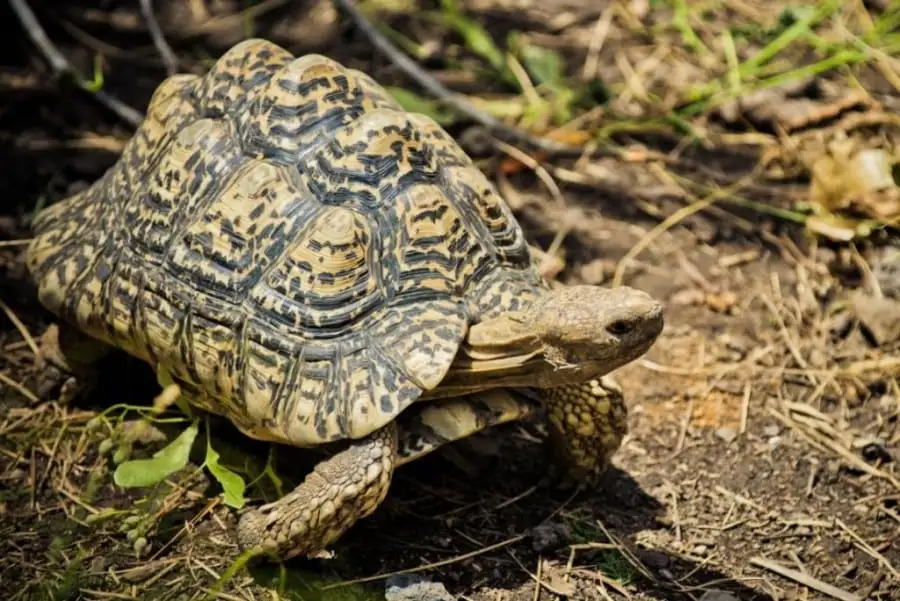 LC
Leopard tortoise
Stigmochelys pardalis
Least Concern
 VU
Central Asian tortoise
Testudo horsfieldii
Vulnerable
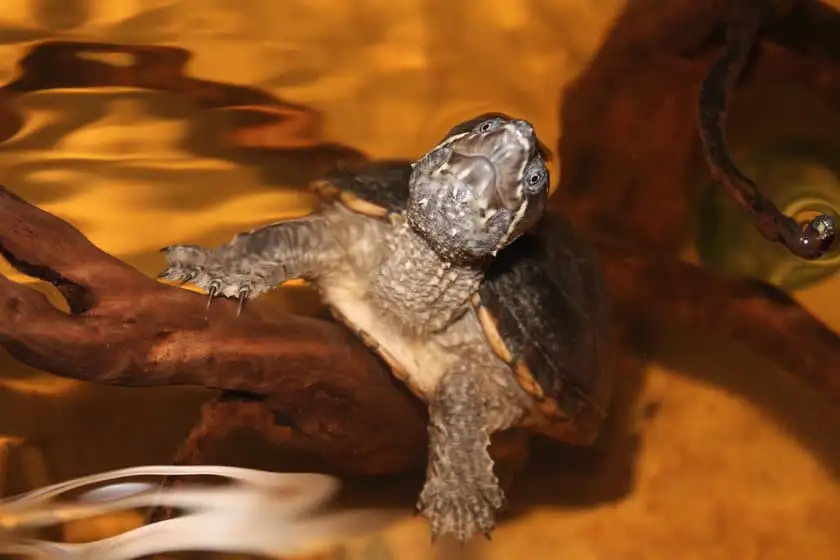 LC
Common musk turtle
Sternotherus odoratus
Least Concern
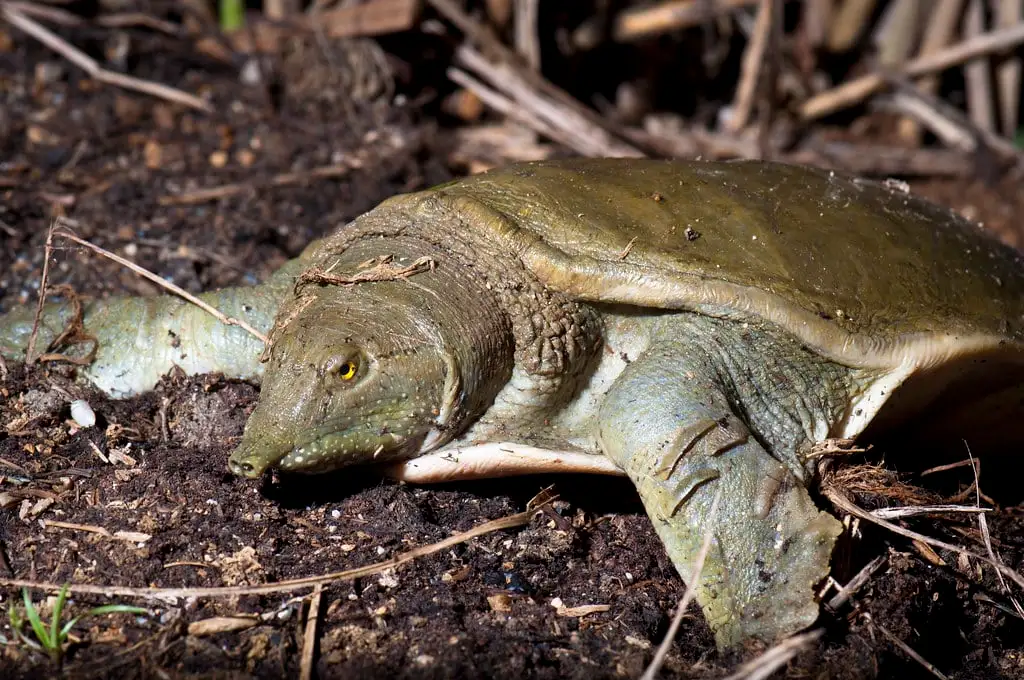 VU
Chinese softshell turtle
Pelodiscus sinensis
Vulnerable
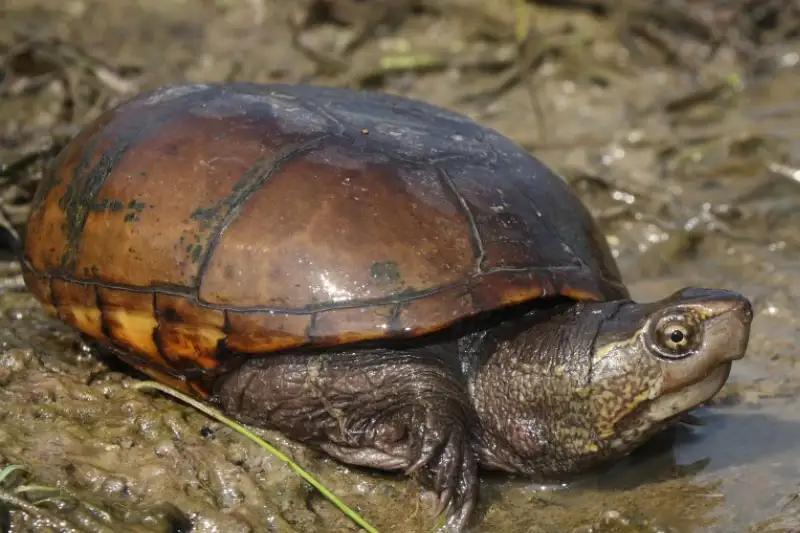 LC
Red-cheeked mud turtle
Kinosternon cruentatum
Least Concern
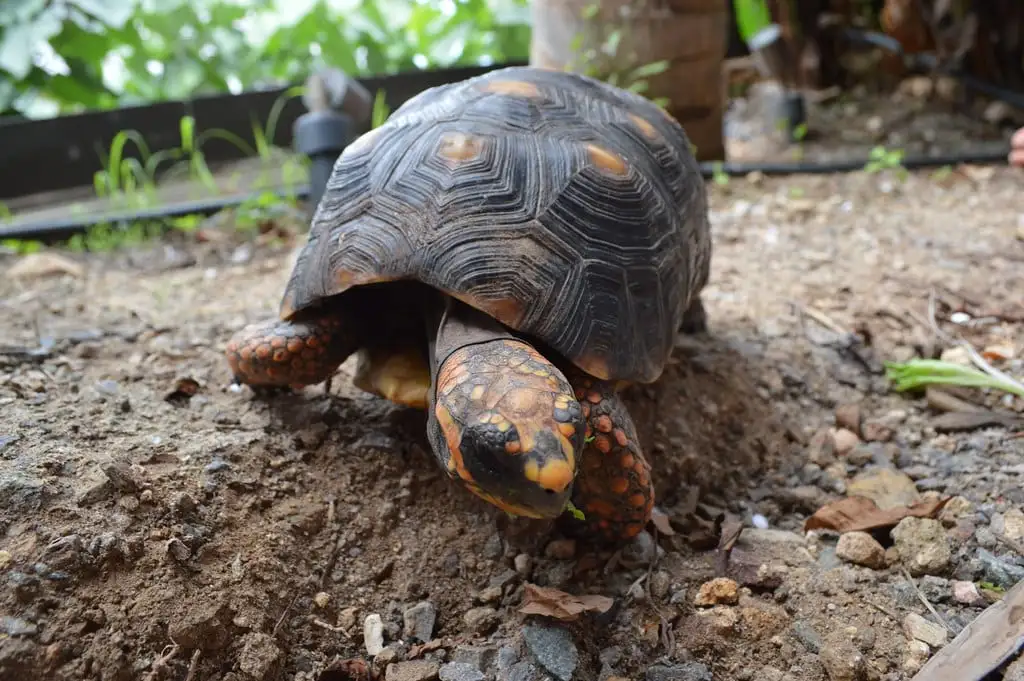 VU
Red-footed tortoise
Chelonoidis carbonarius
Vulnerable
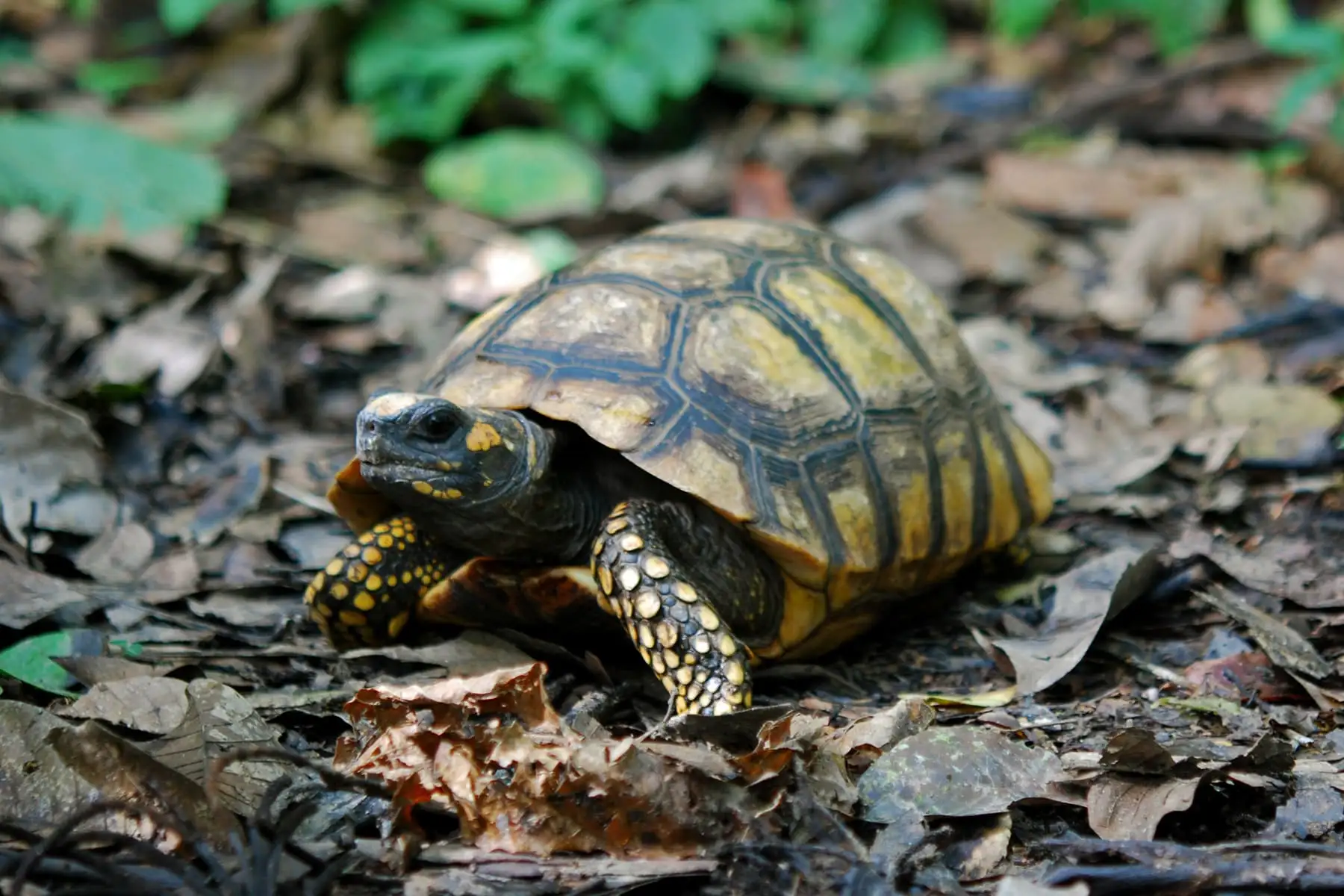 VU
Yellow-footed tortoise
Chelonoidis denticulatus
Vulnerable
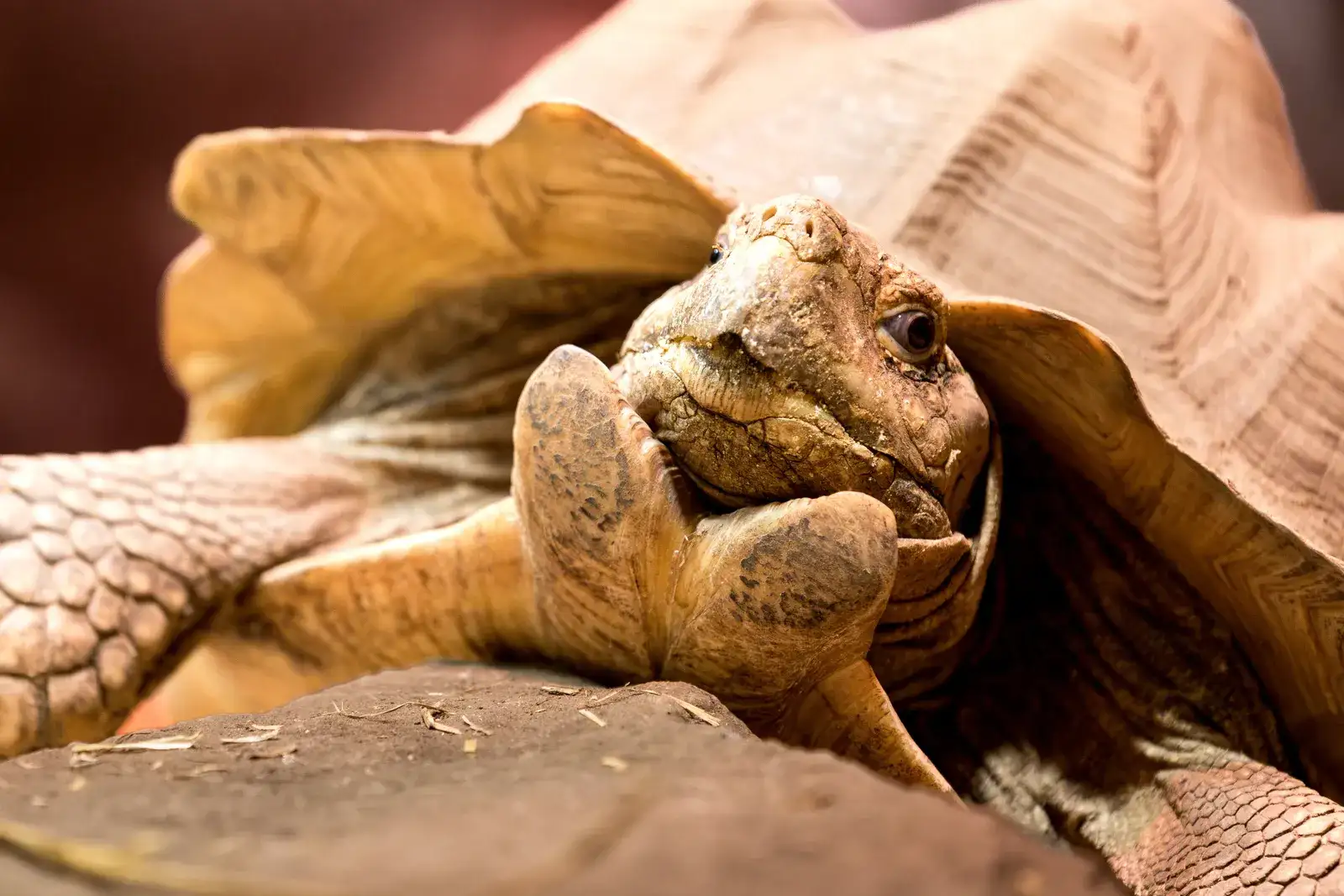 VU
African spurred tortoise
Centrochelys sulcata
Vulnerable
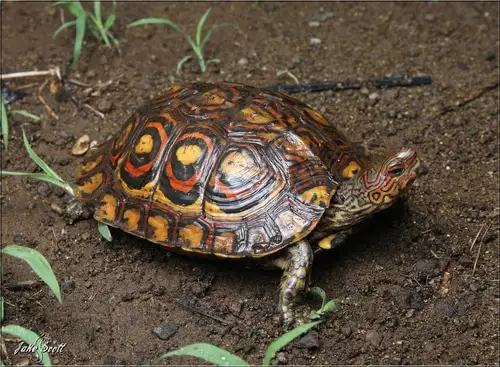 NT
Ornate wood turtle
Rhinoclemmys pulcherrima manni
Near Threatened
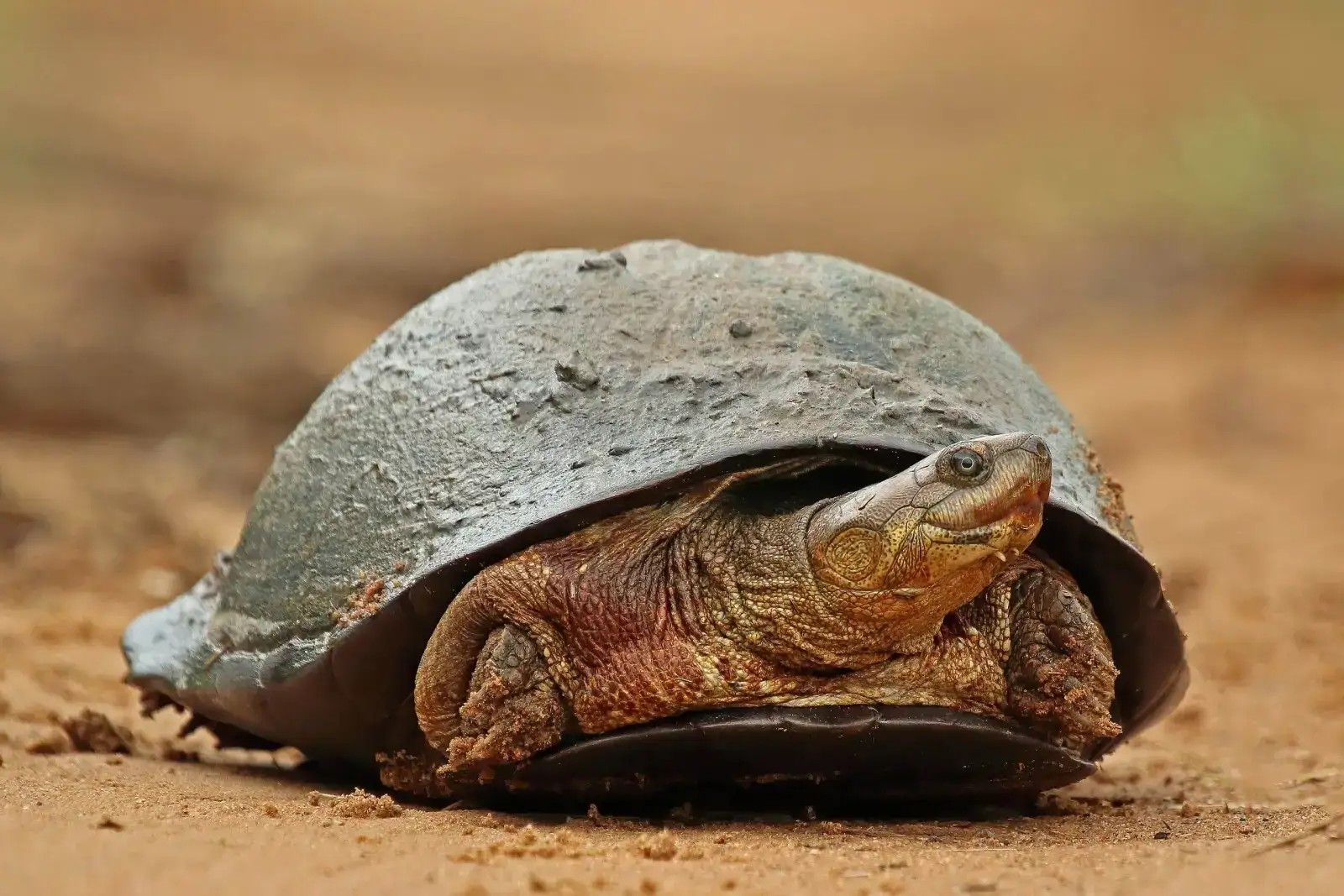 LC
Red-bellied short-necked turtle
Emydura subglobosa
Least Concern
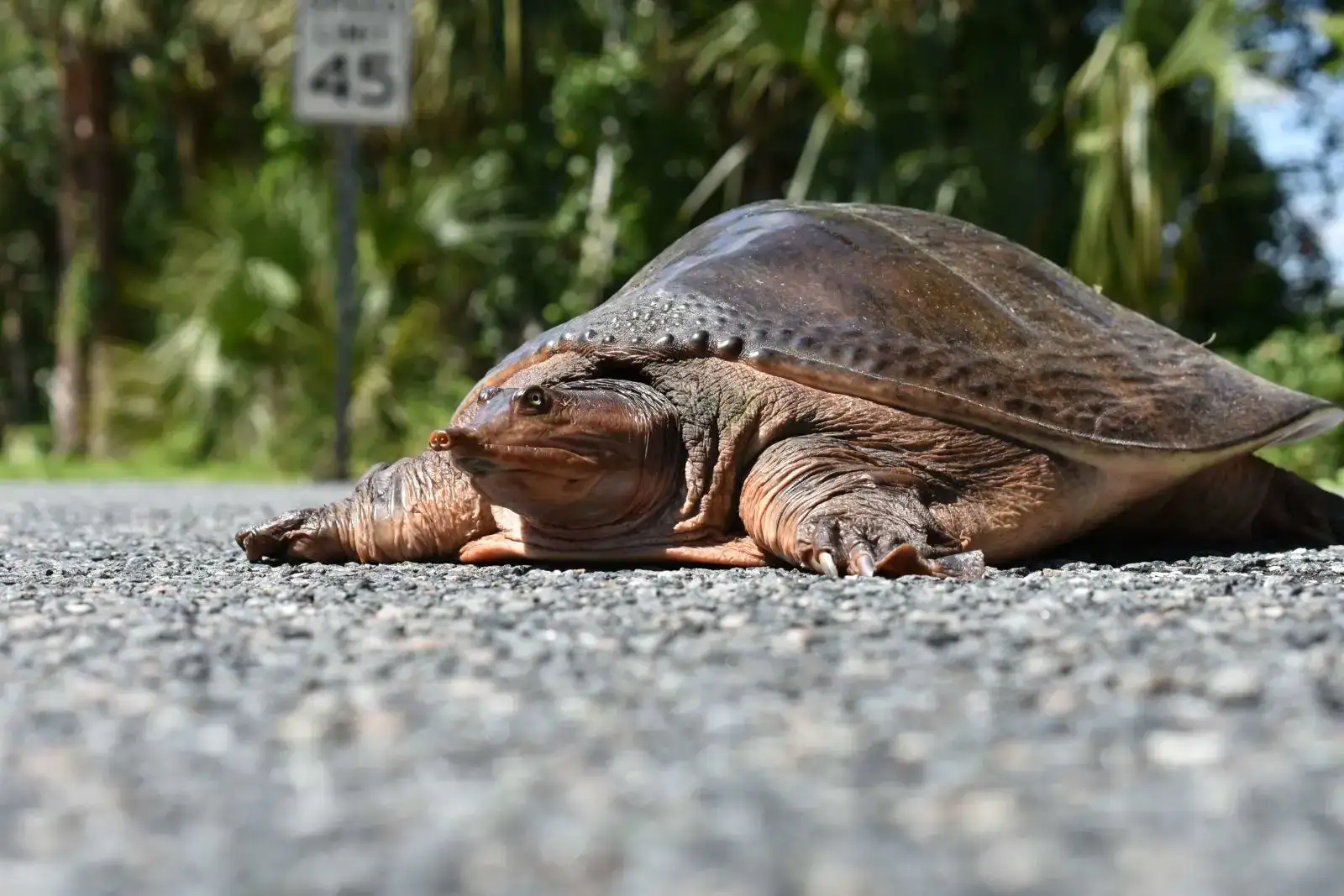 LC
Florida softshell turtle
Apalone ferox
Least Concern
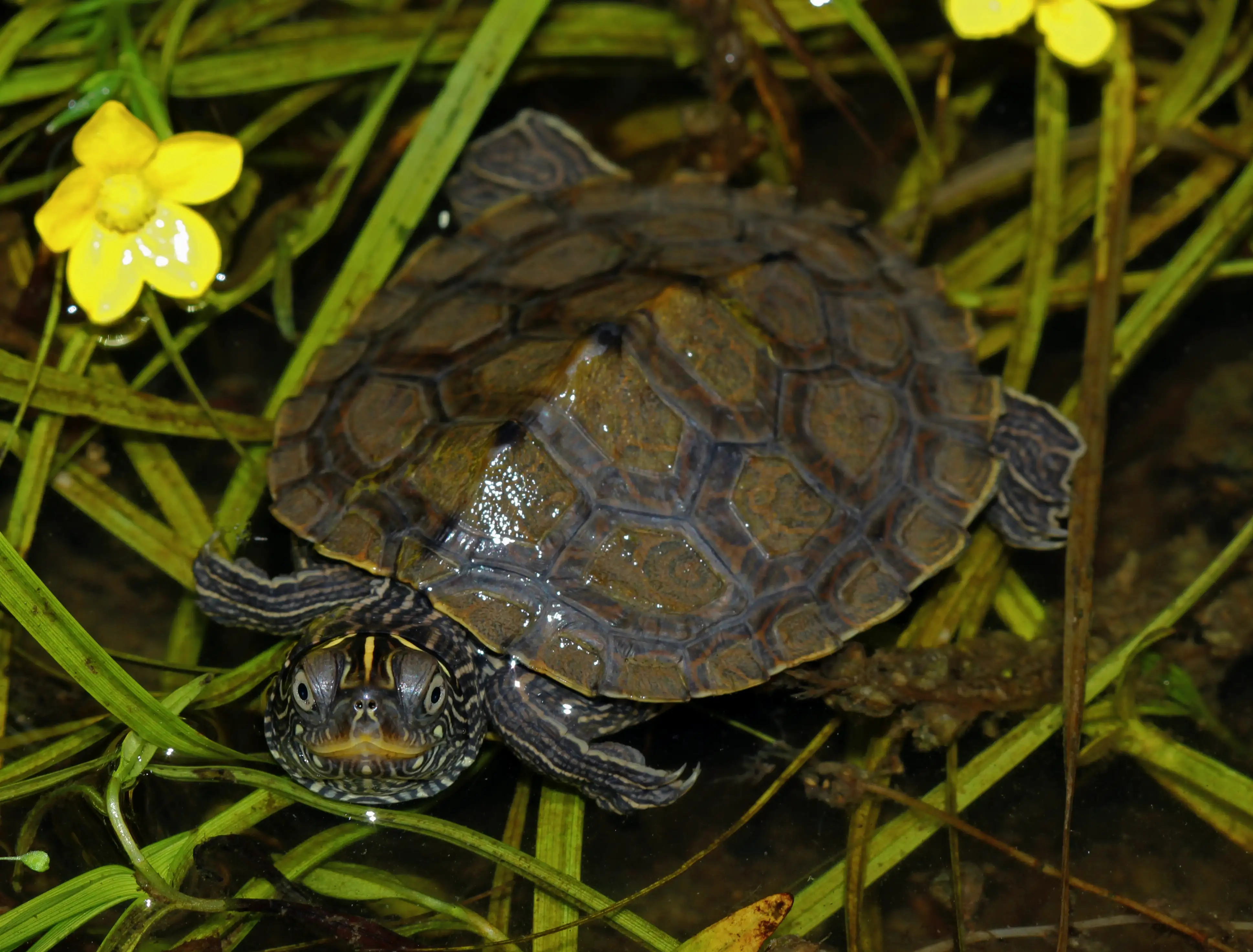 LC
False map turtle
Graptemys pseudogeographica
Least Concern
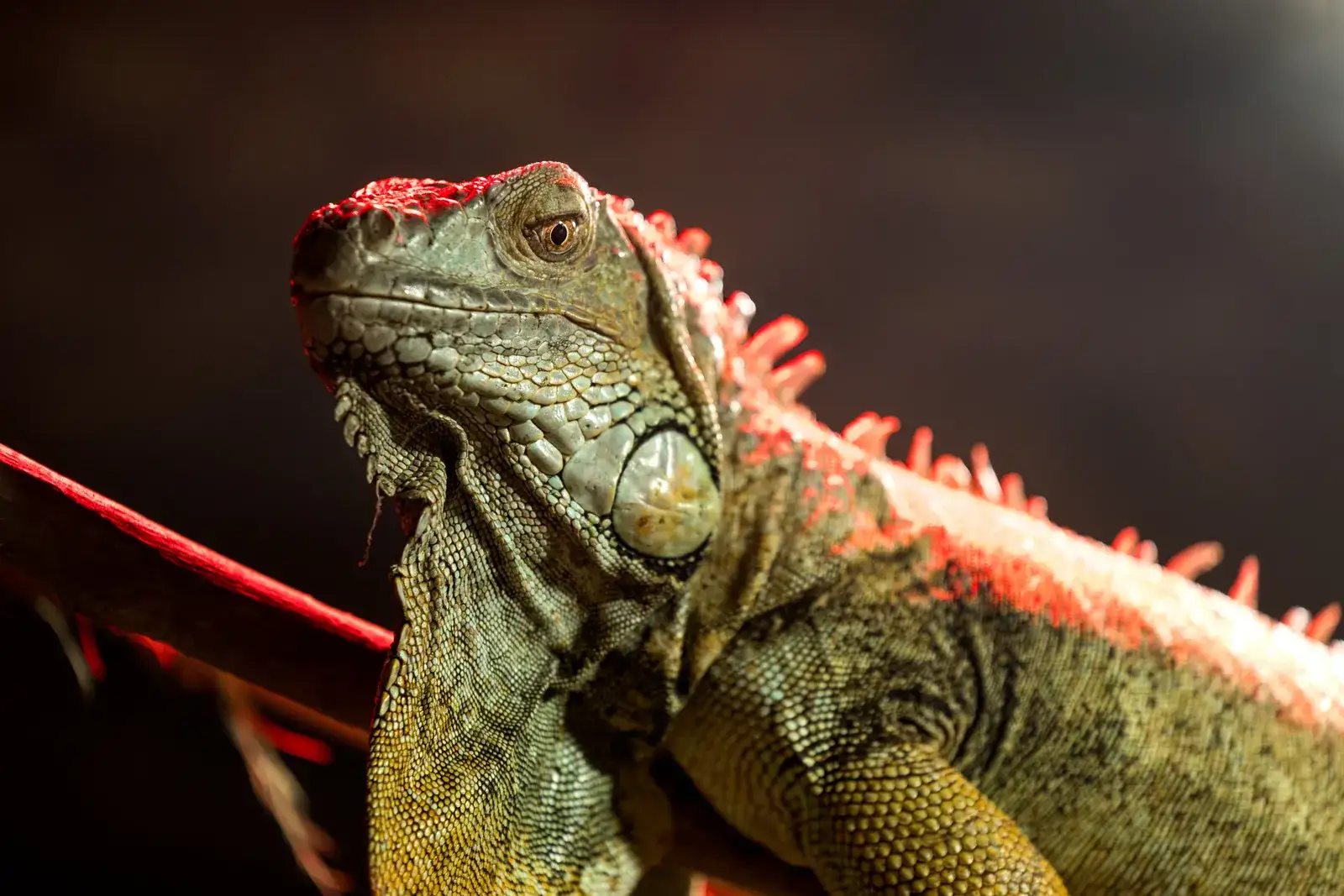
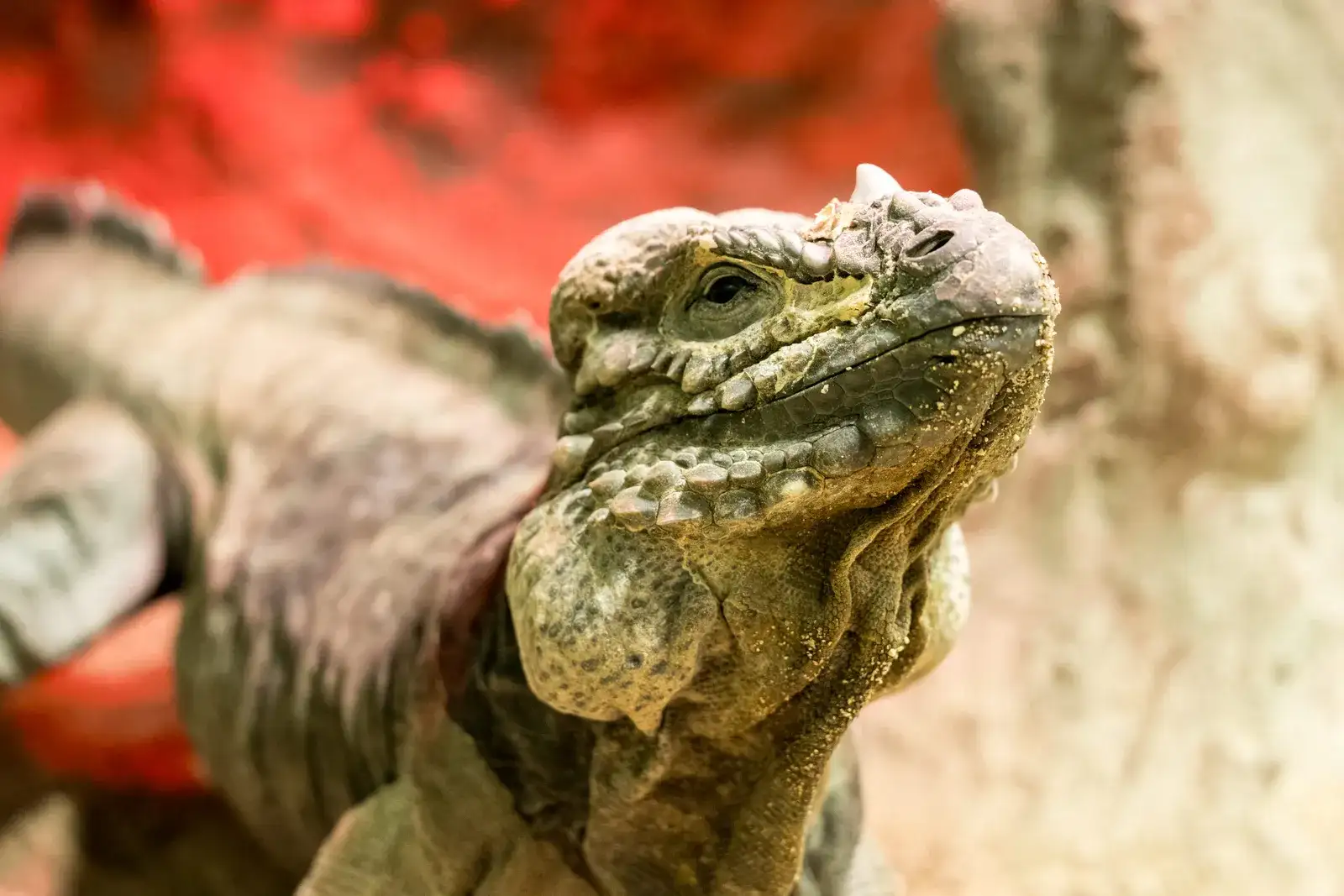
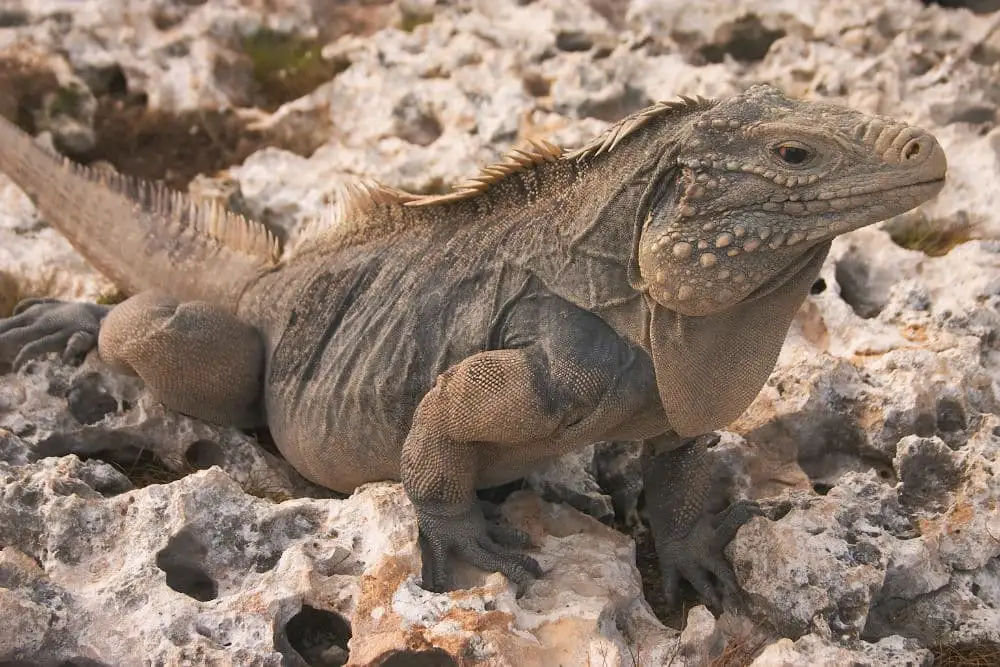
Iguanas
Like other saurians, iguanas resemble the shape of lizards, from which they differ, however, in several respects.
First of all by their appearance, characterized by the presence of a crest on their heads and a significantly larger size, but also by their habits and behaviors, including being excellent swimmers. In fact, their awkward appearance should not deceive us: they are also very fast and brave, to the point of dropping even from considerable heights. A large part of the total length of the body (between 1.5 and 2 m) is occupied by the tail, which is also used by these animals as a defensive weapon: in fact, it can cause its detachment to escape from predators (just like lizards) or, in case of danger and confrontation with other individuals, use it as a whip. Typical of the warm environments of South America, they devote most of their day to thermoregulating themselves under the sun's rays, being cold-blooded animals, lying on the highest branches of shrubs. From these they descend rarely and only for breeding or feeding purposes, to lay eggs or search for fruits and vegetables.
Geckos
Harmless to humans, geckos are widespread in all tropical and temperate environments around the world, including Italy.
Belonging to the family Gekkonidae, they include saurians with limbs that have been suitably modified to maximize grip on all kinds of surfaces. In fact, there are very small, hair-like structures in the fingers that can increase the attractive force of these animals, so much so that they can even stand upside down on the ceiling, despite their relatively heavy weight. Reptiles characterized by their small size, geckos are the distant cousins of lizards, from which they differ in several respects, including the use of an actual cry, quite different from the simple hissing sound of most reptiles. In addition, further distinguishing feature is the size of their eyes, which are perfectly adapted to exploit any light source in night hunting activities. Often depending on the type of habitat exploited, their colors are extremely varied, ranging from grey to the brightest, most vivid shades but, just like chameleons, they are able to change it slightly.
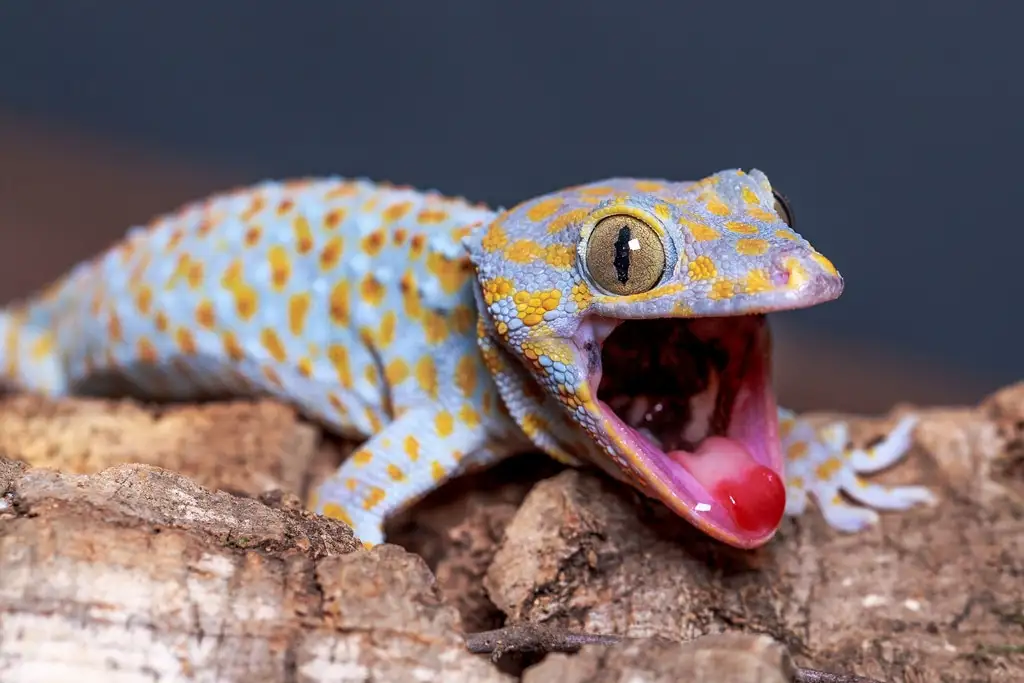 LC
Tokay gecko
Gekko gecko
Least Concern
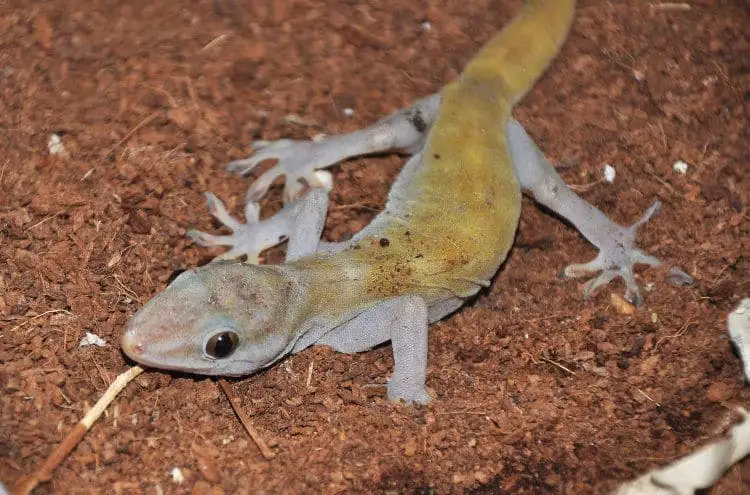 EN
Golden gecko
Gekko ulikovskii
Endangered
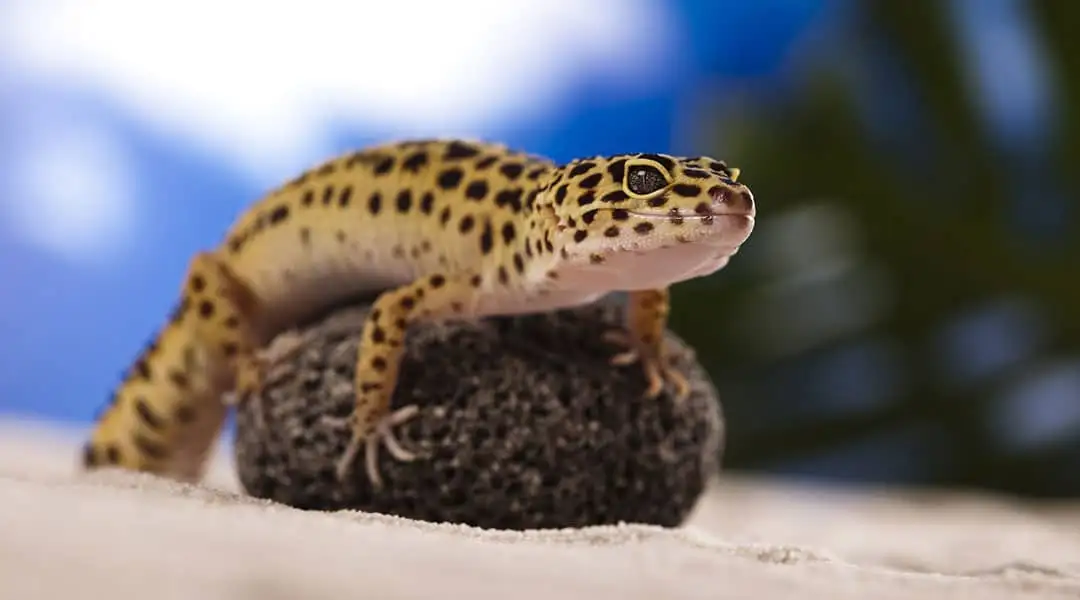 LC
Leopard gecko
Eublepharis macularius
Least Concern
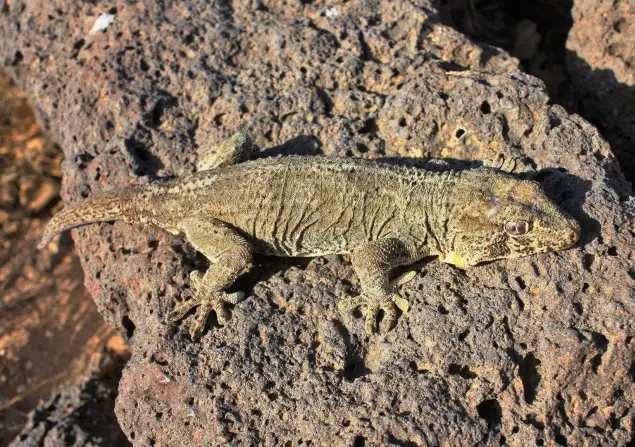 EN
Cape Verde giant gecko
Tarentola gigas gigas
Endangered
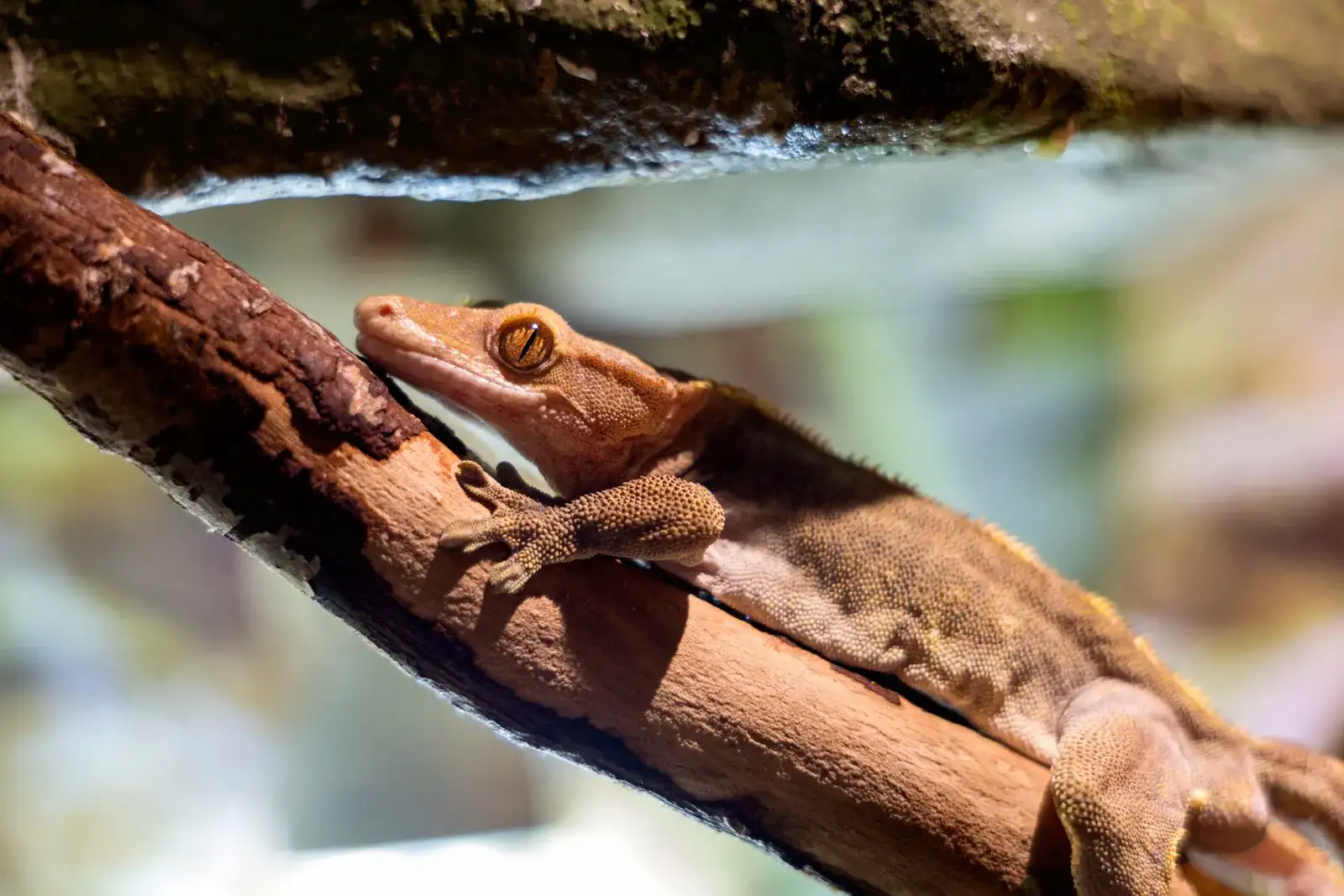 VU
Crested gecko
Correlophus ciliatus
Vulnerable
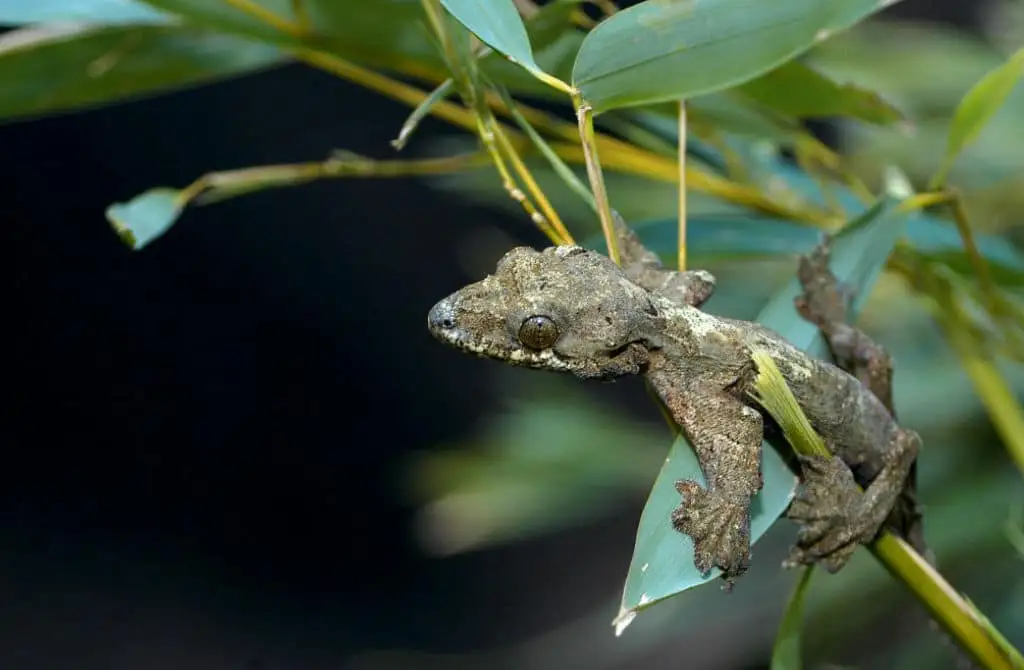 LC
Kuhl's flying gecko
Ptychozoon kuhli
Least Concern
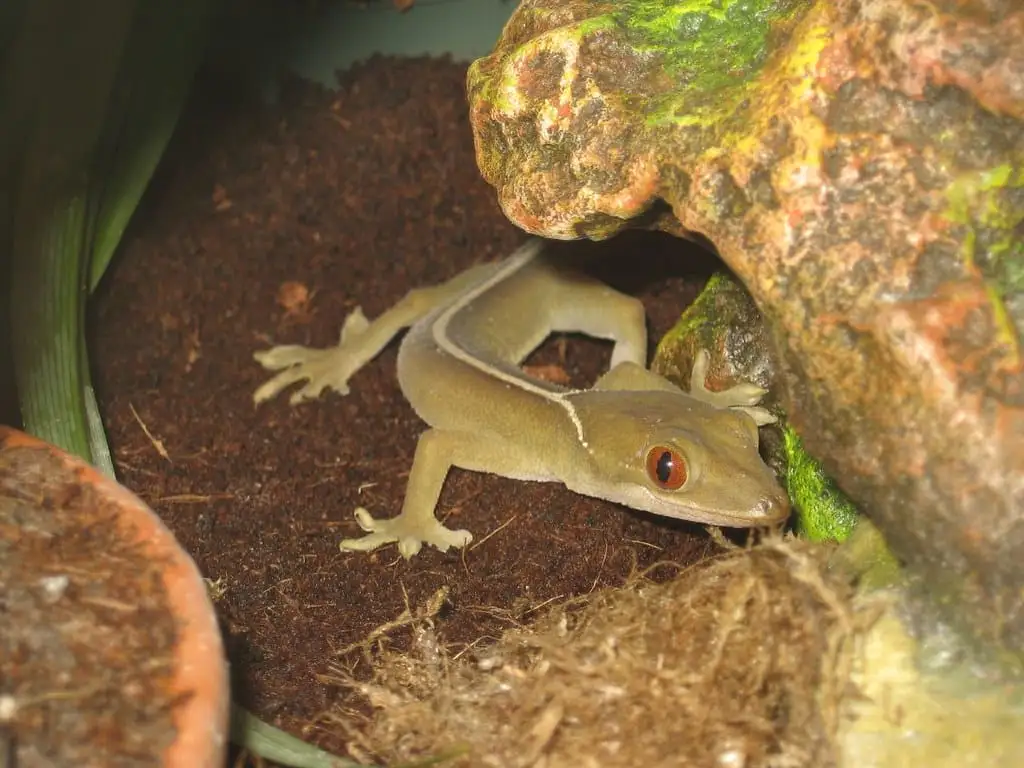 LC
Lined gecko
Gekko vittatus
Least Concern
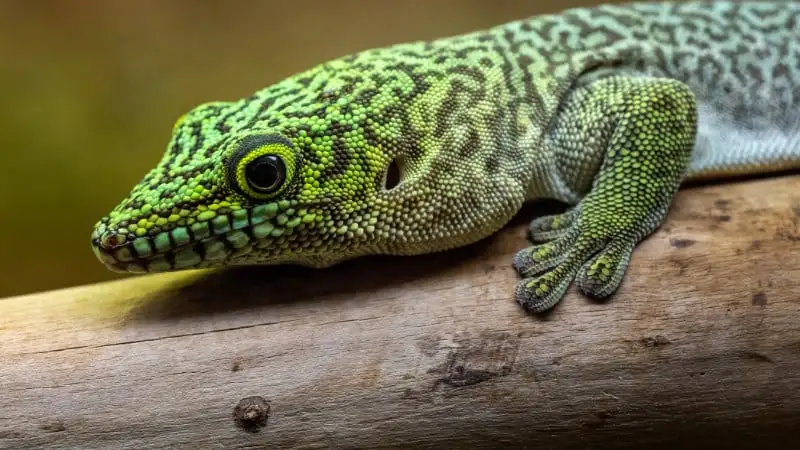 VU
Standing's day gecko
Phelsuma standingi
Vulnerable
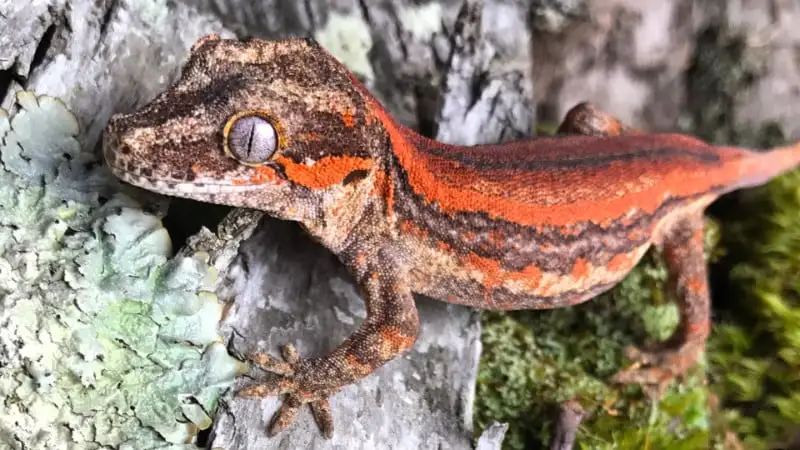 LC
Gargoyle gecko
Rhacodactylus auriculatus
Least Concern
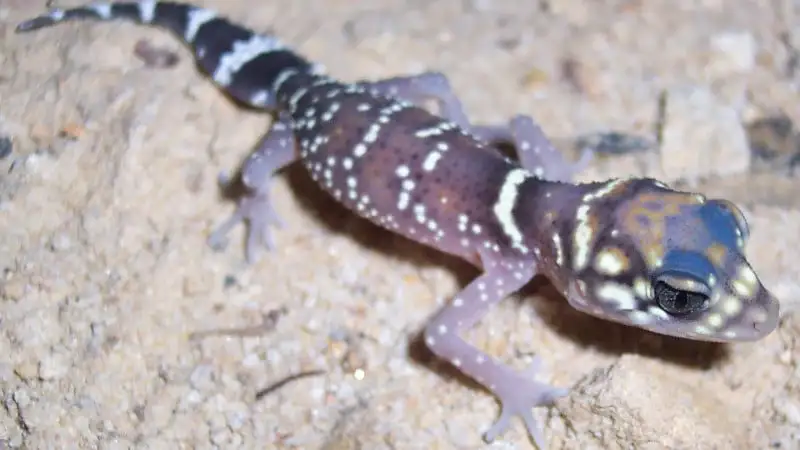 LC
Thick-tailed gecko
Underwoodisaurus milii
Least Concern
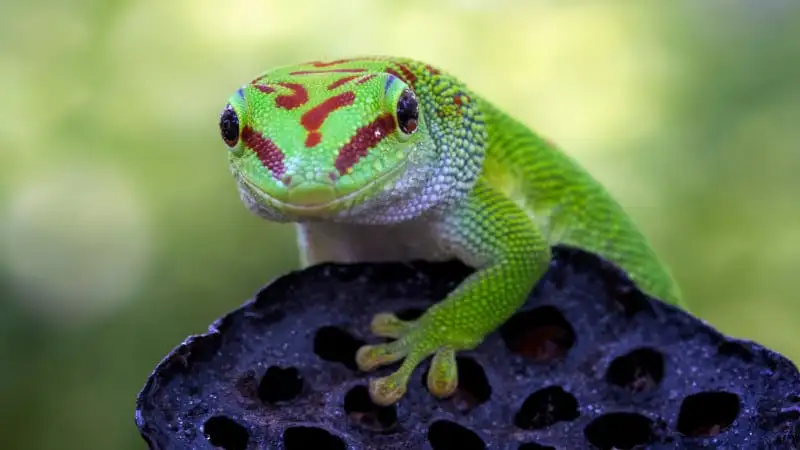 LC
Madagascar day gecko
Phelsuma madagascariensis
Least Concern
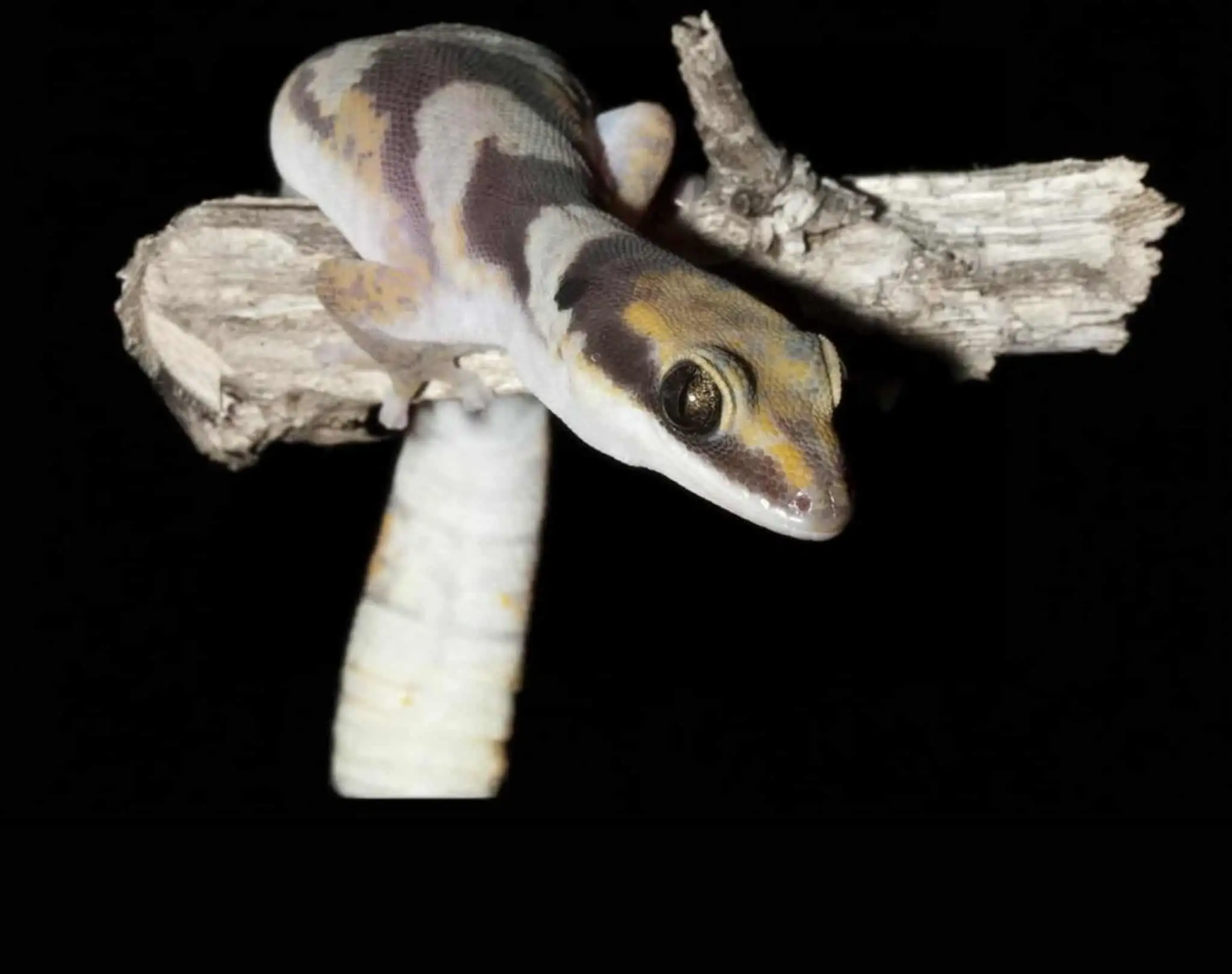 LC
Northern velvet gecko
Oedura castelnaui
Least Concern
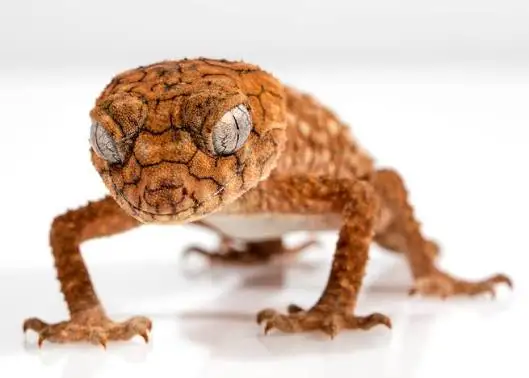 LC
Nephrurus cinctus
Nephrurus cinctus
Least Concern
Amphibians
The term "amphibians" is derived from the Greek, meaning "both kinds of life": they are in fact terrestrial animals that, at least in the initial phase of their life cycle, are also related to the aquatic environment.
This particular characteristic allowed the ancestors of amphibians to become among the most widespread animals, even before the presence of the large and famous dinosaurs. It all begins in small wet environments, where adults lay their eggs in water, as they lack a shell. From these will be born the small amphibians, known as "tadpoles" in the case of Anurans (the frogs), or "larvae" in the case of Urodeles (the salamanders). Metamorphosis then occurs, true transformation from these early stages to the adult stage, giving rise to animals that are extremely diverse in their habits, diets, shapes and colors. From toads with the most camouflage colors and thick skin, to small tropical frogs rich in garish colors, usually used to deter predators from attacking. The skin appears naked, devoid of solid structures, kept constantly moist by special glands that produce protective, sometimes even toxic, secretions as an additional defense technique. This is a fundamental aspect for amphibians, since the skin itself is used as a "lung," breathing through it as well. Thus, they are very sensitive animals and, for this reason, excellent indicators of good environmental quality. Unfortunately, however, they are experiencing a sharp decline in recent years, occupying the top of the list of most endangered animals.
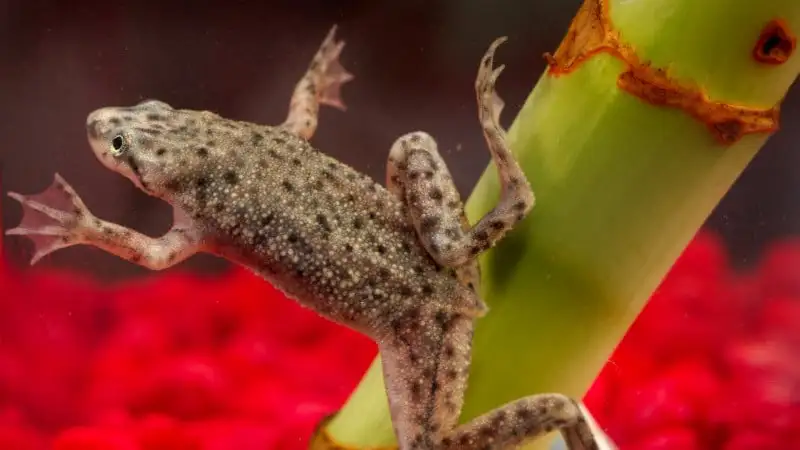 LC
African dwarf frog
Hymenochirus boettgeri
Least Concern
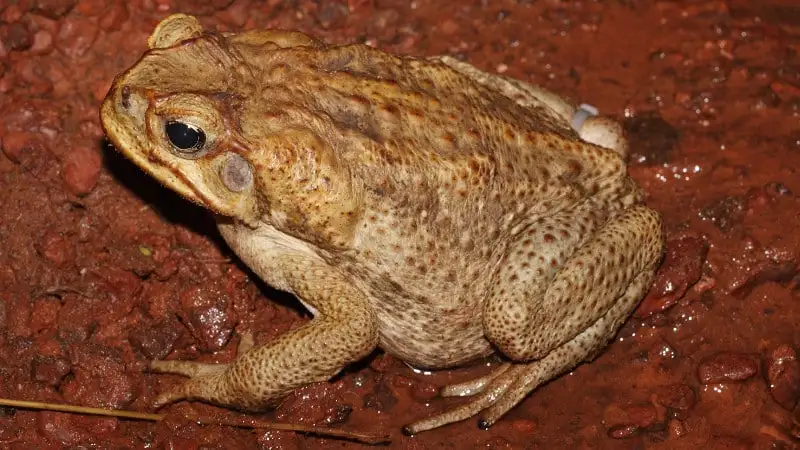 LC
Cane toad
Rhinella marina
Least Concern
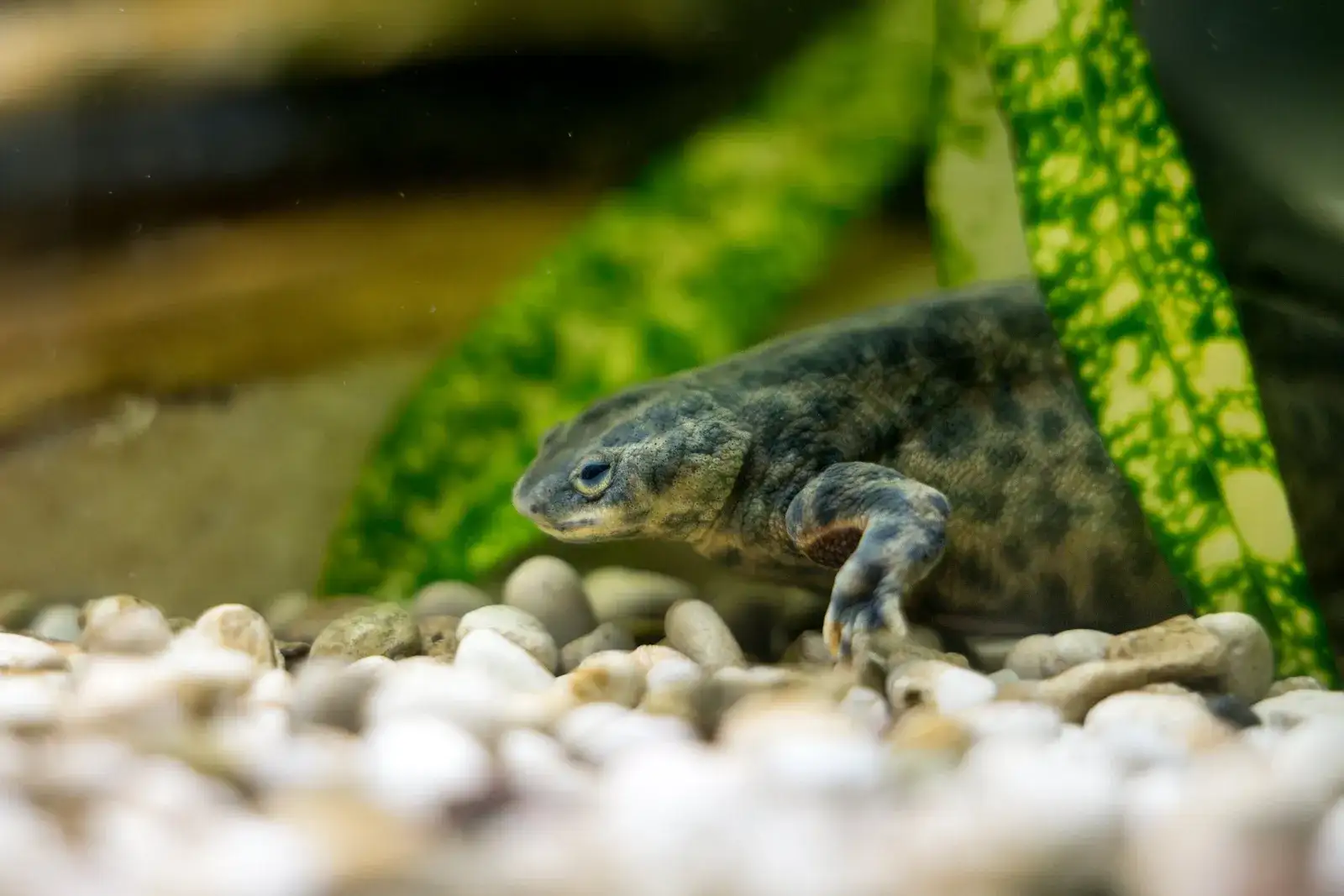 NT
Iberian ribbed newt
Pleurodeles waltl
Near Threatened
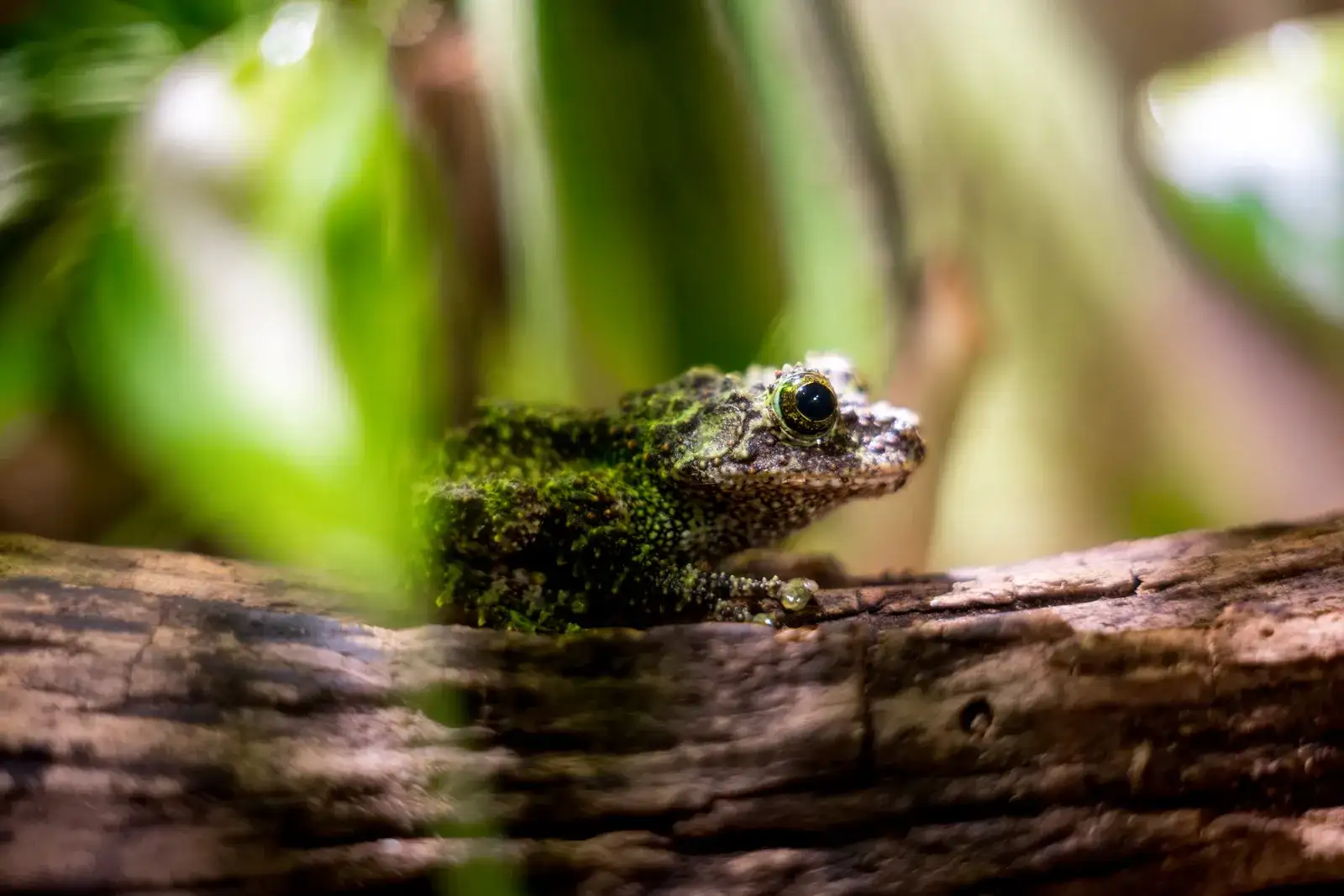 LC
Vietnamese mossy frog
Theloderma corticale
Least Concern
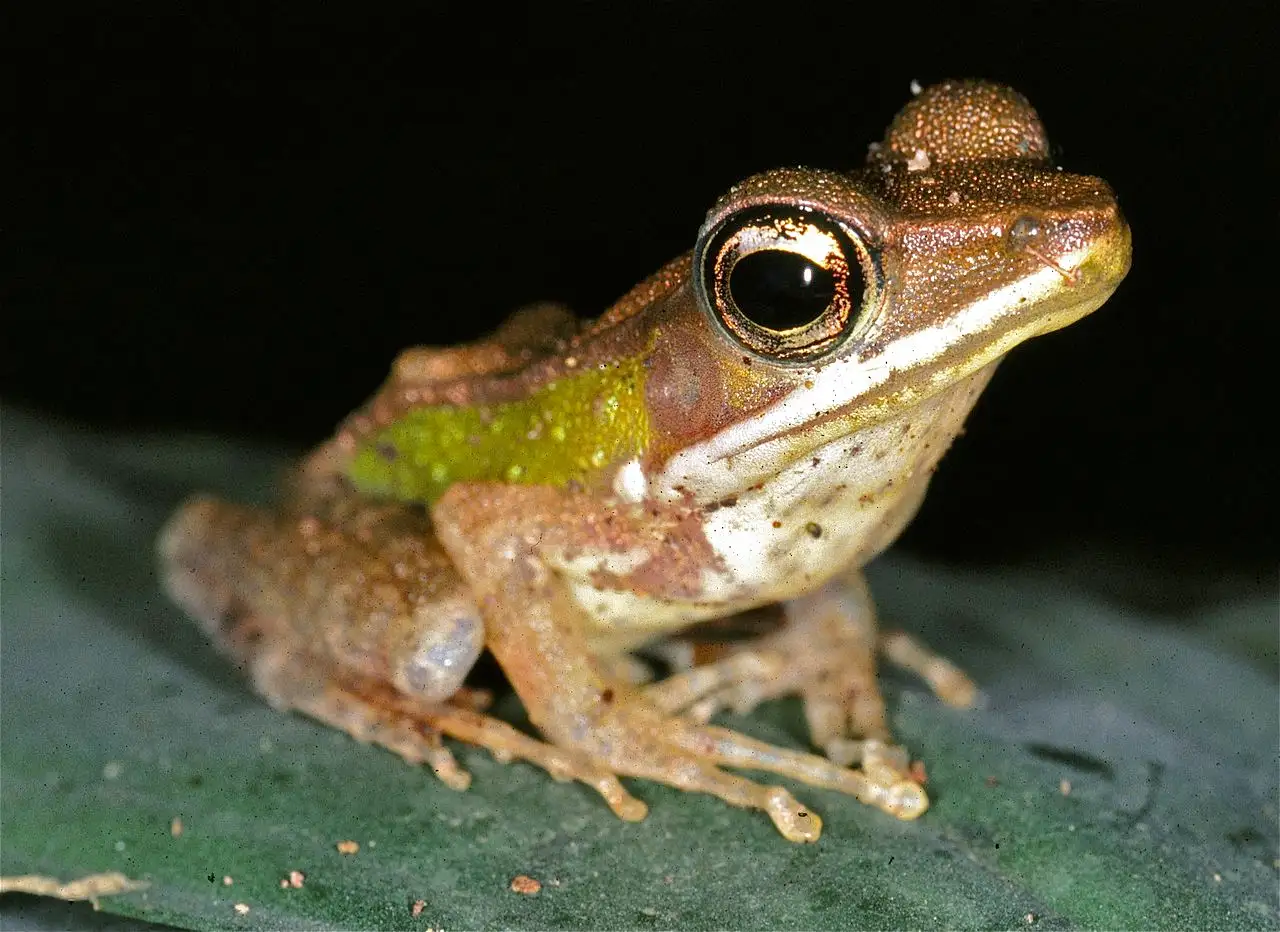 LC
White-lipped frog
Hylarana albolabris
Least Concern
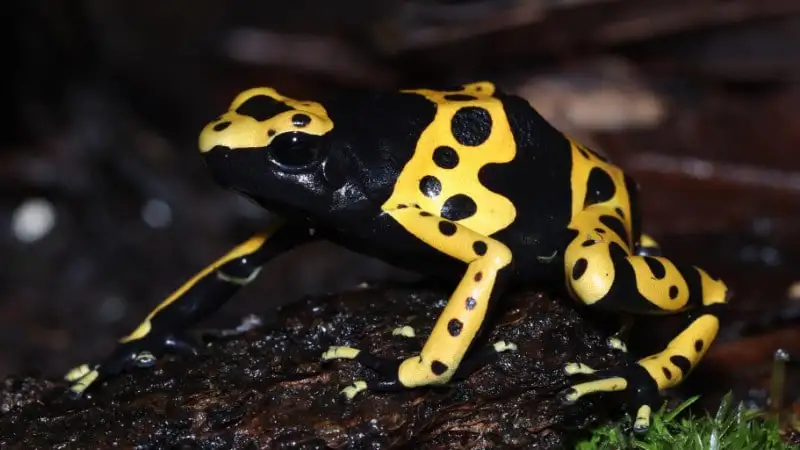 LC
Poison dart frog
Dendrobates sp.
Least Concern
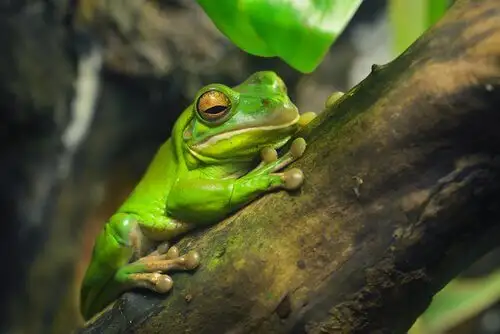 LC
Australian green tree frog
Litoria caerulea
Least Concern
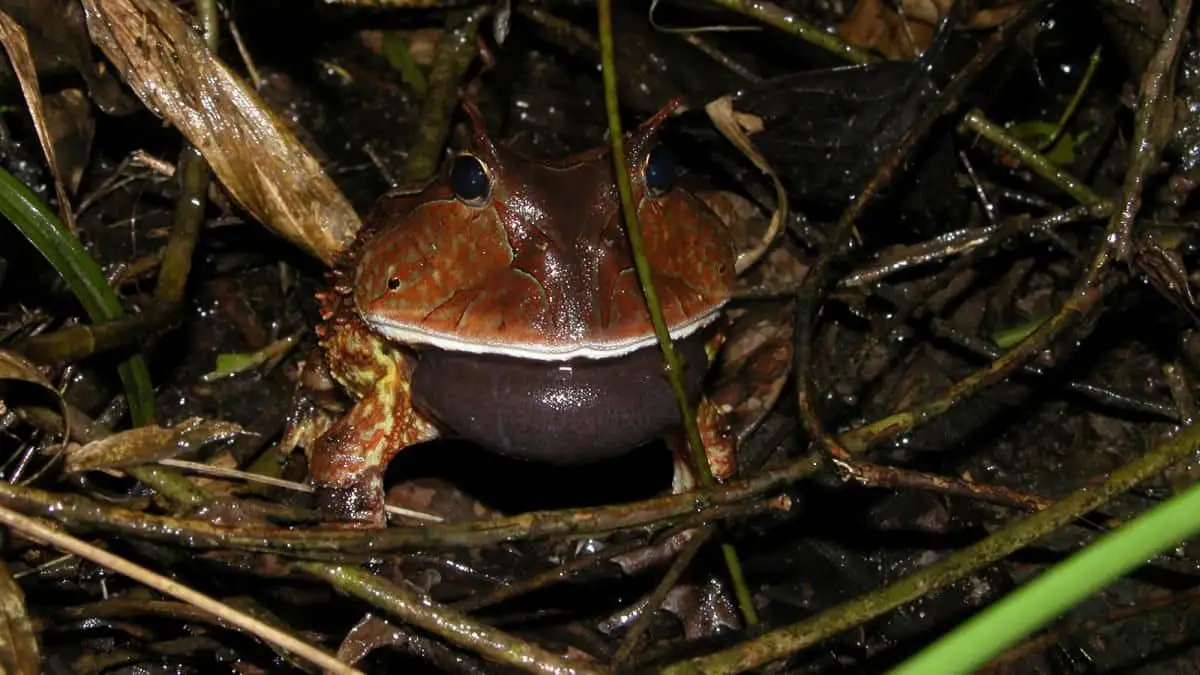 LC
Surinam horned frog
Ceratophrys cornuta
Least Concern
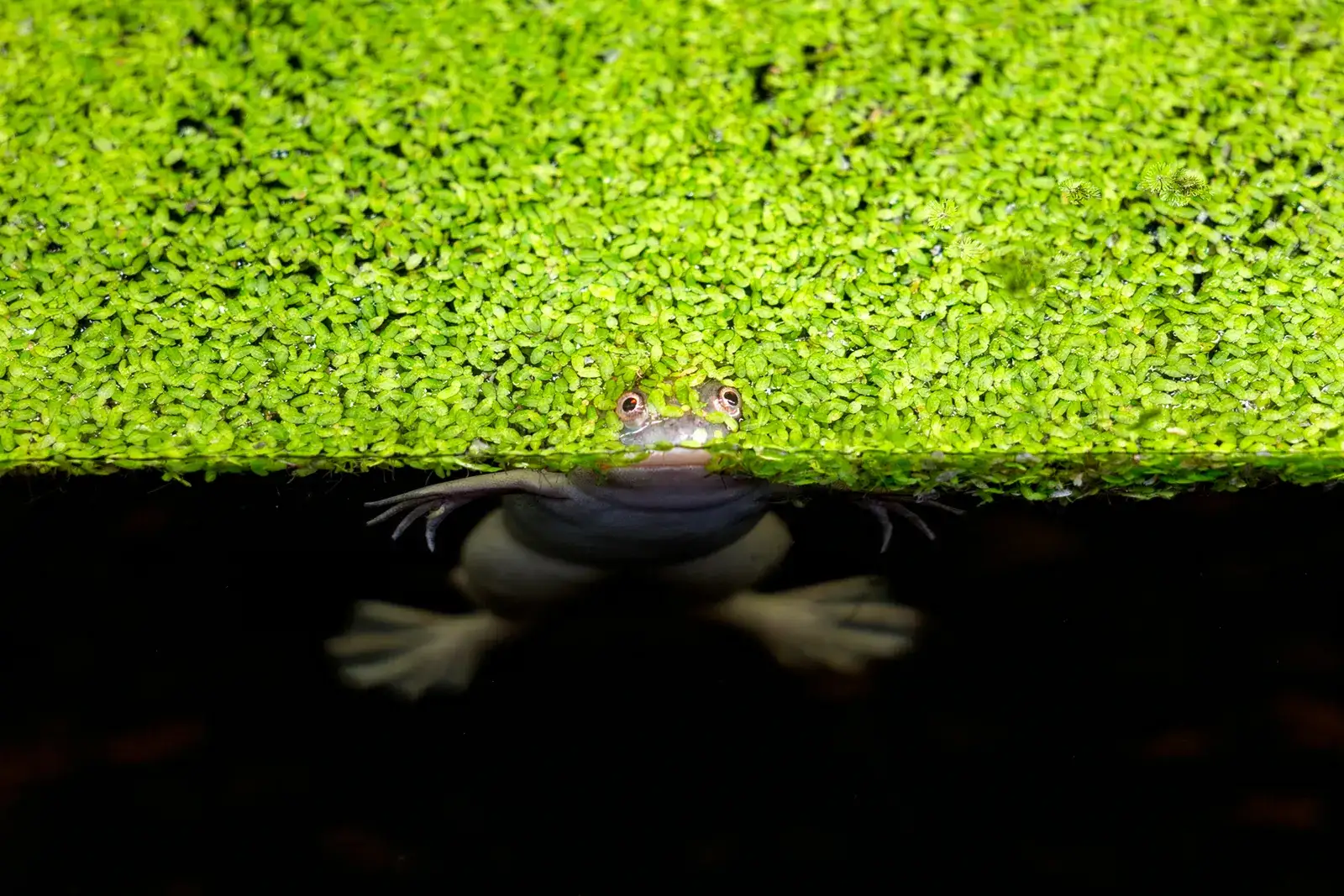 LC
African clawed frog
Xenopus laevis
Least Concern
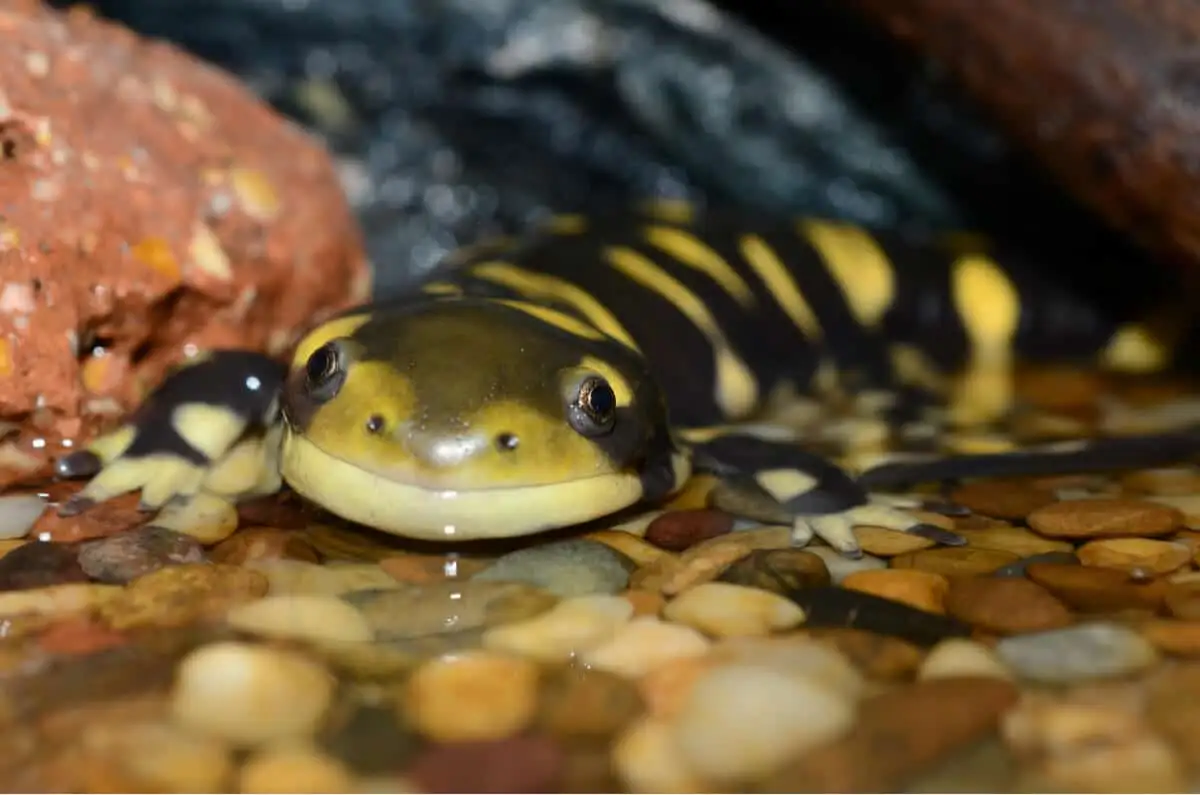 LC
Tiger salamander
Ambystoma tigrinum
Least Concern
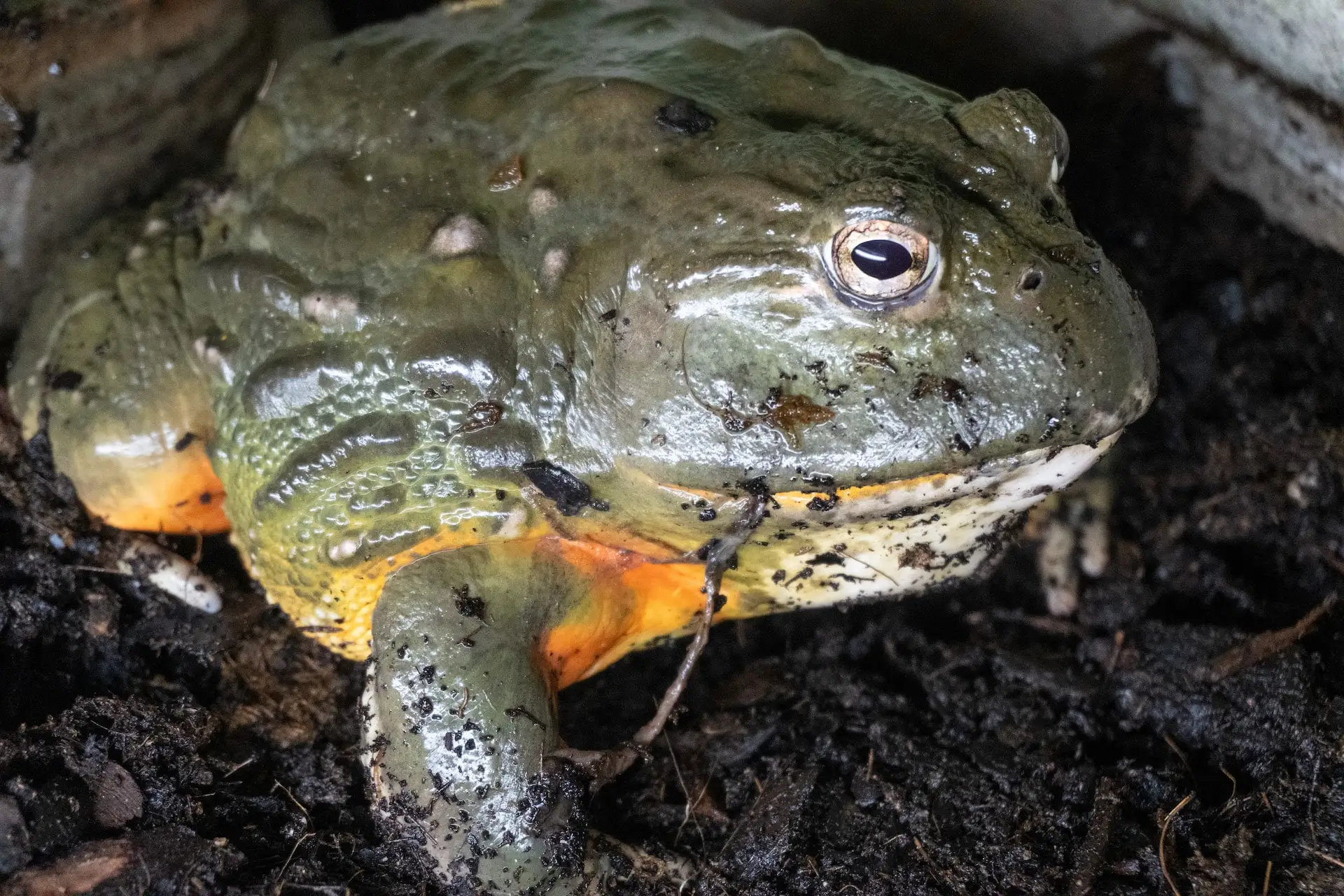 LC
African bullfrog
Pyxicephalus adspersus
Least Concern
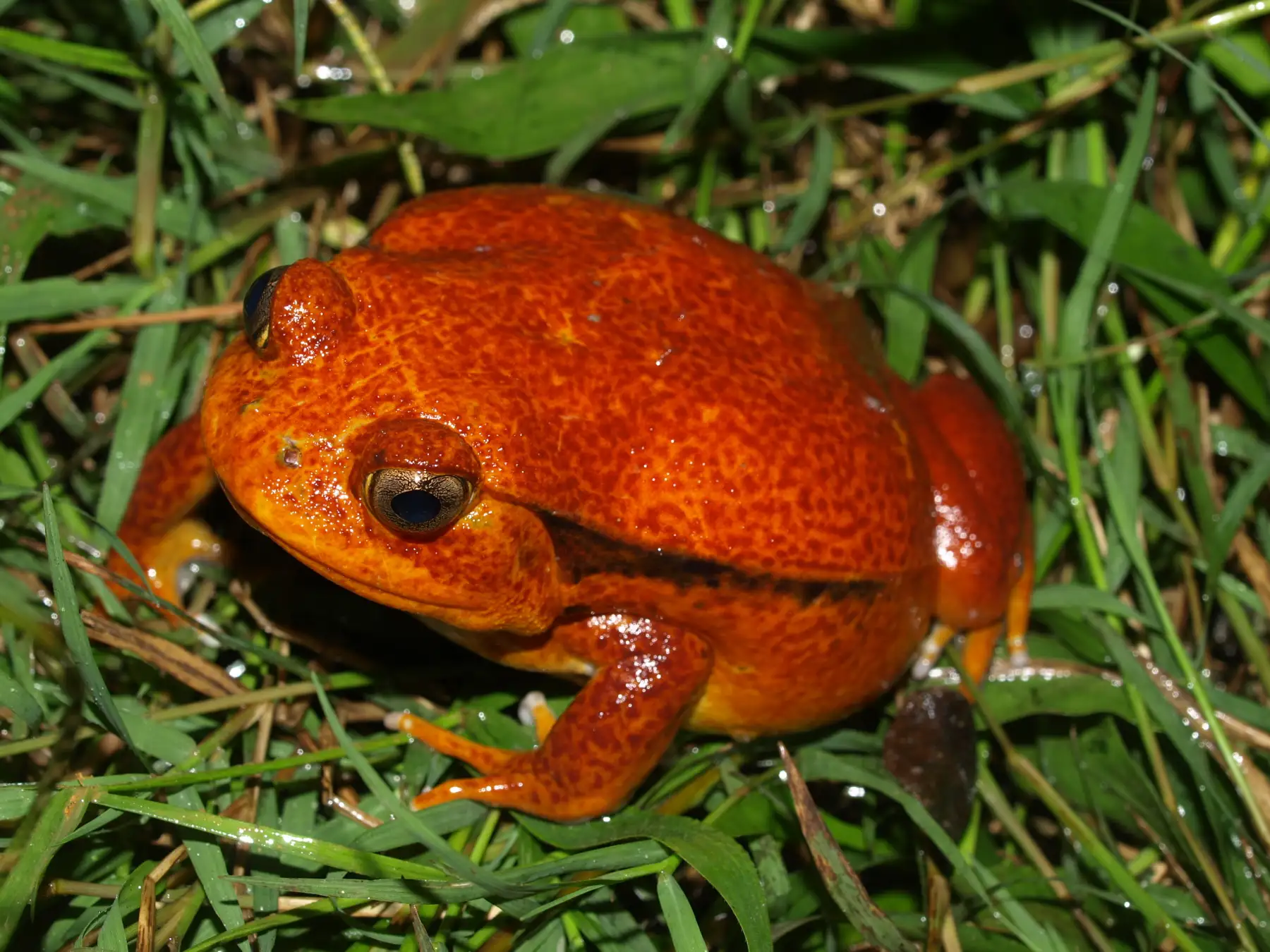 LC
False tomato frog
Dyscophus guineti
Least Concern
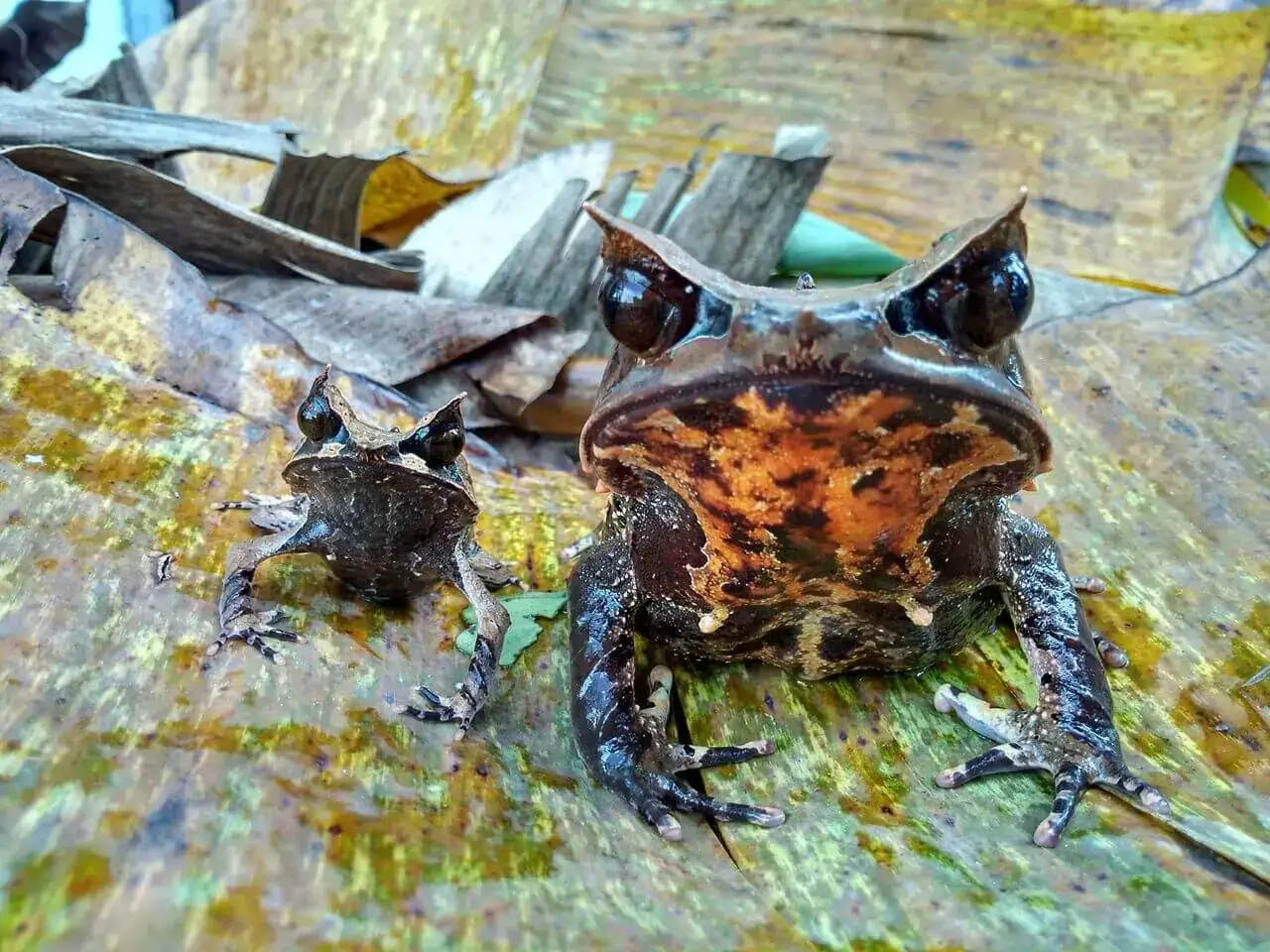 LC
Long-nosed horned frog
Pelobatrachus nasuta
Least Concern
Lizards
In addition to the aforementioned Geckos and Iguanas, the Saurian suborder includes numerous other animals with very similar morphological traits.
Squamates equipped with 4 legs and a fairly long tail, they are all cold-blooded animals characterized by wonderful physical and behavioral adaptations. There are the most famous chameleons, which are distinguished by their bright colors and eyes endowed with independent mobility; the agamids, often equipped with spines along the body to intimidate opponents, as in the case of the Bearded Dragon; the scincids, with reduced or absent legs; and many others, including even the largest varanids and the Gila Monster. Generally quiet in disposition, they are animals that spend most of their day in thermoregulation activity or searching for fruits, vegetables and insects.
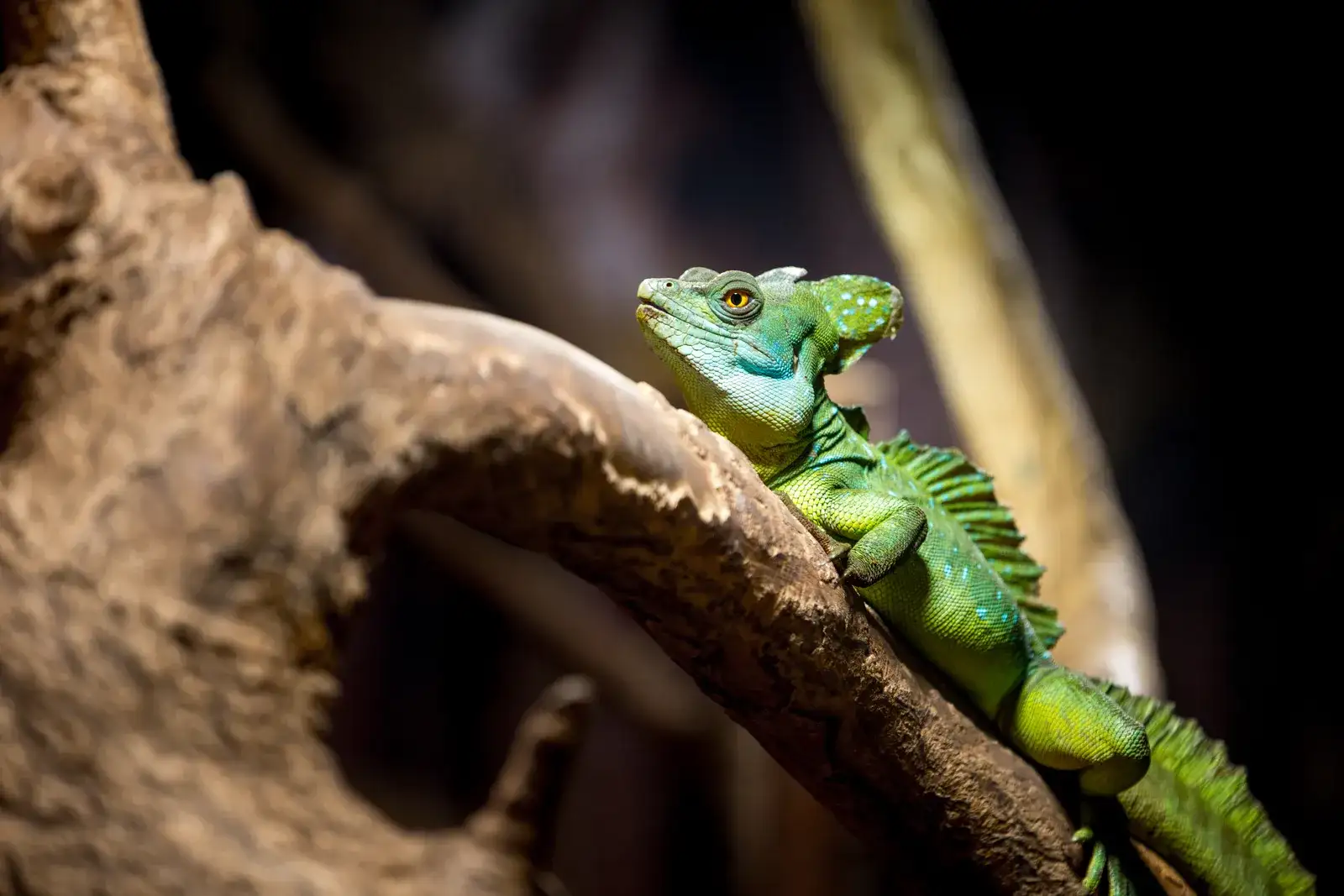 LC
Plumed basilisk
Basiliscus plumifrons
Least Concern
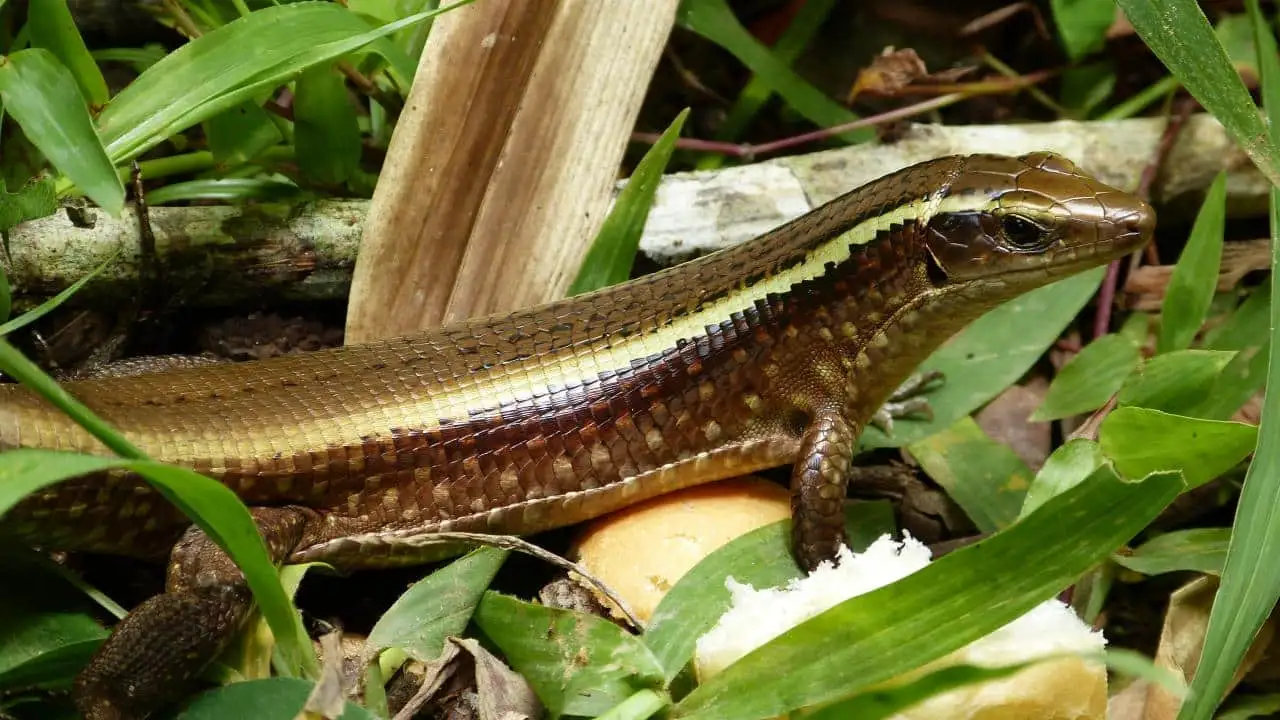 LC
Madagascar girdled lizard
Zonosaurus madagascariensis
Least Concern
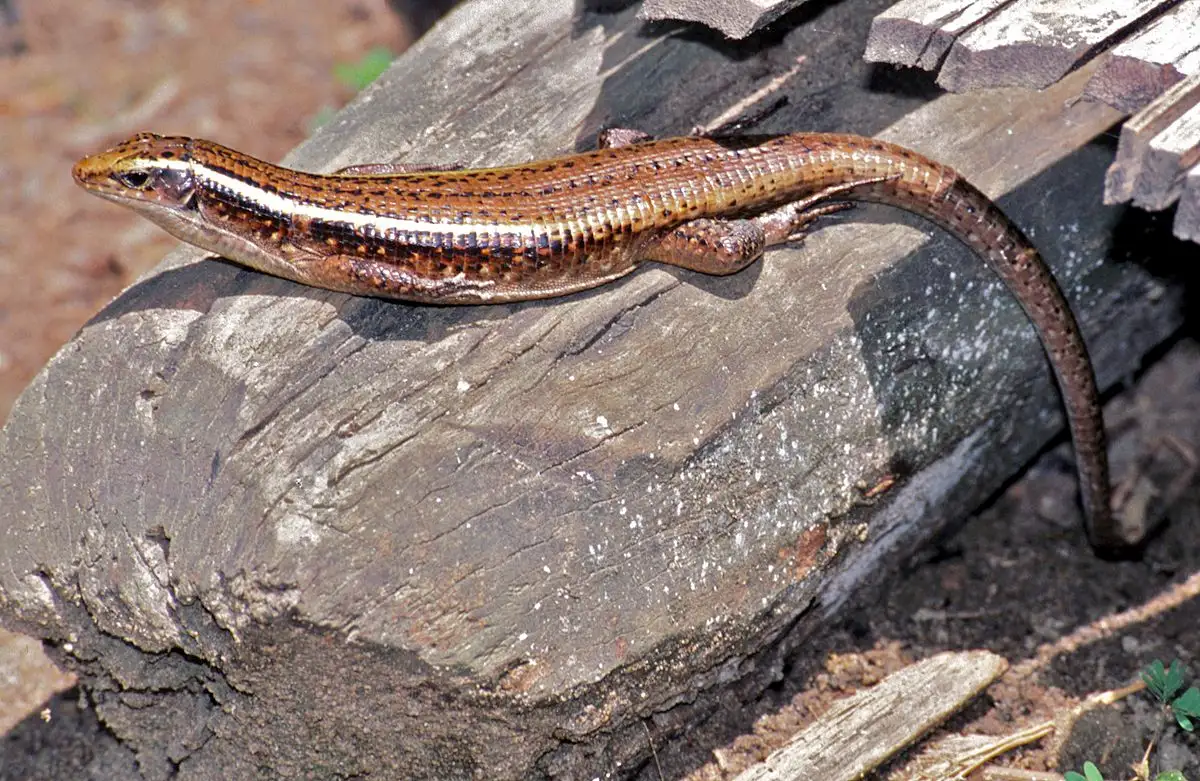 VU
Zonosaurus maximus
Zonosaurus maximus
Vulnerable
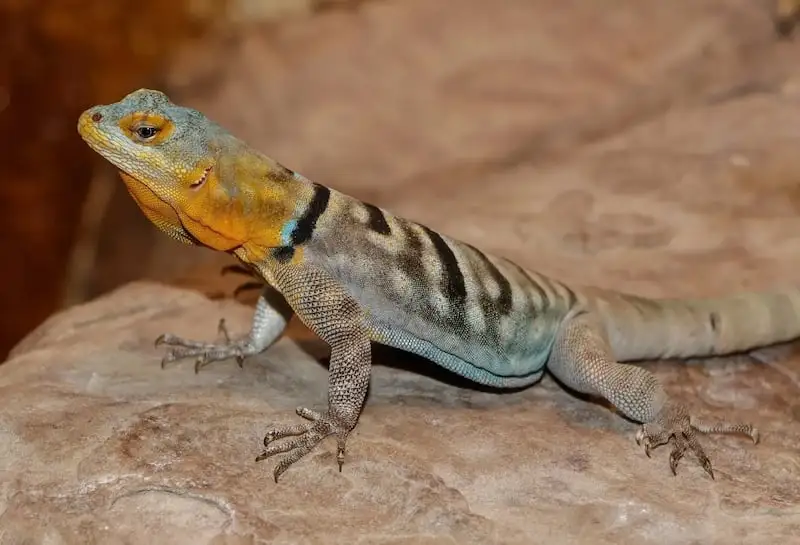 LC
Baja blue rock lizard
Petrosaurus thalassinus
Least Concern
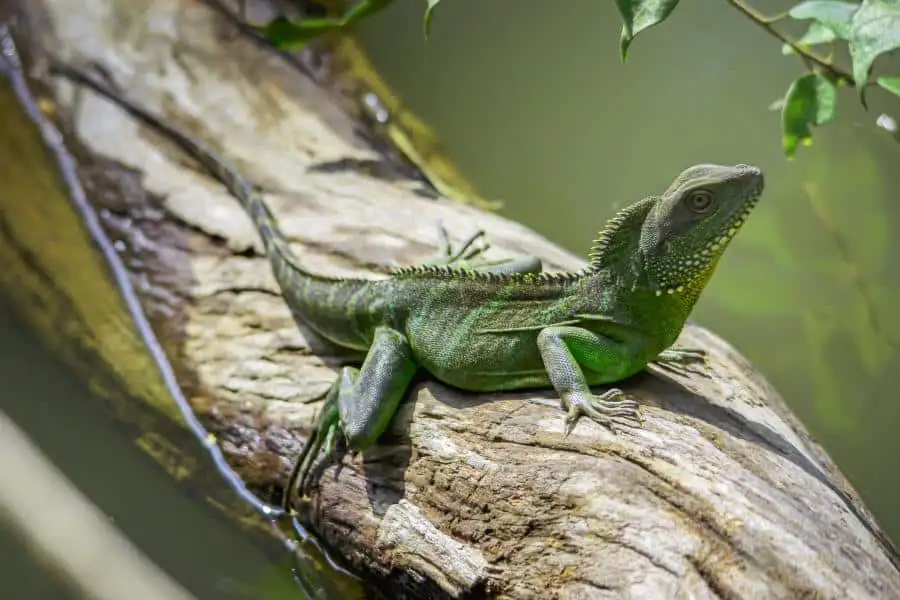 VU
Chinese water dragon
Physignathus cocincinus
Vulnerable
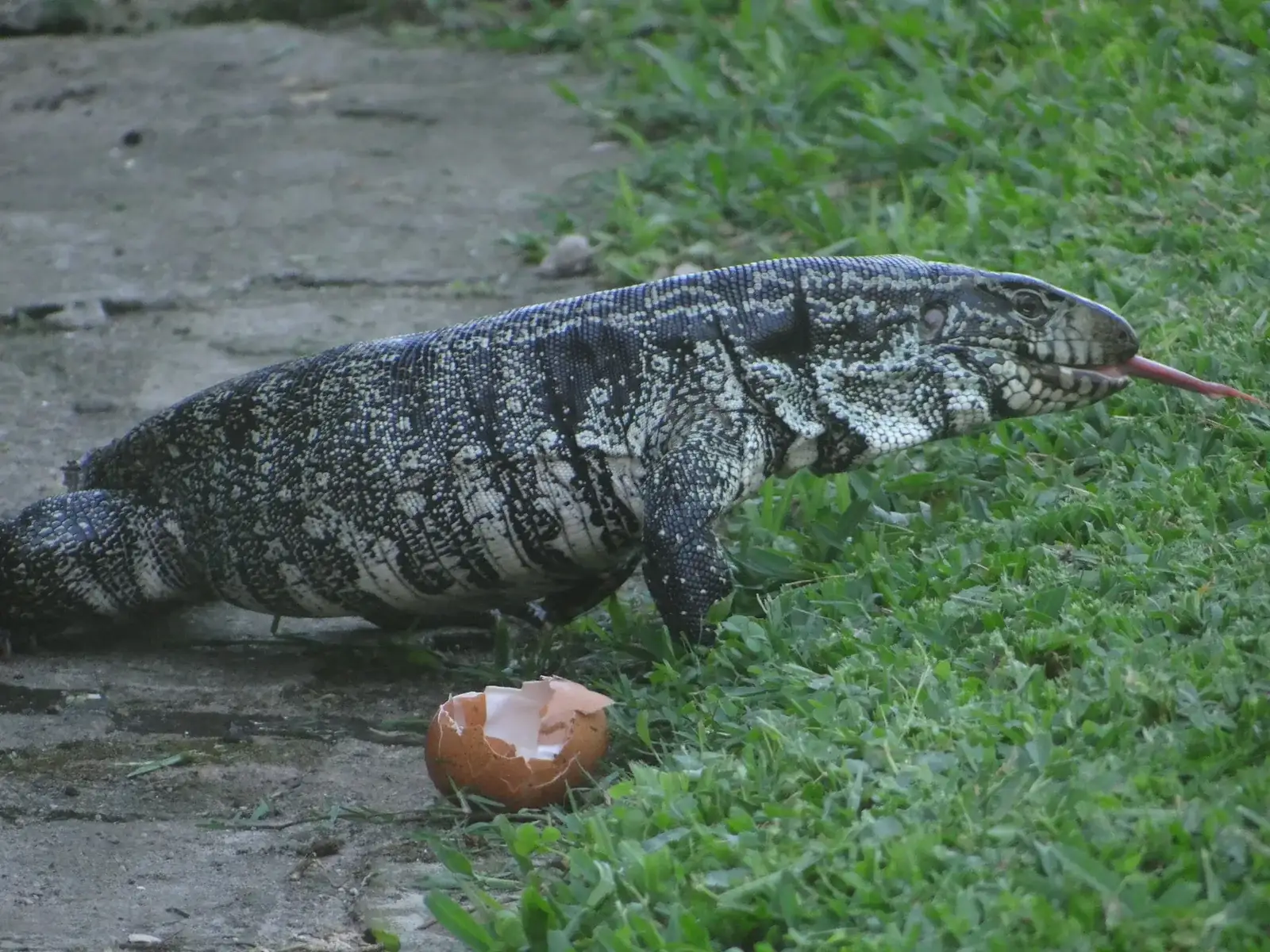 LC
Argentine black and white tegu
Tupinambis merianae
Least Concern
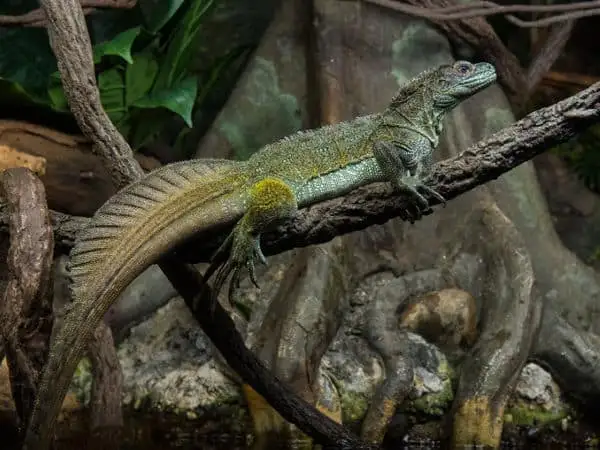 VU
Weber's sailfin lizard
Hydrosaurus weberi
Vulnerable
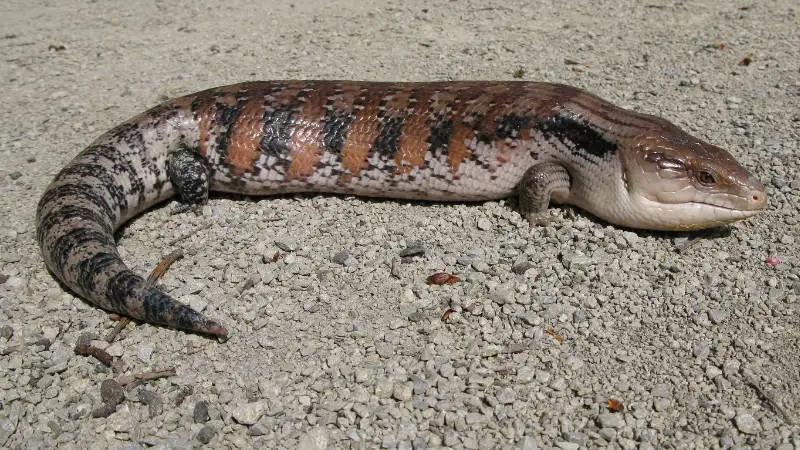 LC
Indonesian blue-tongued skink
Tiliqua gigas
Least Concern
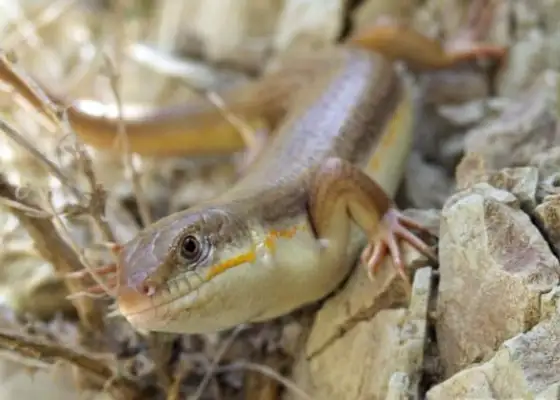 LC
Schneider's skink
Eumeces schneideri
Least Concern
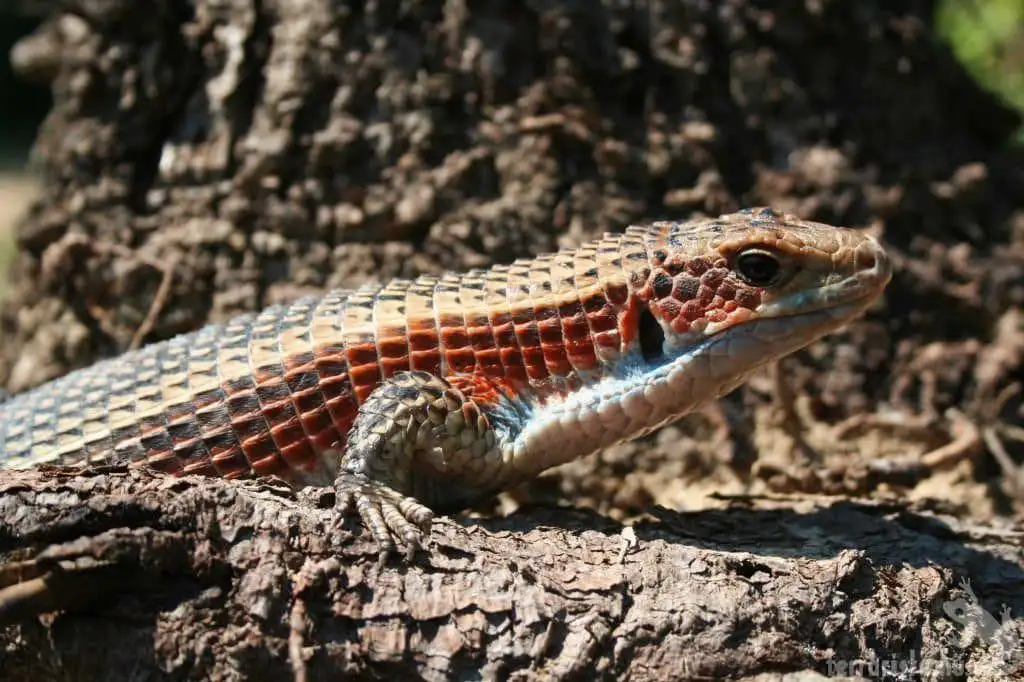 LC
Giant plated lizard
Gerrhosaurus validus
Least Concern
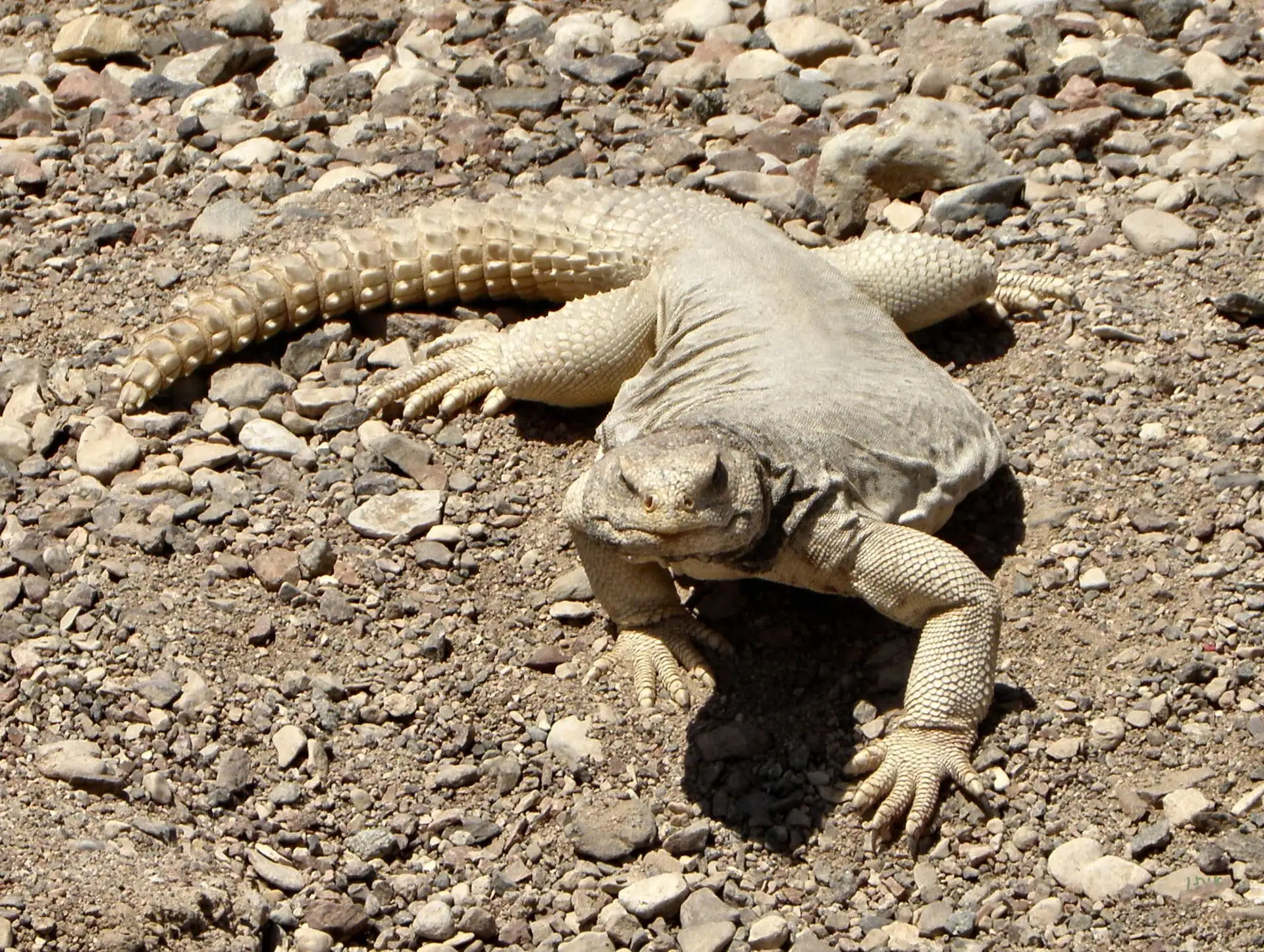 VU
Spiny-tailed lizard
Uromastyx spp.
Vulnerable
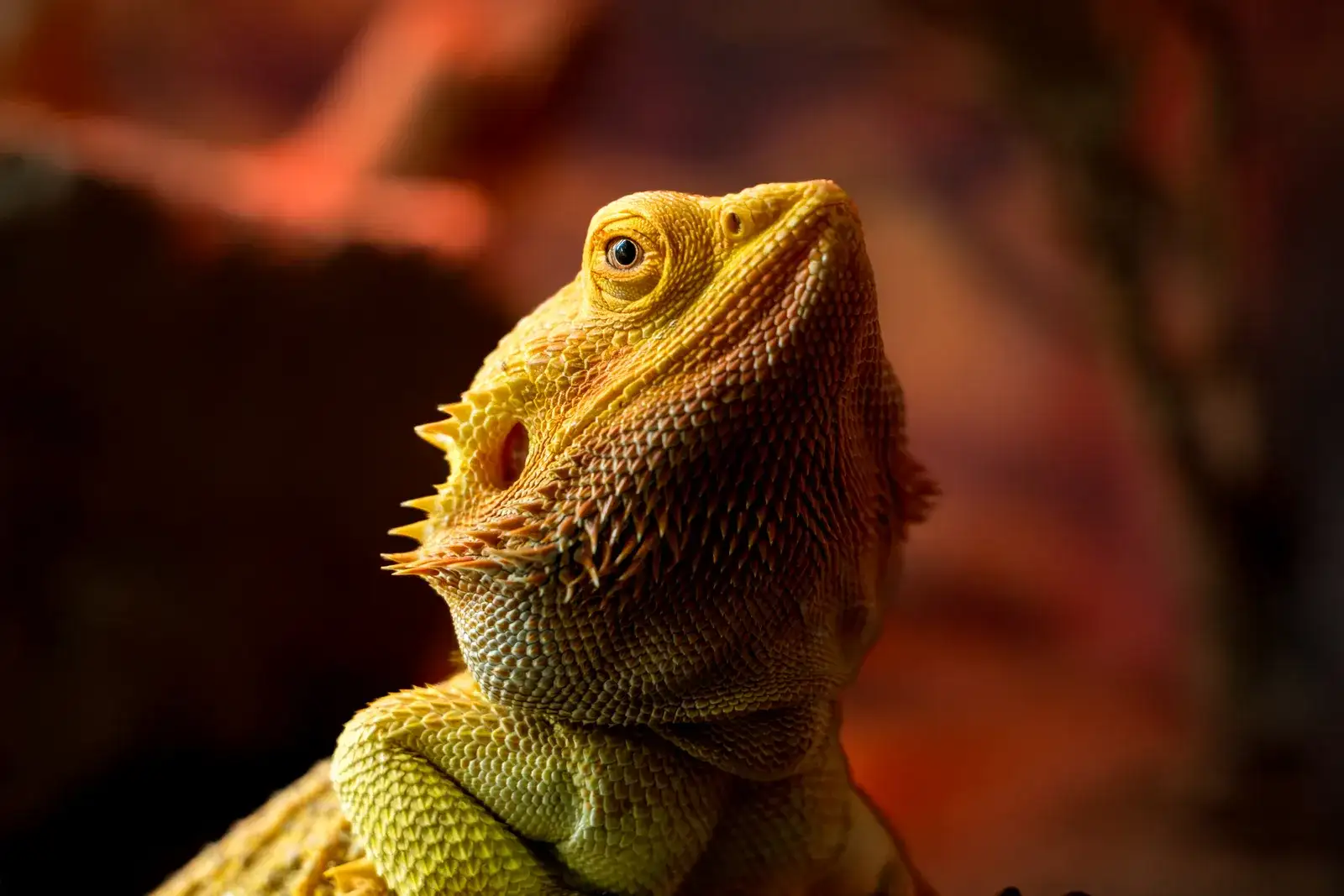 LC
Central bearded dragon
Pogona vitticeps
Least Concern
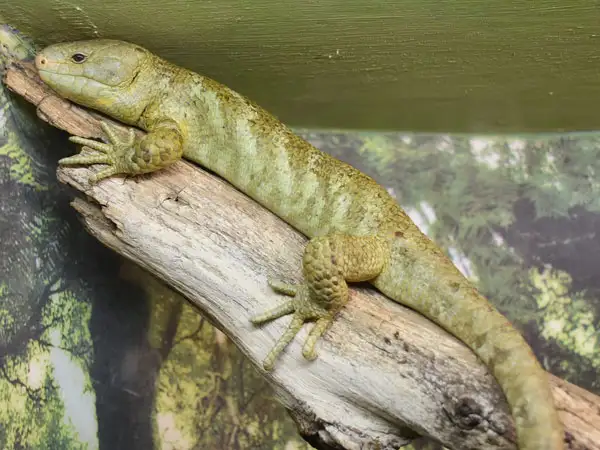 NT
Solomon Islands skink
Corucia zebrata
Near Threatened
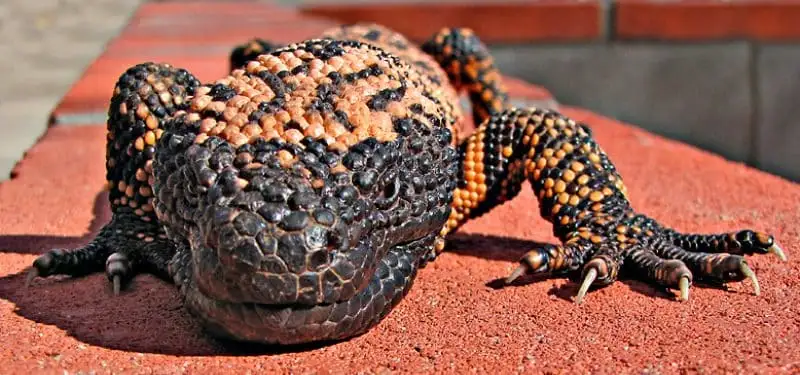 NT
Gila monster
Heloderma suspectum
Near Threatened
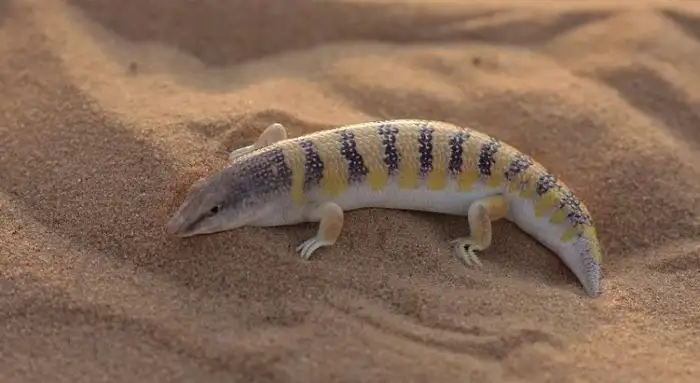 LC
Sandfish
Scincus scincus
Least Concern
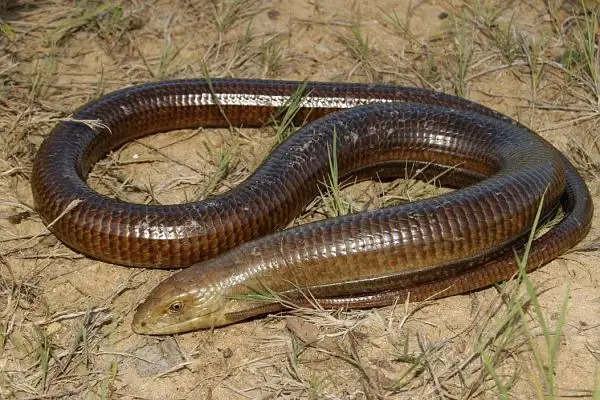 LC
Sheltopusik
Pseudopus apodus
Least Concern
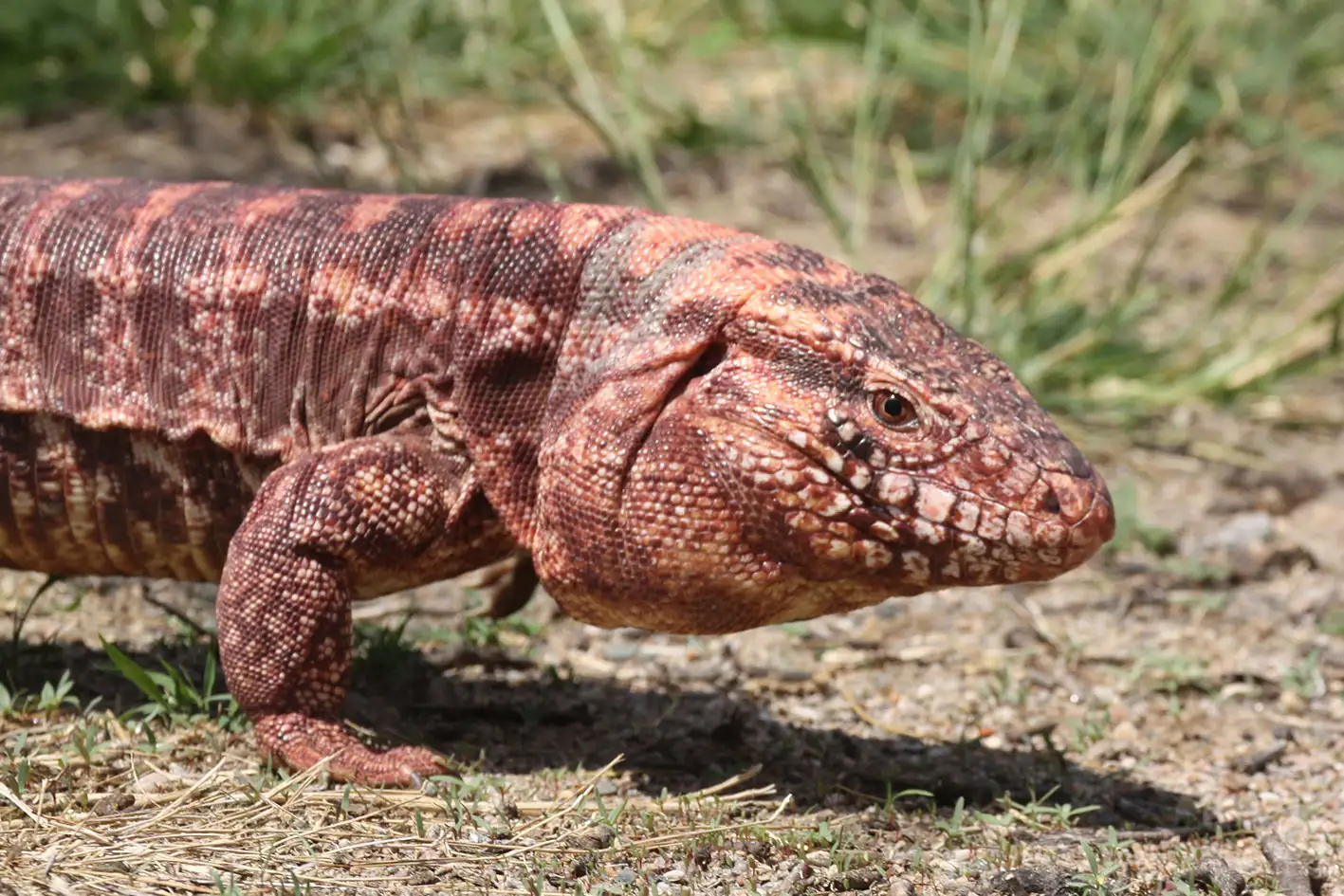 LC
Red tegu
Salvator rufescens
Least Concern
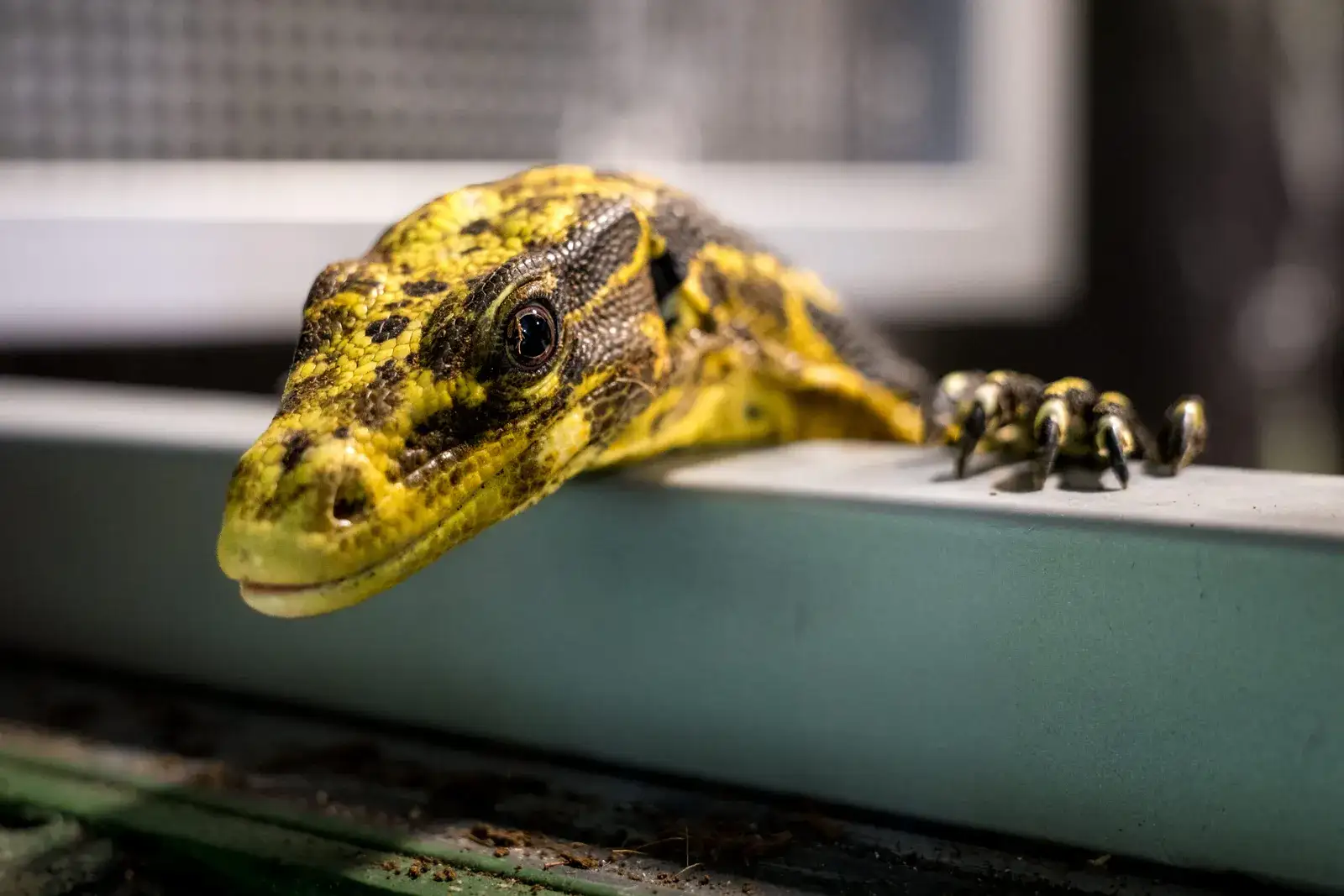 LC
Yellow-headed water monitor
Varanus cumingi
Least Concern
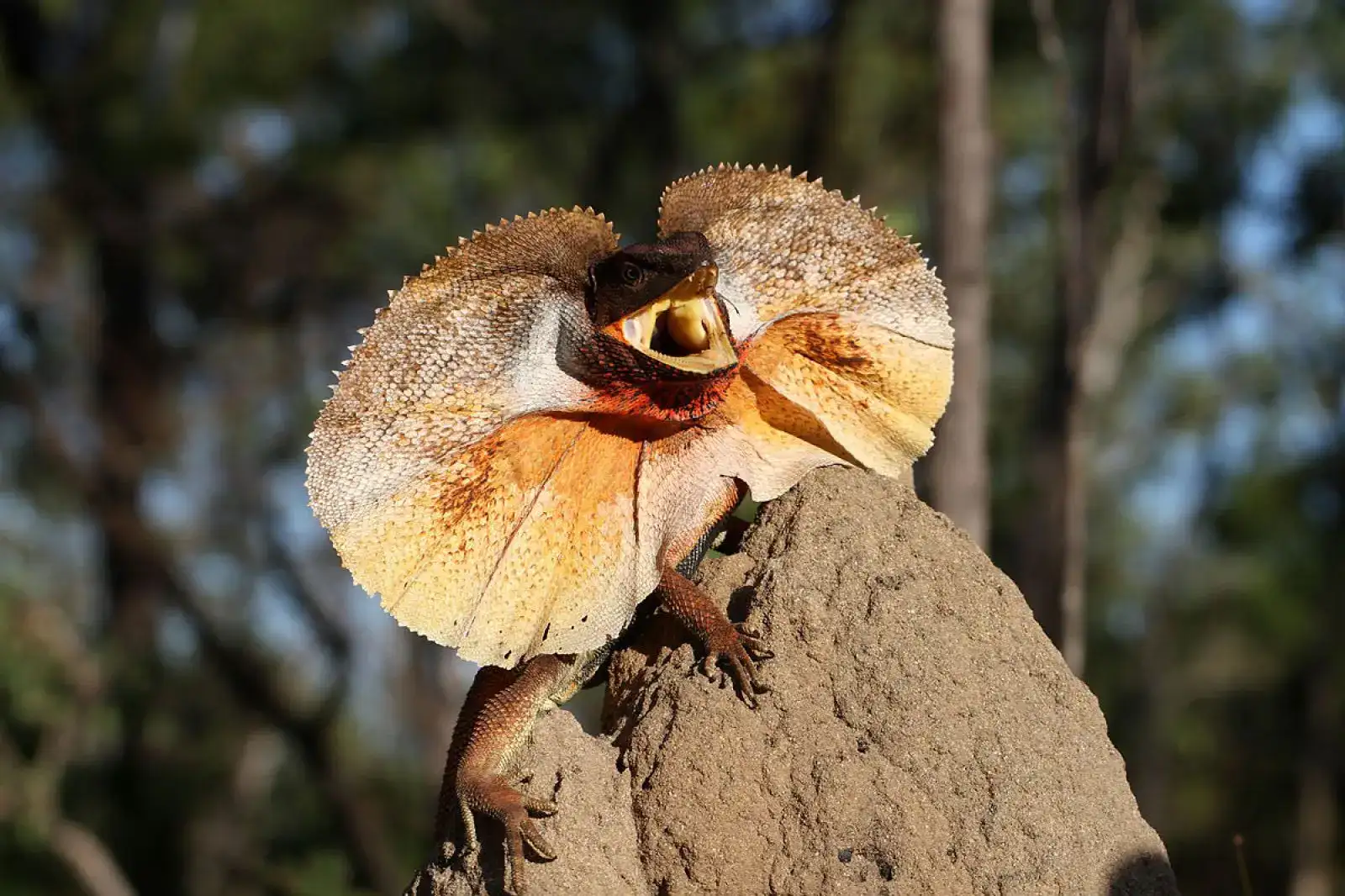 LC
Frilled lizard
Chlamydosaurus kingii
Least Concern
Snakes
When we talk about reptiles, the first animal we all think of is undoubtedly the snake.
However, there are many species of them, very different from each other, all of which share the common feature of having an oblong body, covered with scales and with very small eyes. The latter are, however, compensated for by a decidedly sensitive sense of smell, an essential aid in hunting activities to better locate prey. Strictly carnivorous, they possess a distinctive mouth that allows them to swallow very large prey. By the hunting technique employed, they can be distinguished into constrictor snakes, such as those found at Tropicarium Park, or snakes that use venom, as in the case of viperids. Widespread in much of the world, albeit only in tropical and temperate zones, they show widely varying sizes, ranging from a few tens of centimeters to a maximum of 8-10 m, with a weight that can exceed 150 kg. Finally, to cope with body growth, snakes also perform a process commonly known as "ecdysis" (or "moulting"), by which they change the outermost layer of their skin.
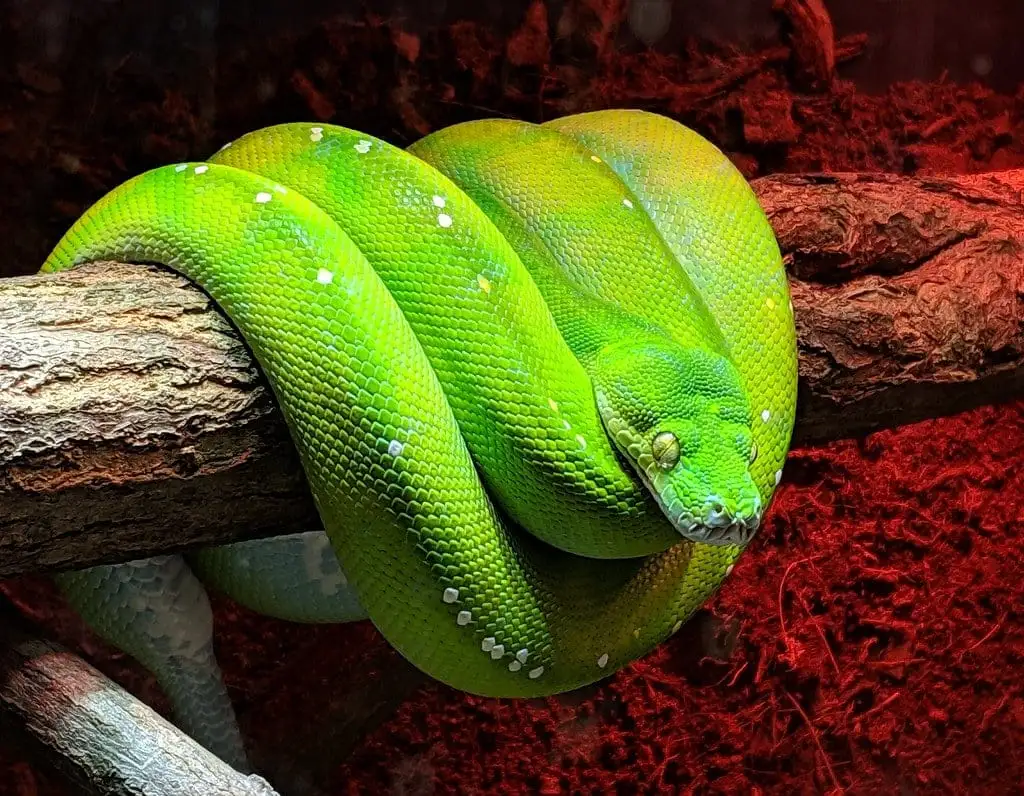 LC
Green tree python
Morelia viridis
Least Concern
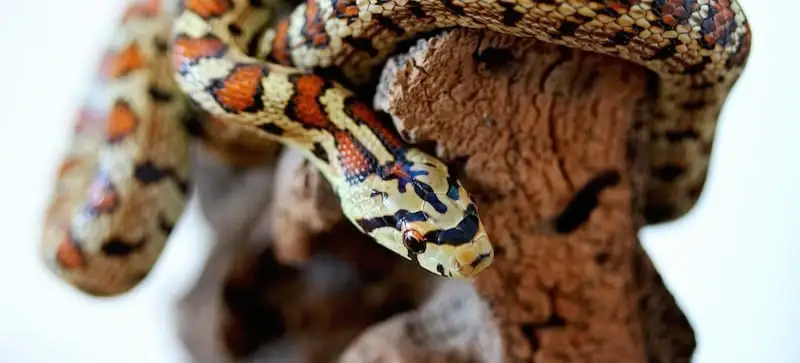 LC
European ratsnake
Zamenis situla
Least Concern
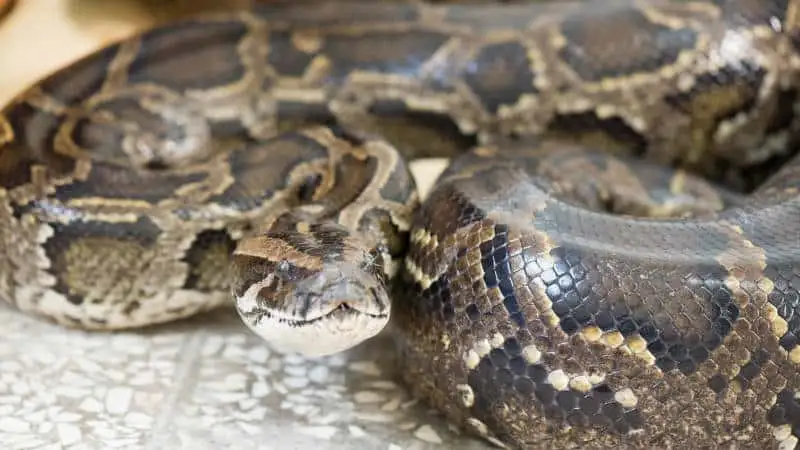 VU
Burmese python
Python bivittatus
Vulnerable
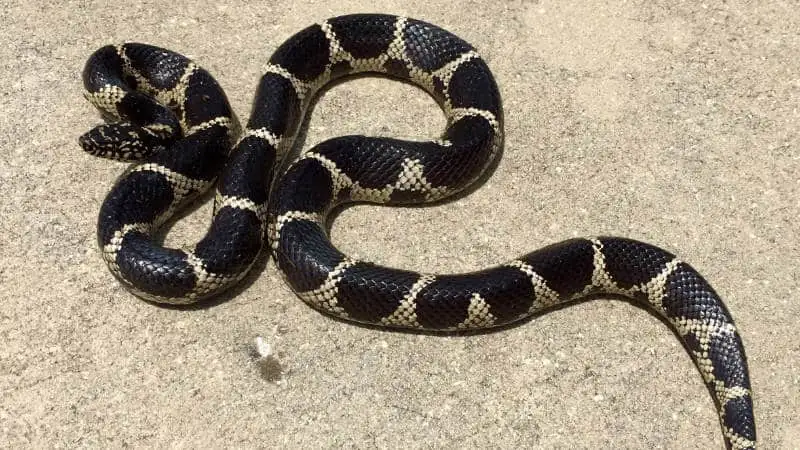 LC
Common kingsnake
Lampropeltis getula
Least Concern
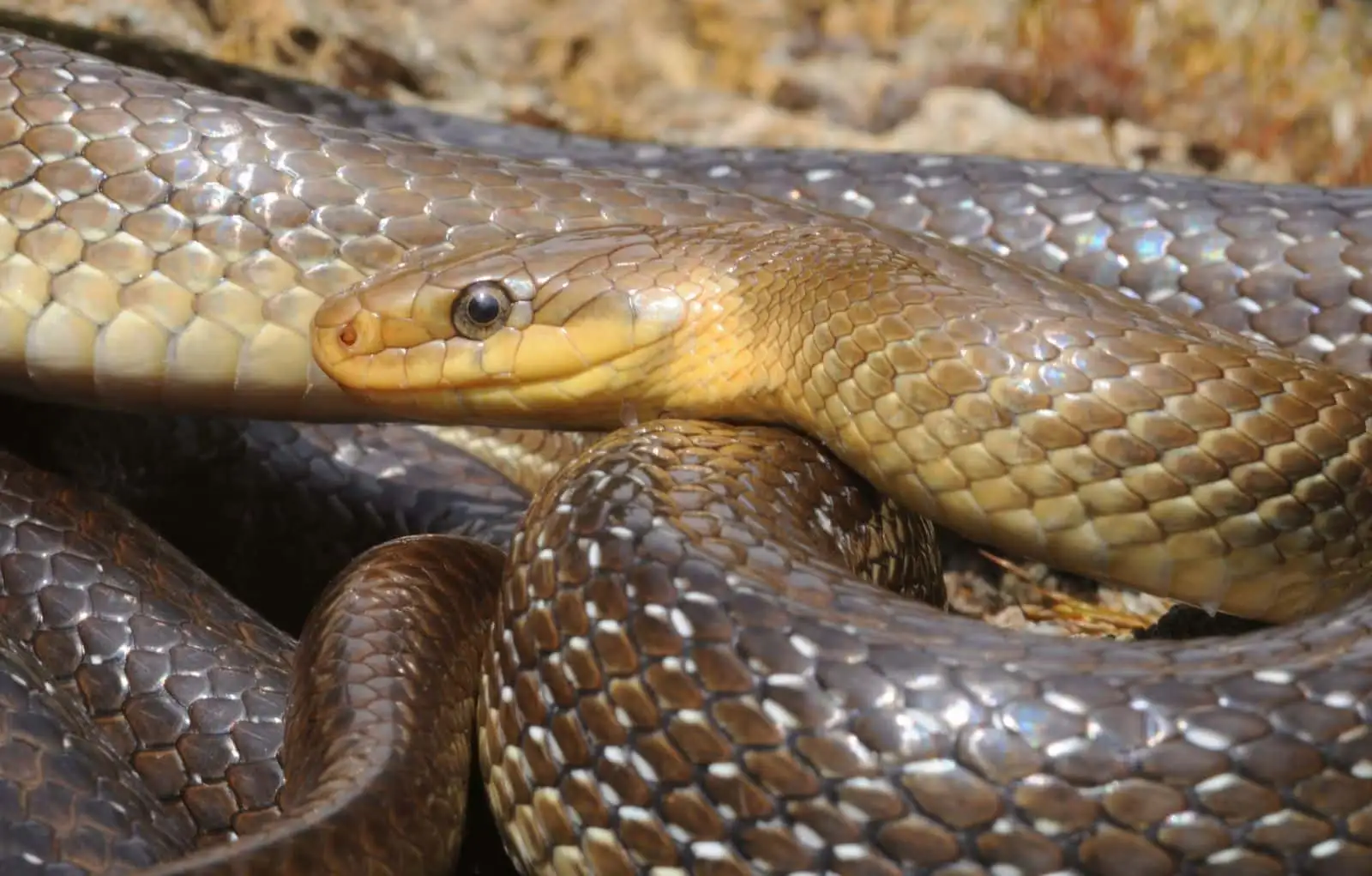 LC
Aesculapian snake
Zamenis longissimus
Least Concern
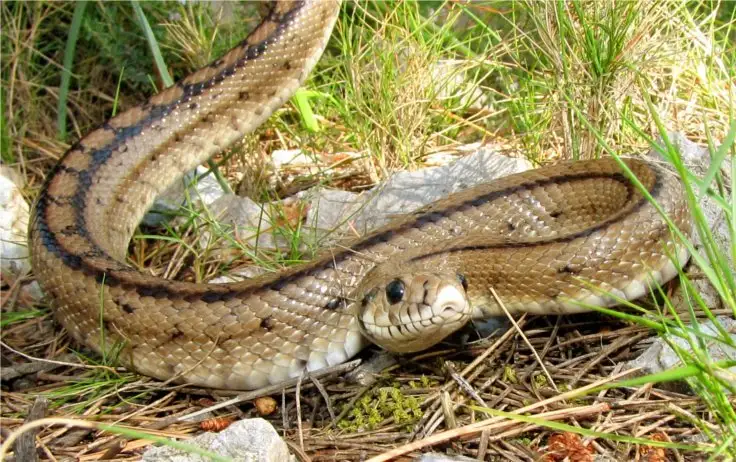 LC
Ladder snake
Rhinechis scalaris
Least Concern
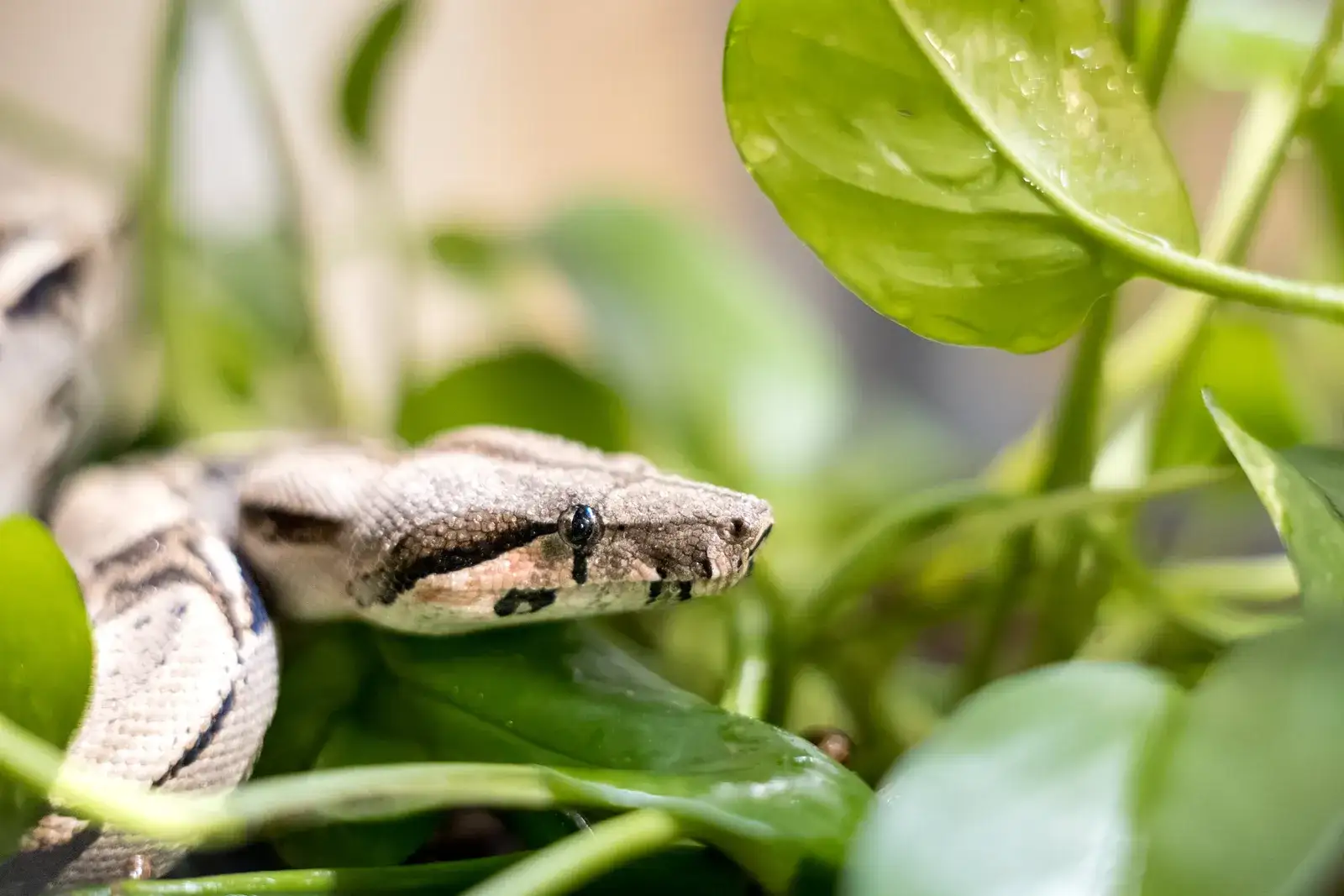 LC
Boa constrictor
Boa constrictor
Least Concern
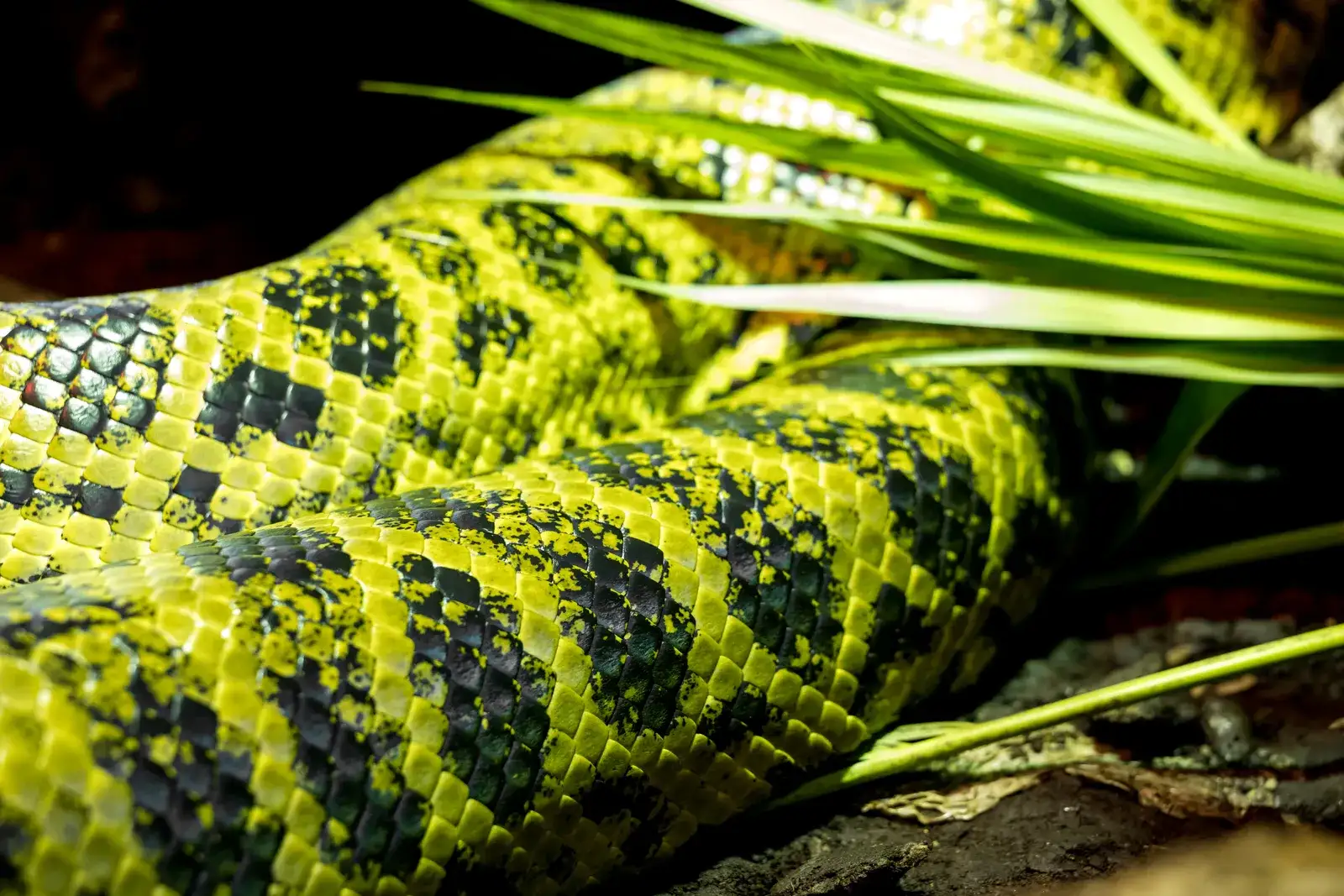 LC
Yellow anaconda
Eunectes notaeus
Least Concern
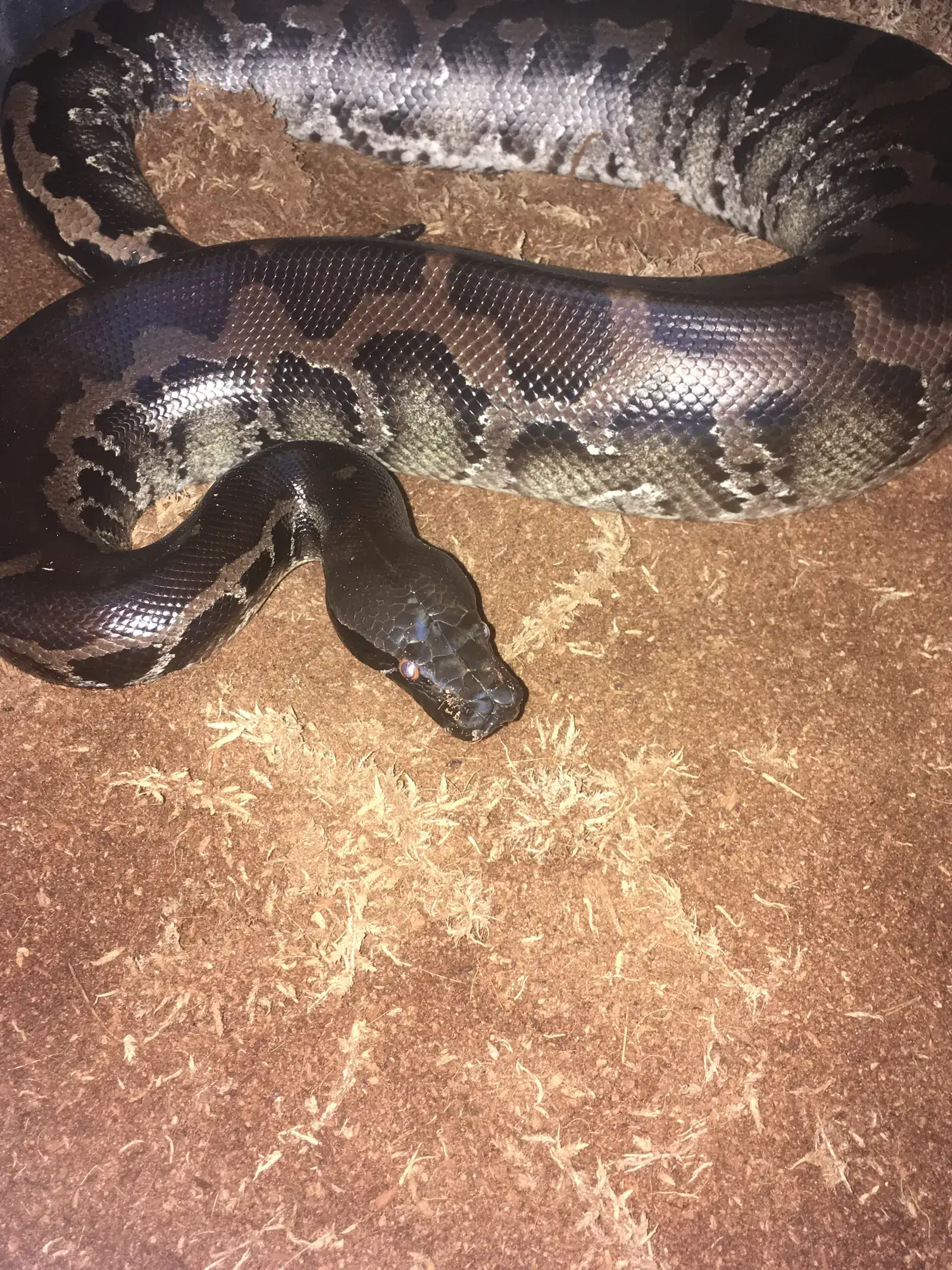 LC
Sumatran short-tailed python
Python curtus
Least Concern
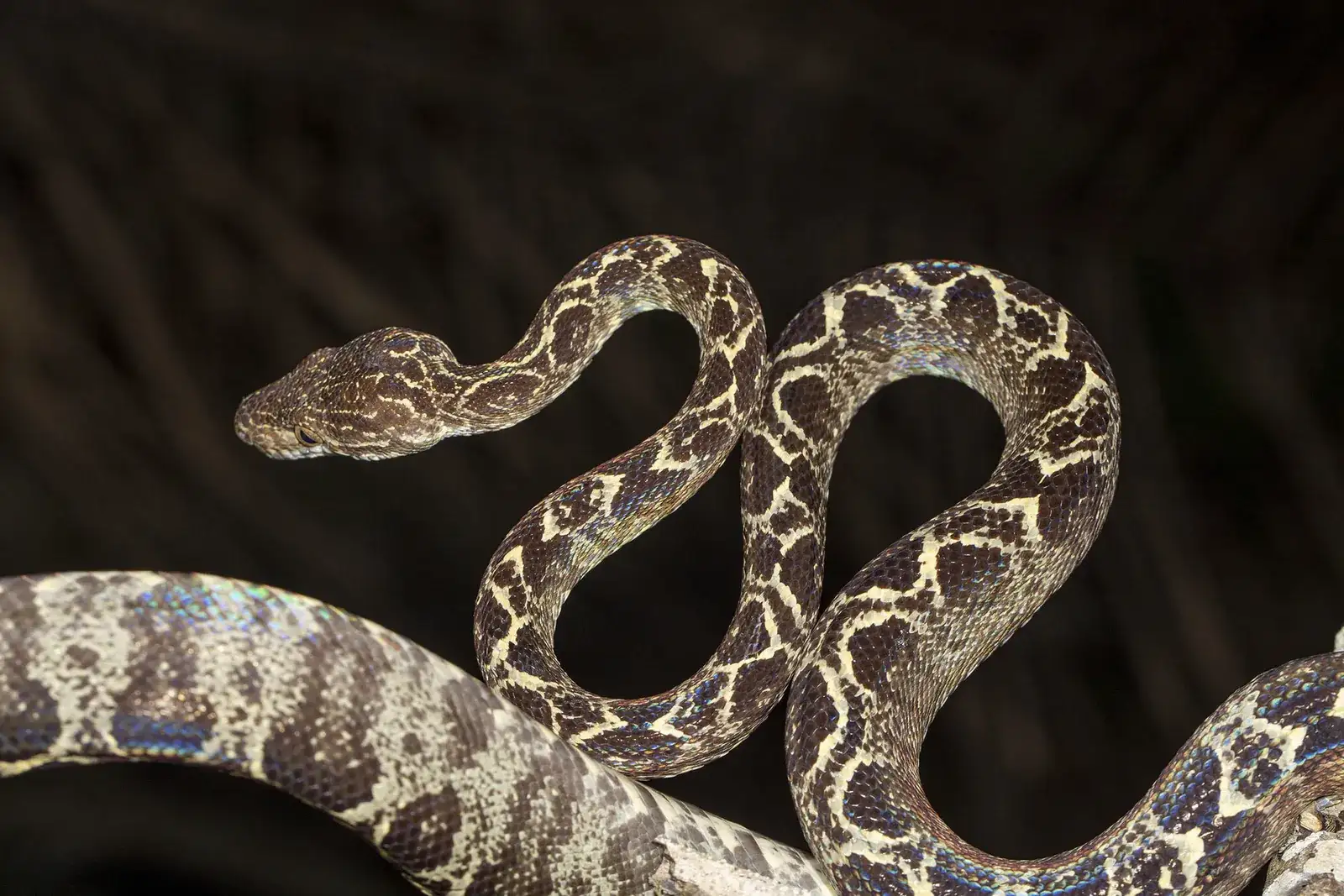 LC
Amazon tree boa
Corallus hortulana
Least Concern
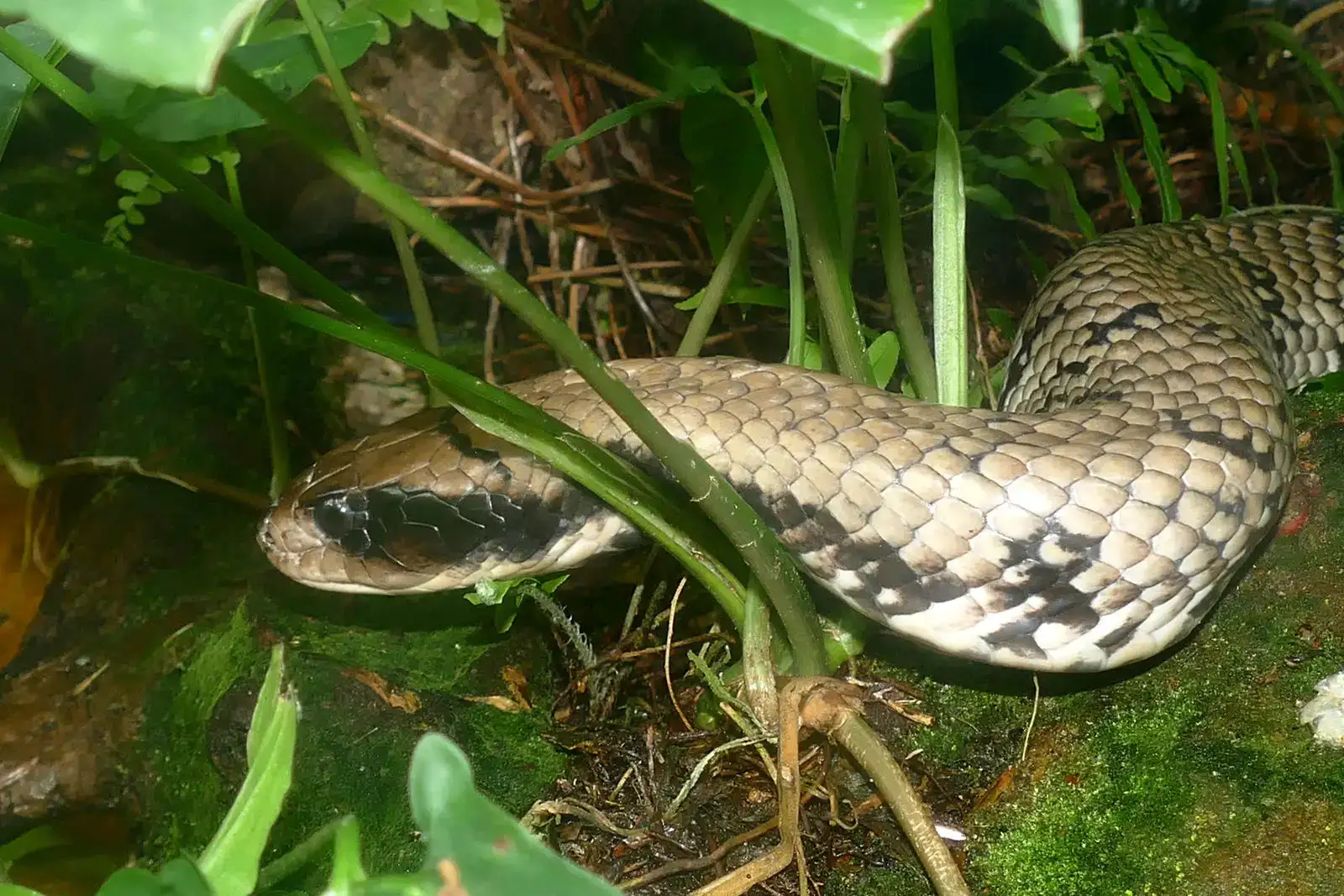 LC
False water cobra
Hydrodynastes gigas
Least Concern
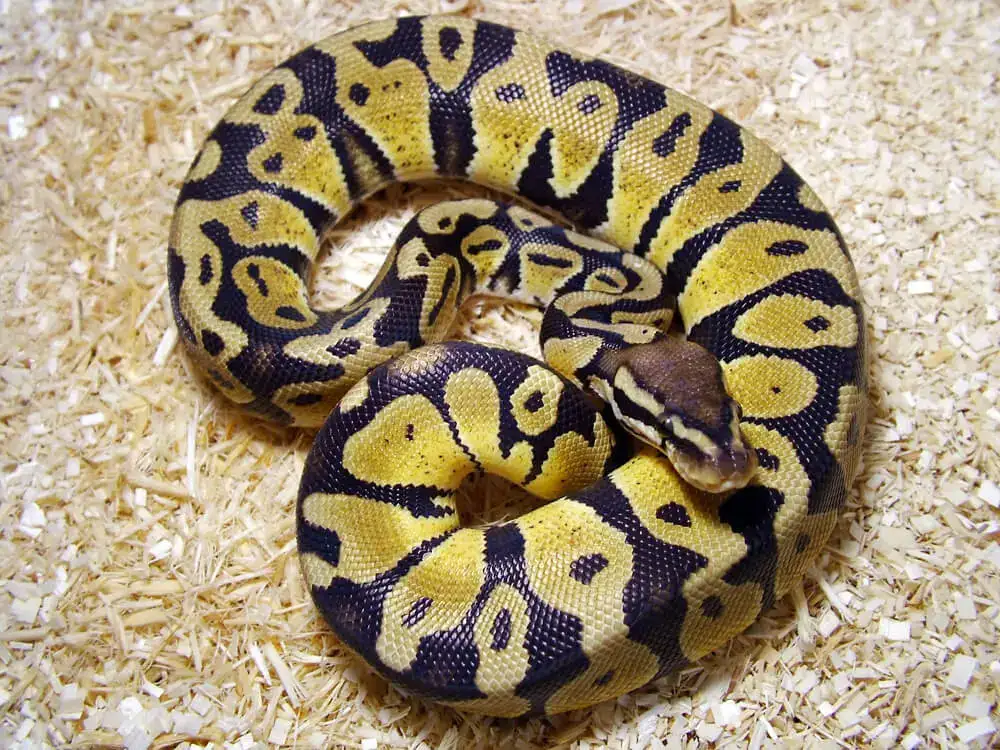 NT
Ball python
Python regius
Near Threatened
Other animals
Numerous animals of other species that do not fit into the previous categories also find homes at Tropicarium Park in Jesolo, discover them all!
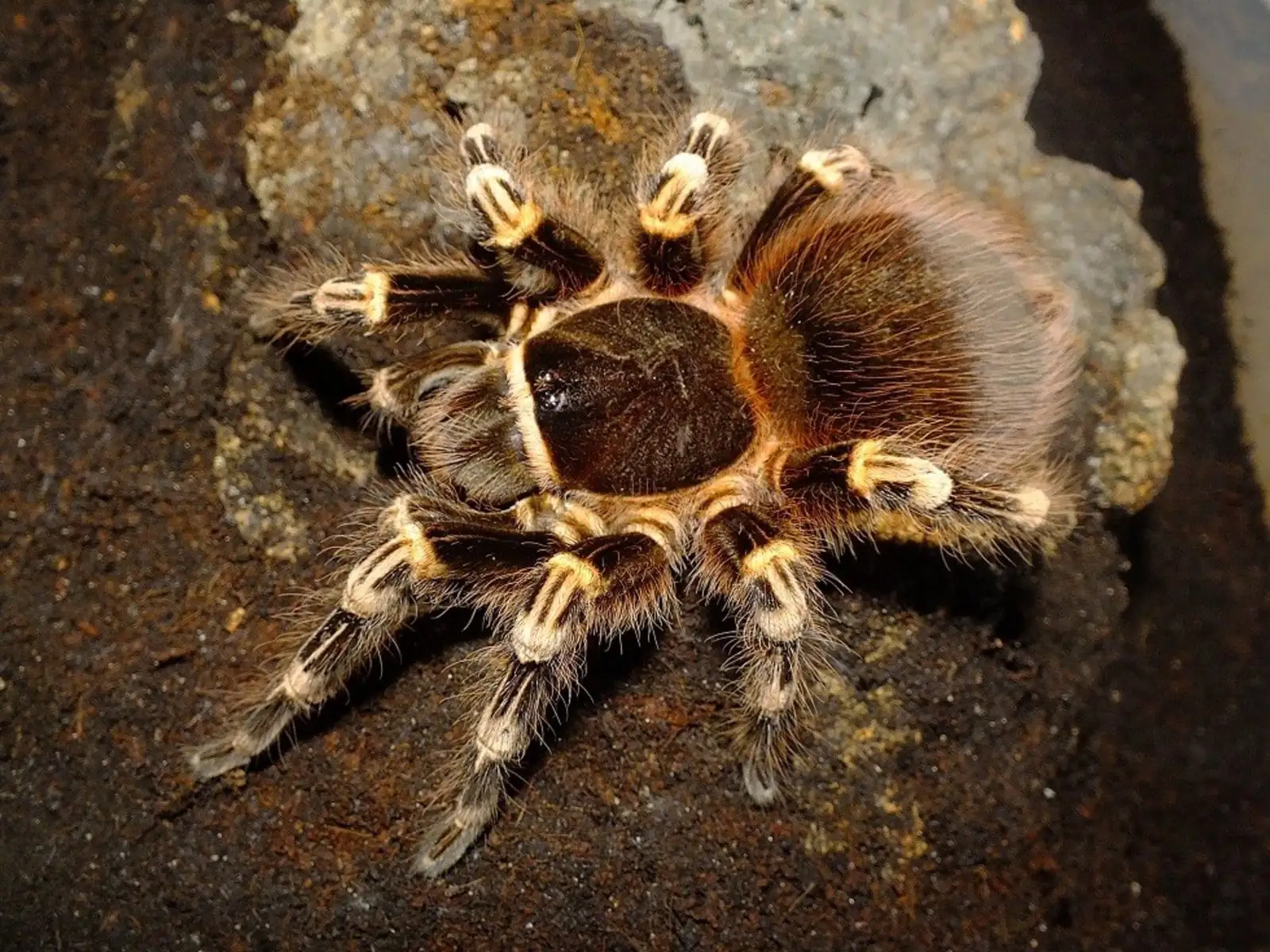 NE
Brazilian whiteknee tarantula
Acanthoscurria geniculata
Not evaluated
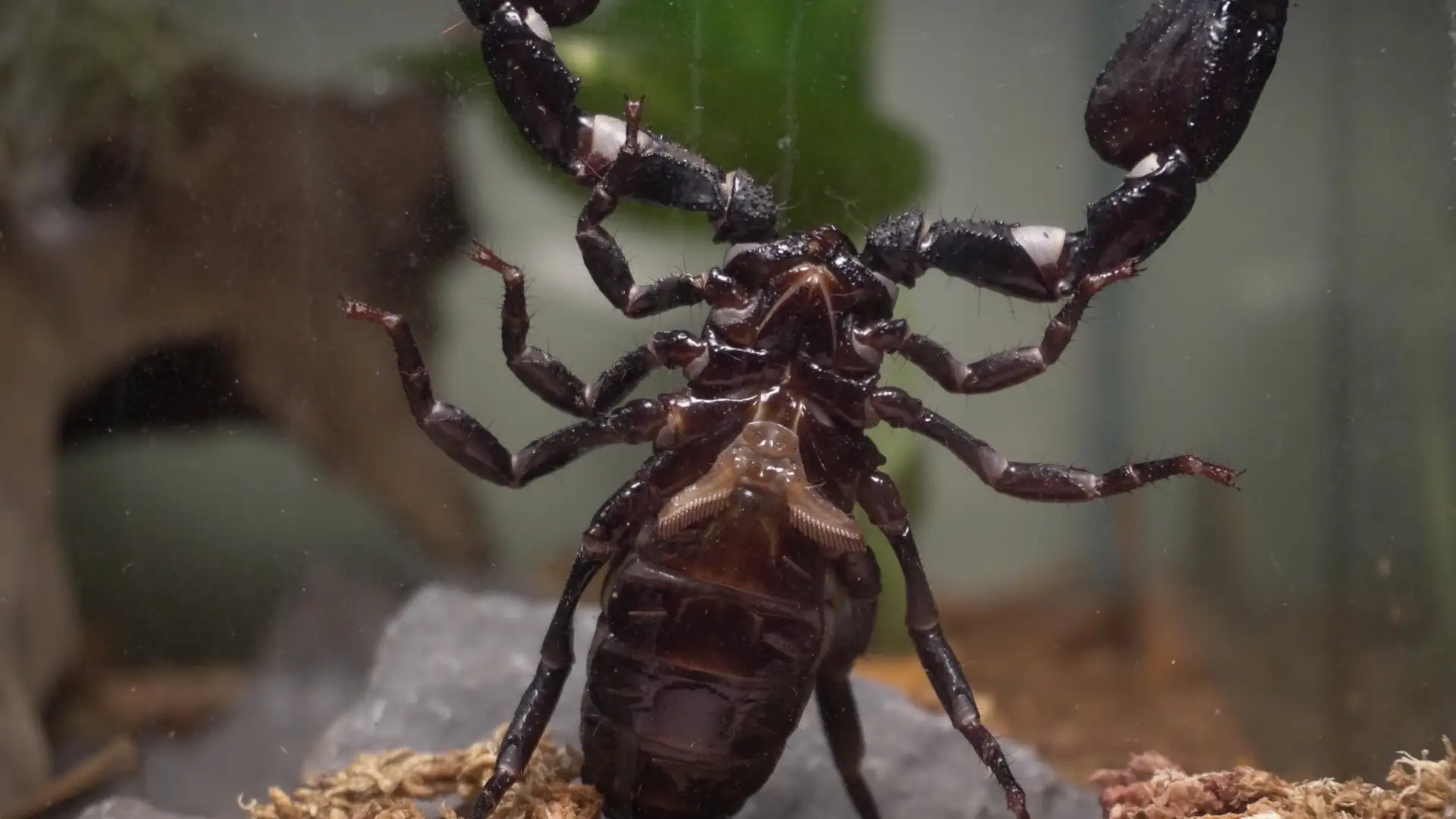 NE
Asian forest scorpion
Heterometrus petersii
Not evaluated
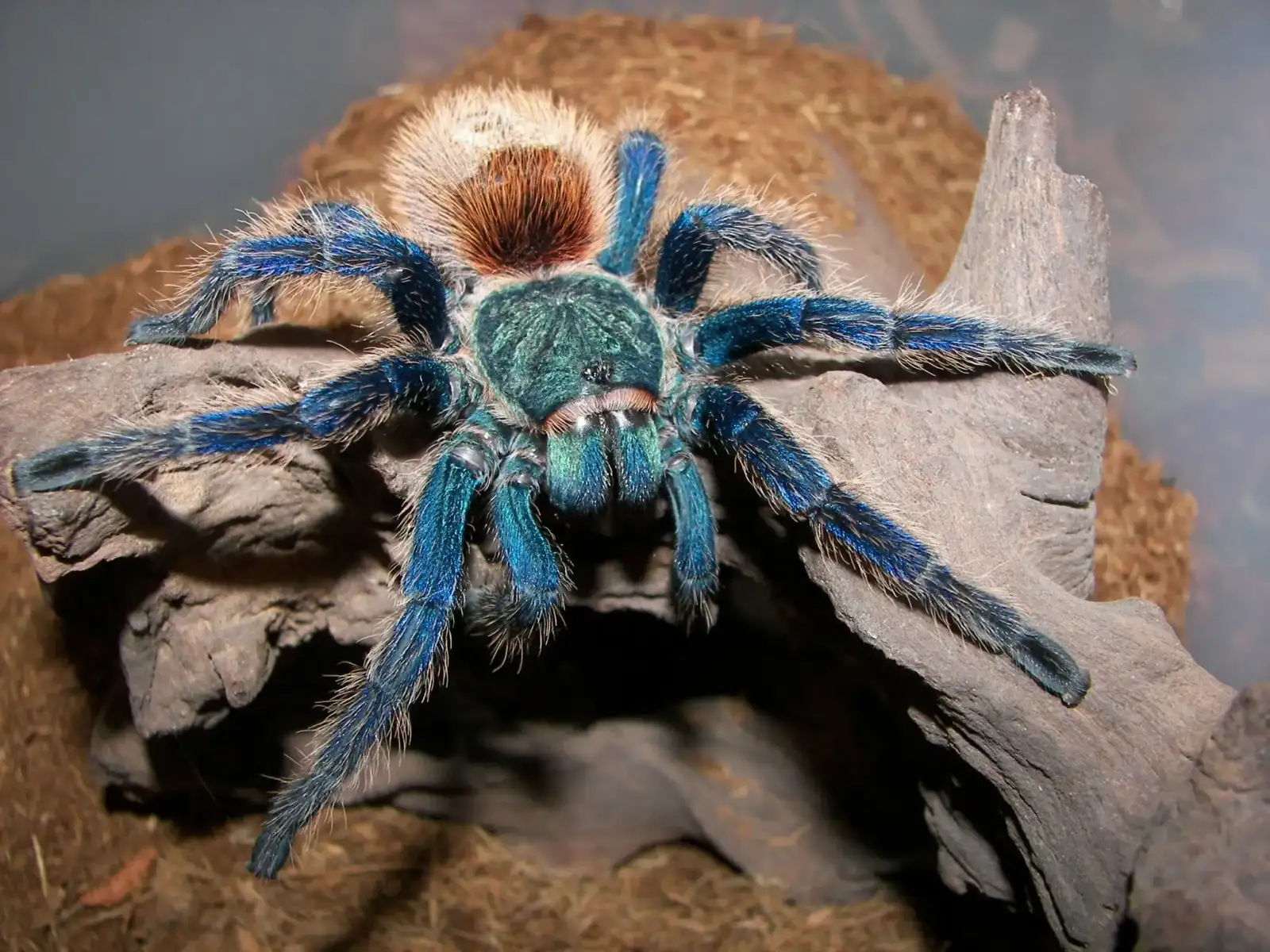 NE
Greenbottle blue tarantula
Chromatopelma cyaneopubescens
Not evaluated
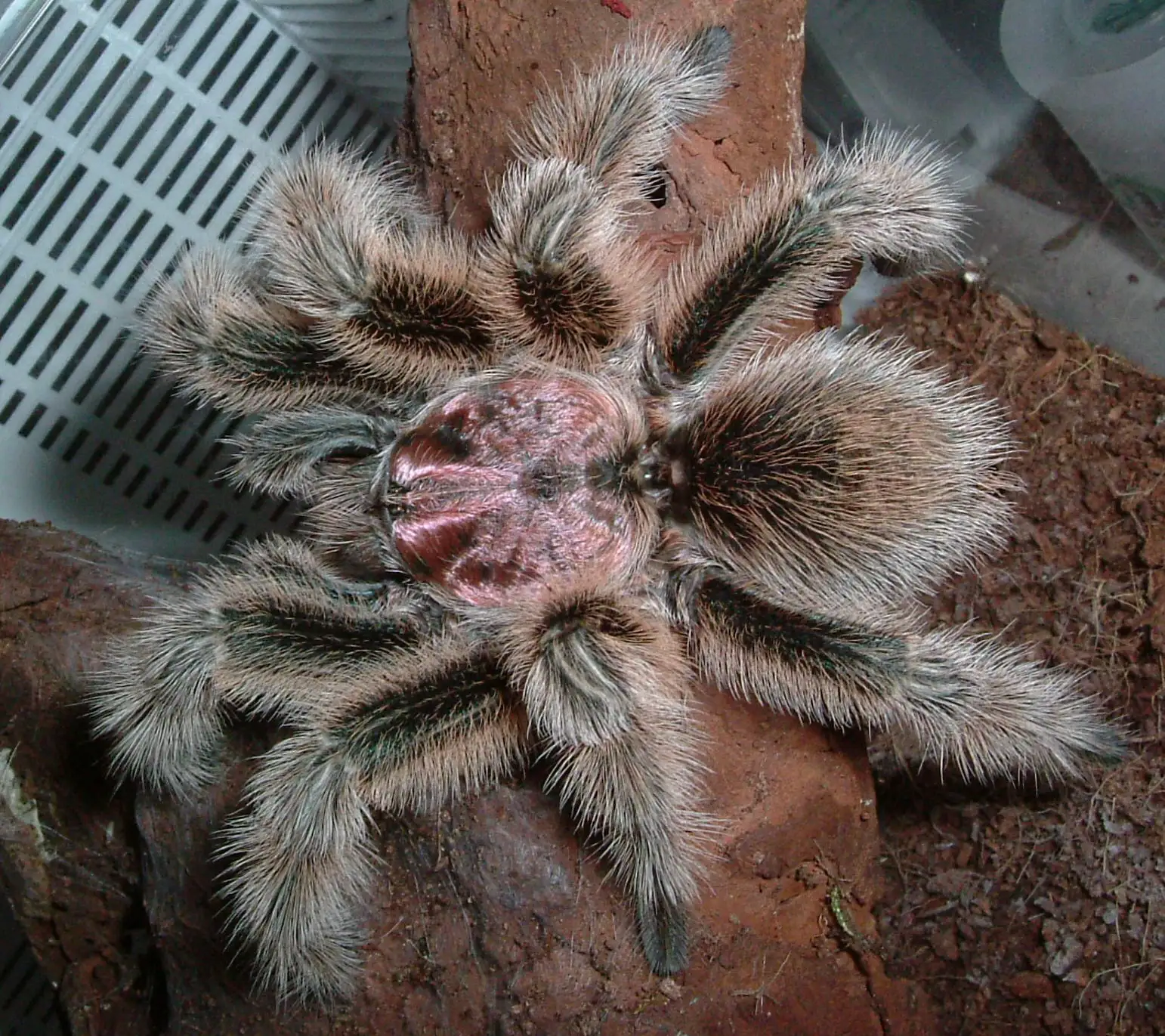 NE
Mexican rose grey tarantula
Tliltocatl verdezi
Not evaluated
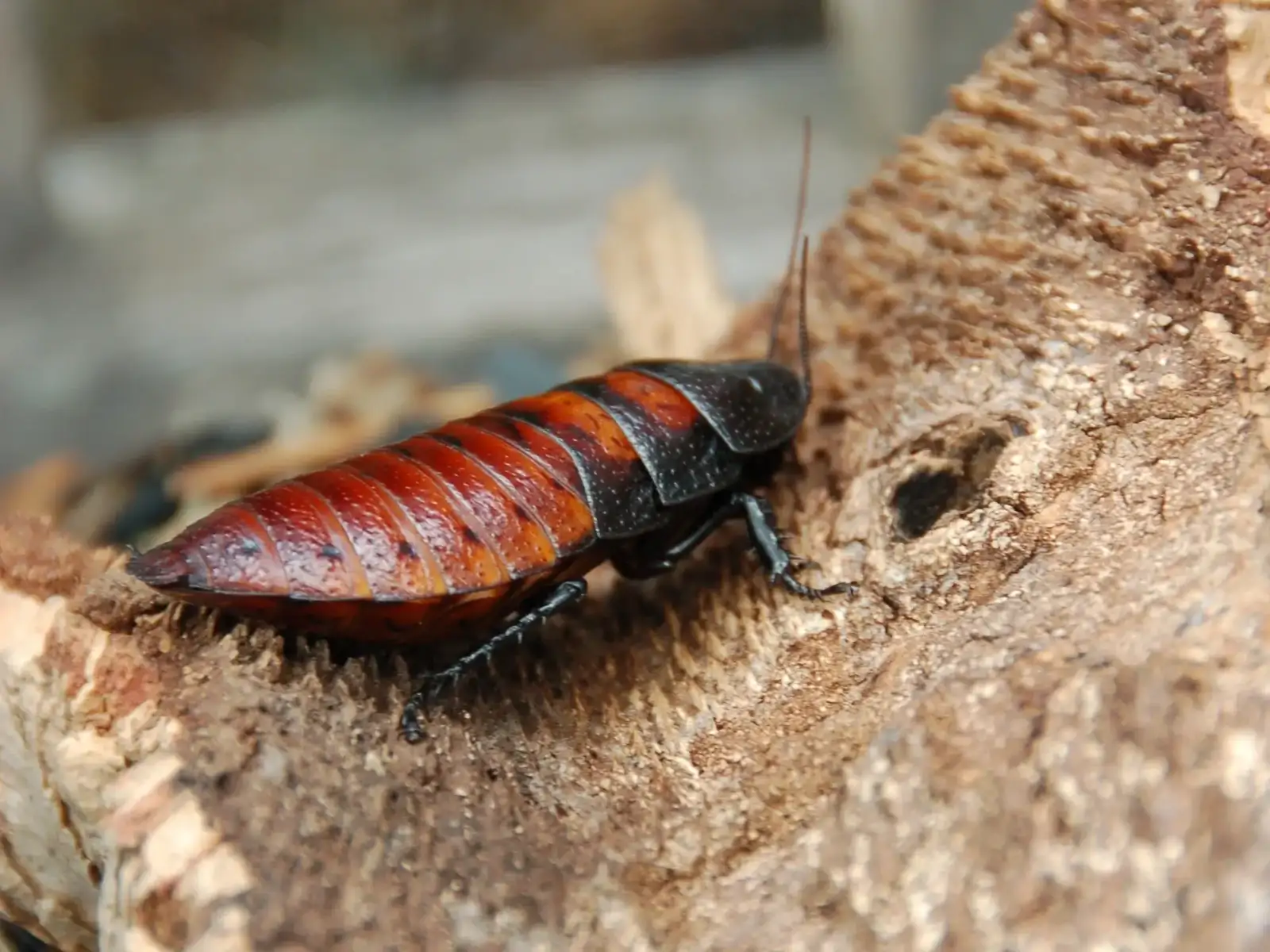 NE
Madagascar hissing cockroach
Gromphadorhina portentosa
Not evaluated