
Hibernation in land tortoises
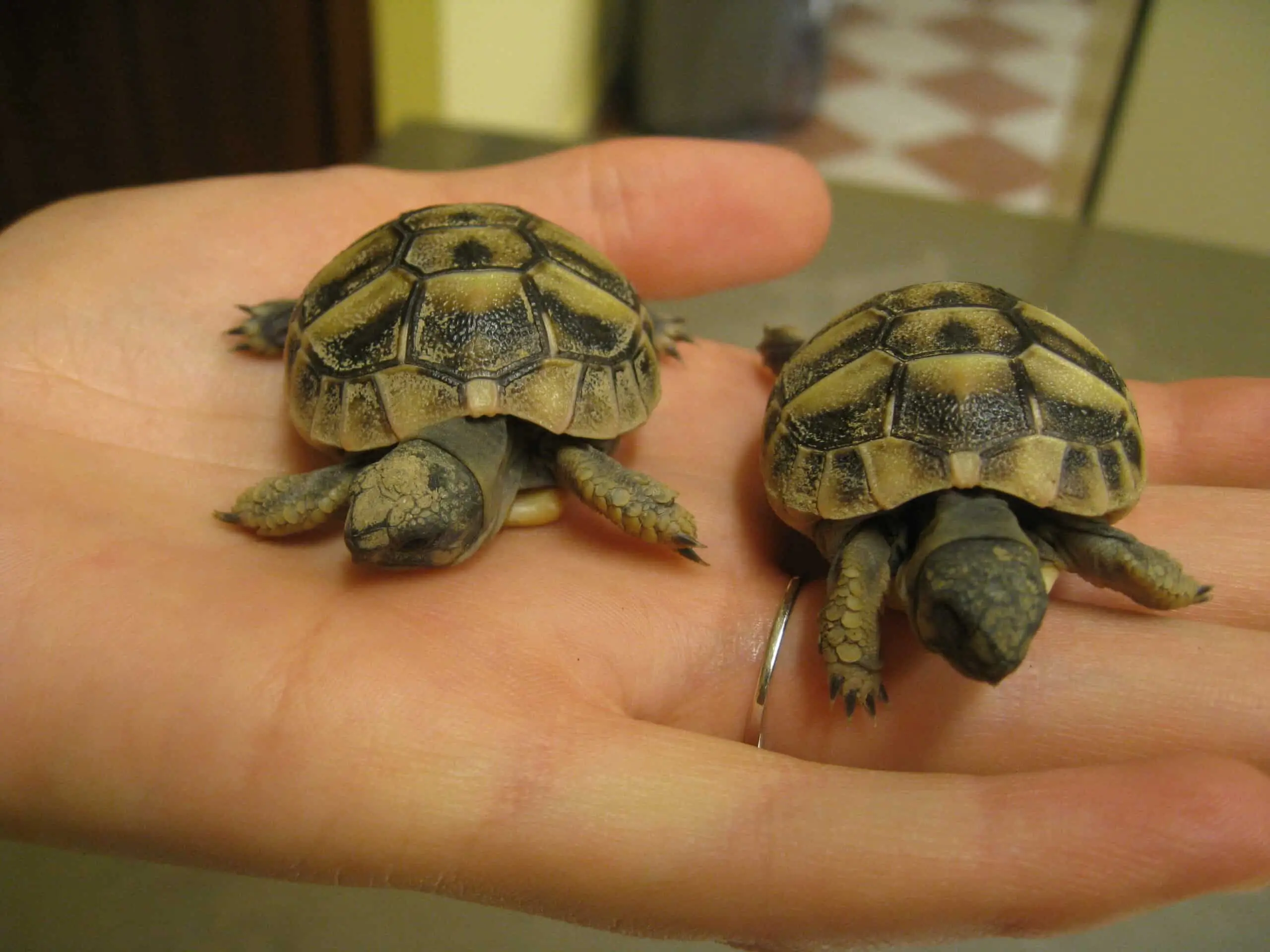
Mediterranean tortoises (Testudo hermanni, Testudo graeca, Testudo marginata) are reptiles very commonly kept in Italian homes.
Many people decide to adopt these animals because they adapt well to today’s hectic lifestyle. They do not need to be taken for walks, they cope well with being alone as they are not social animals, and their care takes up very little time. They make no noise to bother the neighbours, and they can easily be moved when you move house. Land tortoises are intelligent animals and recognise the people who look after them.
These reptiles are native to our climate, meaning that they have been present in our area since the dawn of time, and their metabolism is perfectly adapted to the seasons typical of southern Europe.
Caring for these animals properly means respecting these features, allowing them to hibernate normally and safely every year. Hibernation seems to play a positive role in the proper functioning of the immune system and the reproductive system.
Hibernation is therefore an essential condition for the health of our tortoises, and consists of a gradual slowing of the metabolism that allows them to get through the winter sheltered underground.
Hibernation must be prepared gradually: it can be done outdoors, in the garden, only for animals that have been living in a natural setting for many months, ideally since the first warm days of spring. In this way the tortoise will sense the approach of the cold season and put in place the strategy it needs to prepare for hibernation.
An animal that is to hibernate will go through a long fast, of at least three weeks, to allow its gut to clear out every last bit of food before it goes to sleep.
A suitable place for hibernation should be an area of the garden where rainwater does not collect, ideally near a boundary wall or under plants. The surface of the soil can be loosened and mixed with river sand and peat to make burrowing easier. Once the animal has buried itself, it helps to cover the area with a thick layer of straw and dry leaves to reduce the risk of freezing.
If hibernation takes place indoors, it is essential to lower the temperature gradually until, over a few weeks, it reaches 6–10 °C. Higher temperatures, such as those in garages or in rooms inside the house with the heating off (about 15 °C), do not allow proper hibernation. The animal is in fact not warm enough to move and eat, but its metabolism is still active, so it uses up a lot of energy. Animals kept at unsuitable temperatures often lose a lot of weight during hibernation and become prone to infections caused by opportunistic germs.
Hibernation can be done at any age; the only obstacle is ill health or disease. Only perfectly healthy animals should be put into hibernation; those under treatment should be kept awake in a heated terrarium.
For animals that hibernate outdoors, we recommend keeping an eye on the area, because while they sleep they can fall prey to attacks by rodents such as mice and rats.
More articles by our science communicators.
Care, diet and behaviour: the questions we are asked most often, explained in full.
- 01 Don’t feed the swans More and more often, even on our own beaches, we come across majestic long-necked, white-feathered waterfowl: adult mute swans ( Cygnus…
- 02 The correct use of lamps for reptiles Keeping reptiles, whether for breeding or simply adopting a single pet, cannot do without the correct use of lamps. Lamps are an essential…
- 03 Notes on feeding snakes Snakes feed very differently from mammals, both in how they swallow and in what they eat. All snakes swallow their prey whole, without…