Northern caiman lizard
Dracaena guianensis
IUCN Red List
LC Least Concern
Who it is
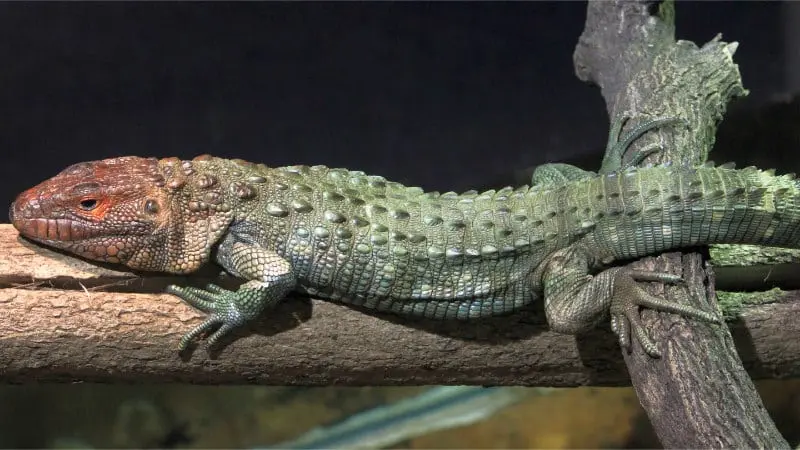
The caiman lizard is a powerful animal that lives in the swampy areas of South America, where it loves to swim and climb among the trees. Prehistoric in appearance, it owes its name to its likeness to caimans, crocodiles and alligators, shown by its excellent swimming and, morphologically, by the horny plates along its back. Confirming both its name and its aquatic skills, the caiman lizard has a third eyelid, transparent, which protects the eye while still giving excellent vision underwater. Once in the water, they search the bottom for crustaceans and snails, their favourite food, using their powerful jaws to crack the shells with great ease. In the past, the bright colours of its skin put the survival of this species at risk: it was hunted for its hide, typically red on the head and green on the rest of the body.
For now, it is holding on.
Widespread and abundant: not in danger for now.
-
LC
Least Concern
Northern caiman lizard
-
NT
Near Threatened
-
VU
Vulnerable
-
EN
Endangered
-
CR
Critically Endangered
The facts, in plain view.
Classification, distribution and habits: what you need to recognise it and to know where it comes from.
- Class
- Reptilia
- Family
- Teiidae
- Distribution
- South America
- Habitat
- Swampy woodland
- Diet
- Mainly snails, but also aquatic invertebrates and fish
- Size
- Up to 1.20 m
Neighbours in Predators.
18 species share this environment. Each one has its own card: scientific name, habitat, diet, conservation.
 LC
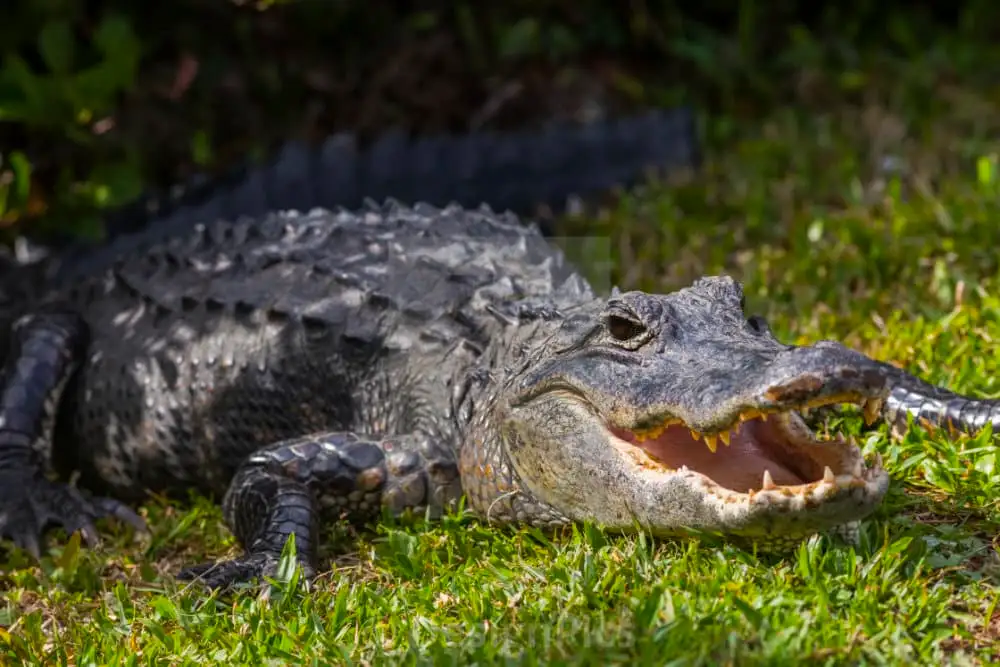
American alligator
Alligator mississippiensis
Least Concern
 LC
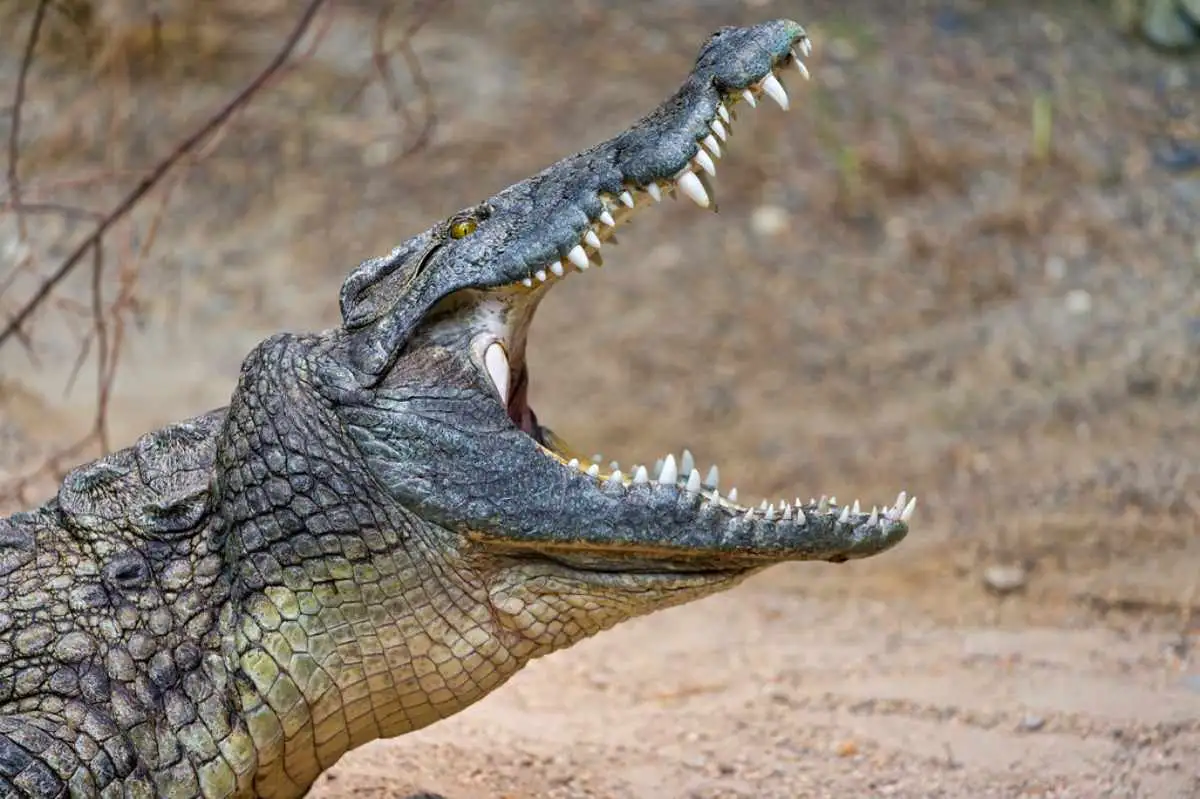
Nile crocodile
Crocodylus niloticus
Least Concern
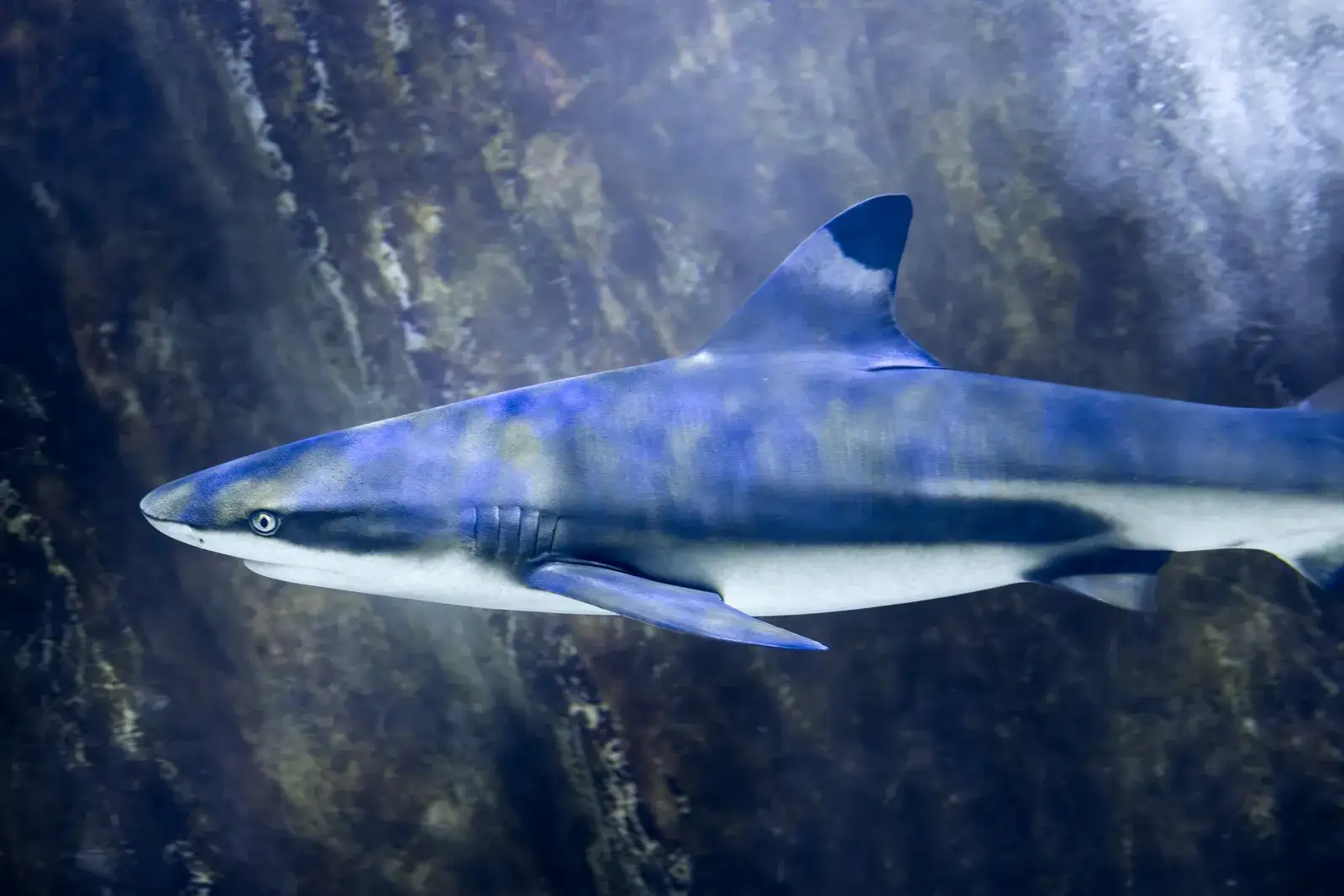 VU
Blacktip reef shark
Carcharhinus melanopterus
Vulnerable
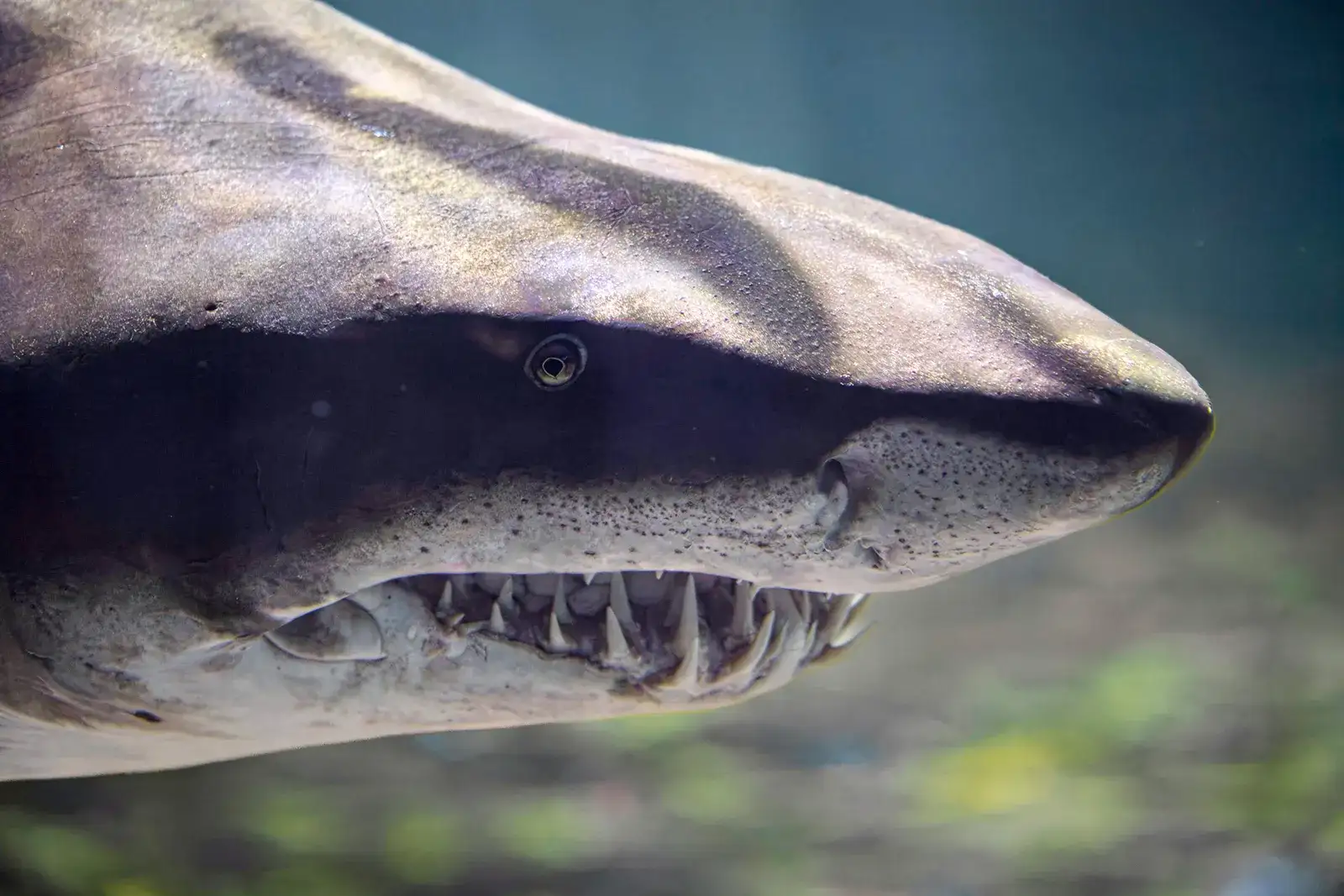 CR
Sand tiger shark
Carcharias taurus
Critically Endangered
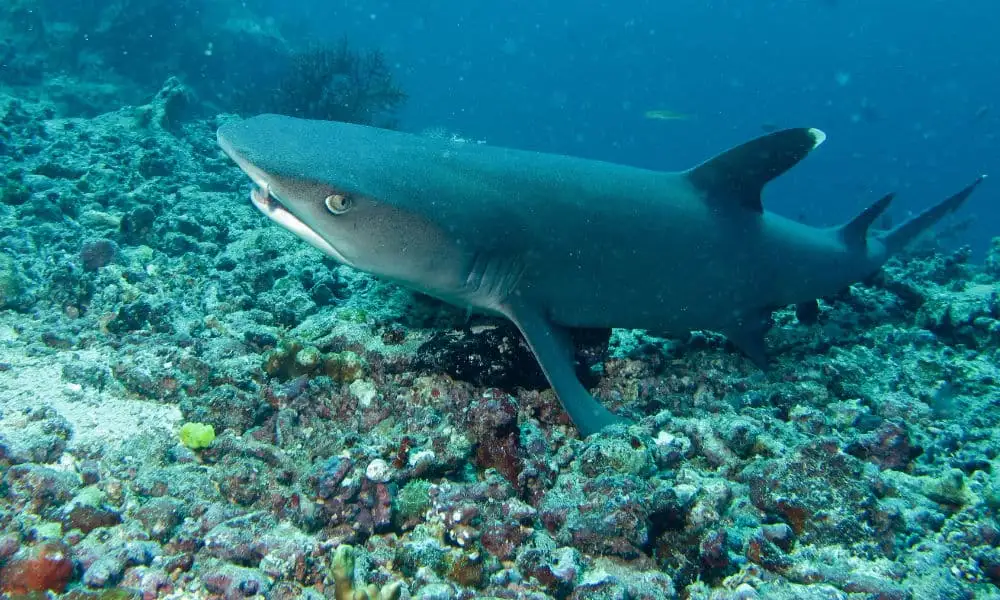 VU
Whitetip reef shark
Triaenodon obesus
Vulnerable
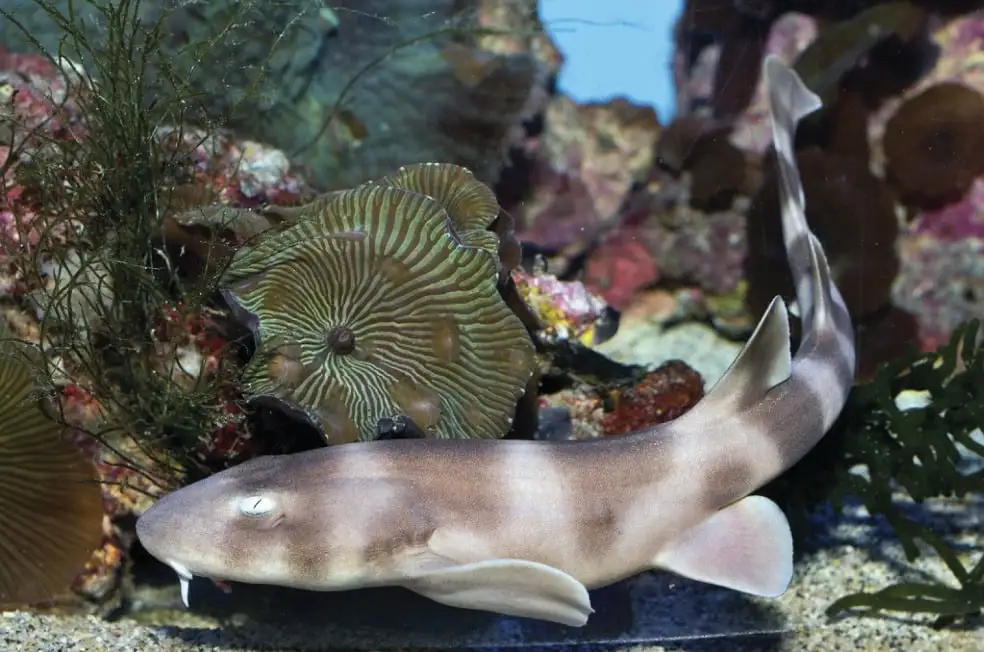 NT
Brownbanded bamboo shark
Chiloscyllium punctatum
Near Threatened