
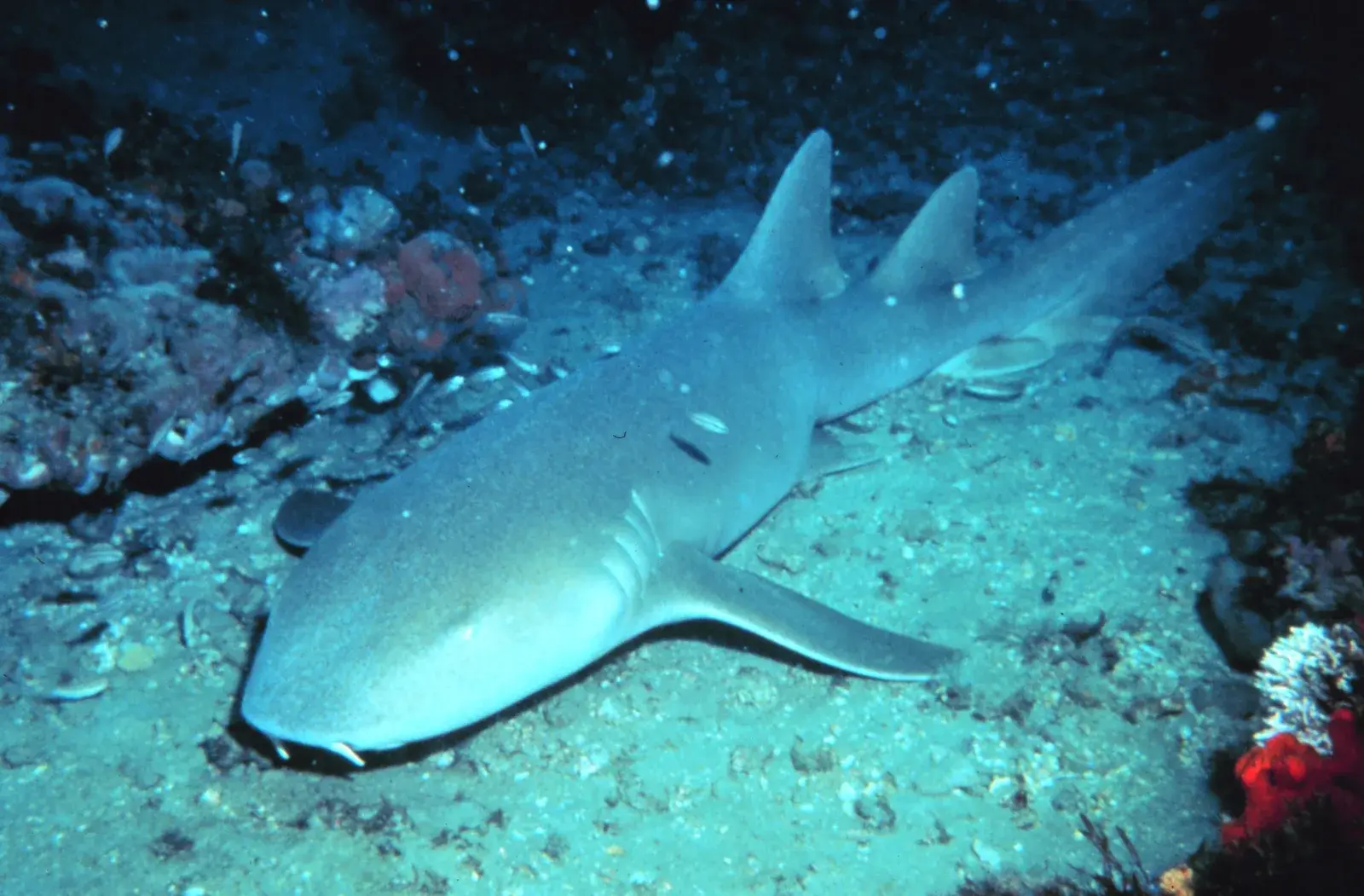
Nurse shark
Ginglymostoma cirratum
IUCN Red List
VU Vulnerable
Who it is
It has incredibly thick, rough skin, among the toughest of all sharks: as well as being an excellent defence against predators, it lets the shark search for food even among rocky crevices without getting hurt. It typically lives on the sea floor and uses its long “whiskers” (barbels) as a perfect radar to find even the best-hidden prey.
At risk of disappearing.
At high risk of extinction in the wild.
-
LC
Least Concern
-
NT
Near Threatened
-
VU
Vulnerable
Nurse shark
-
EN
Endangered
-
CR
Critically Endangered
The facts, in plain view.
Classification, distribution and habits: what you need to recognise it and to know where it comes from.
- Class
- Chondrichthyes
- Family
- Ginglymostomatidae
- Distribution
- Atlantic Ocean and eastern Pacific Ocean
- Habitat
- Coral reefs and mangrove forests
- Diet
- Fish and invertebrates
- Size
- Up to 3 m
Neighbours in Predators.
18 species share this environment. Each one has its own card: scientific name, habitat, diet, conservation.
 LC
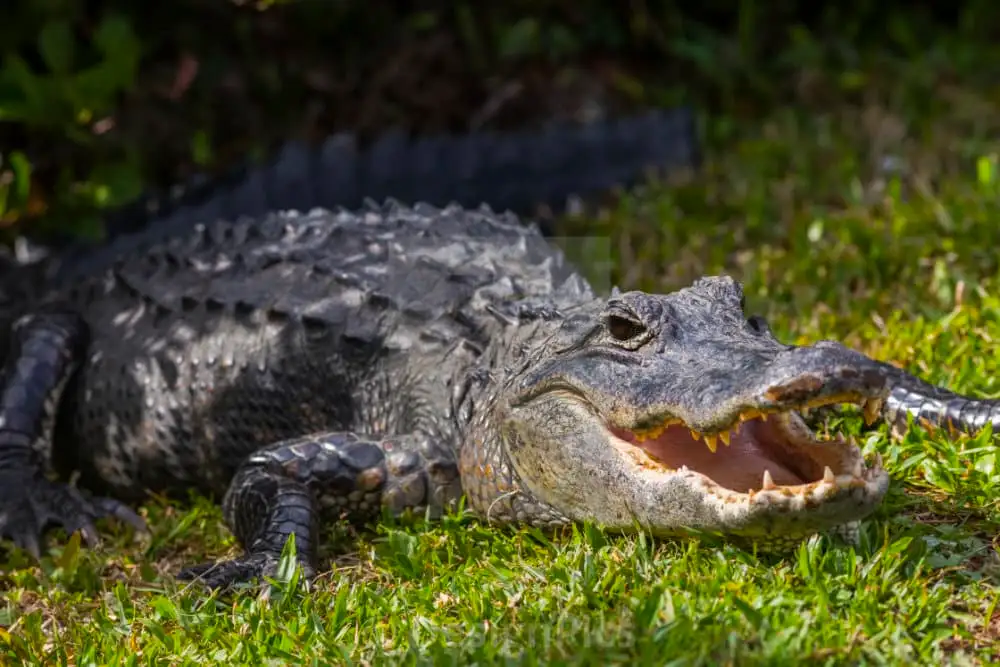
American alligator
Alligator mississippiensis
Least Concern
 LC
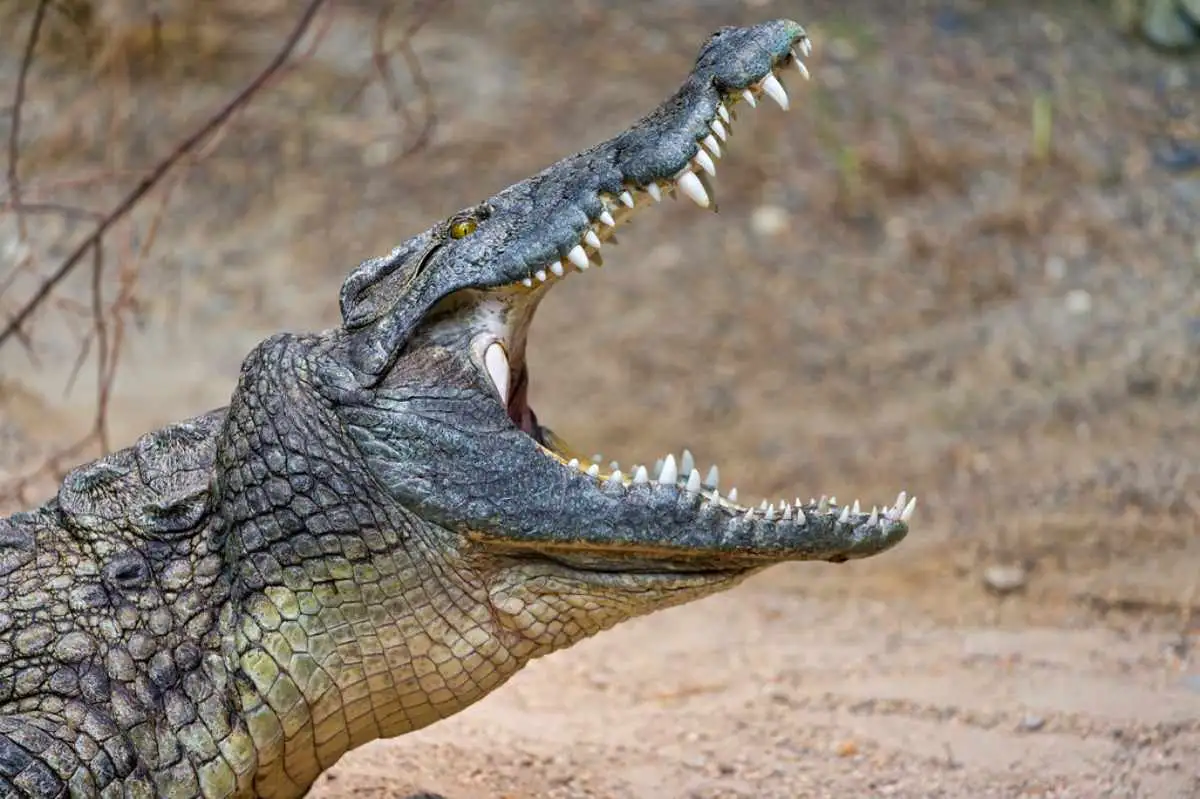
Nile crocodile
Crocodylus niloticus
Least Concern
 LC
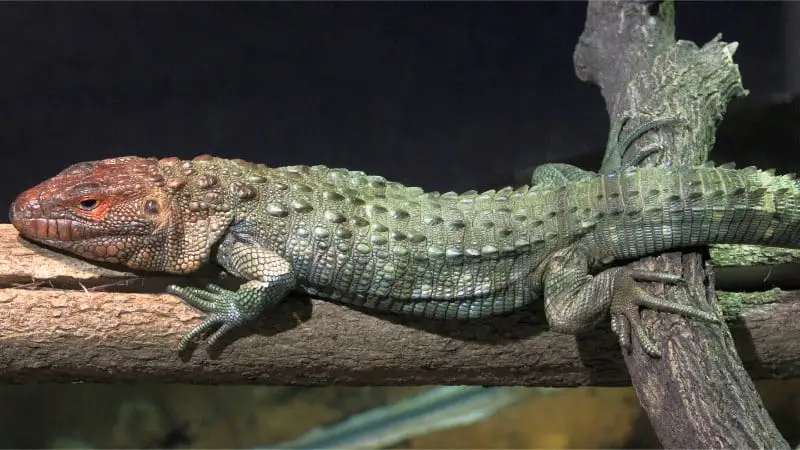
Northern caiman lizard
Dracaena guianensis
Least Concern
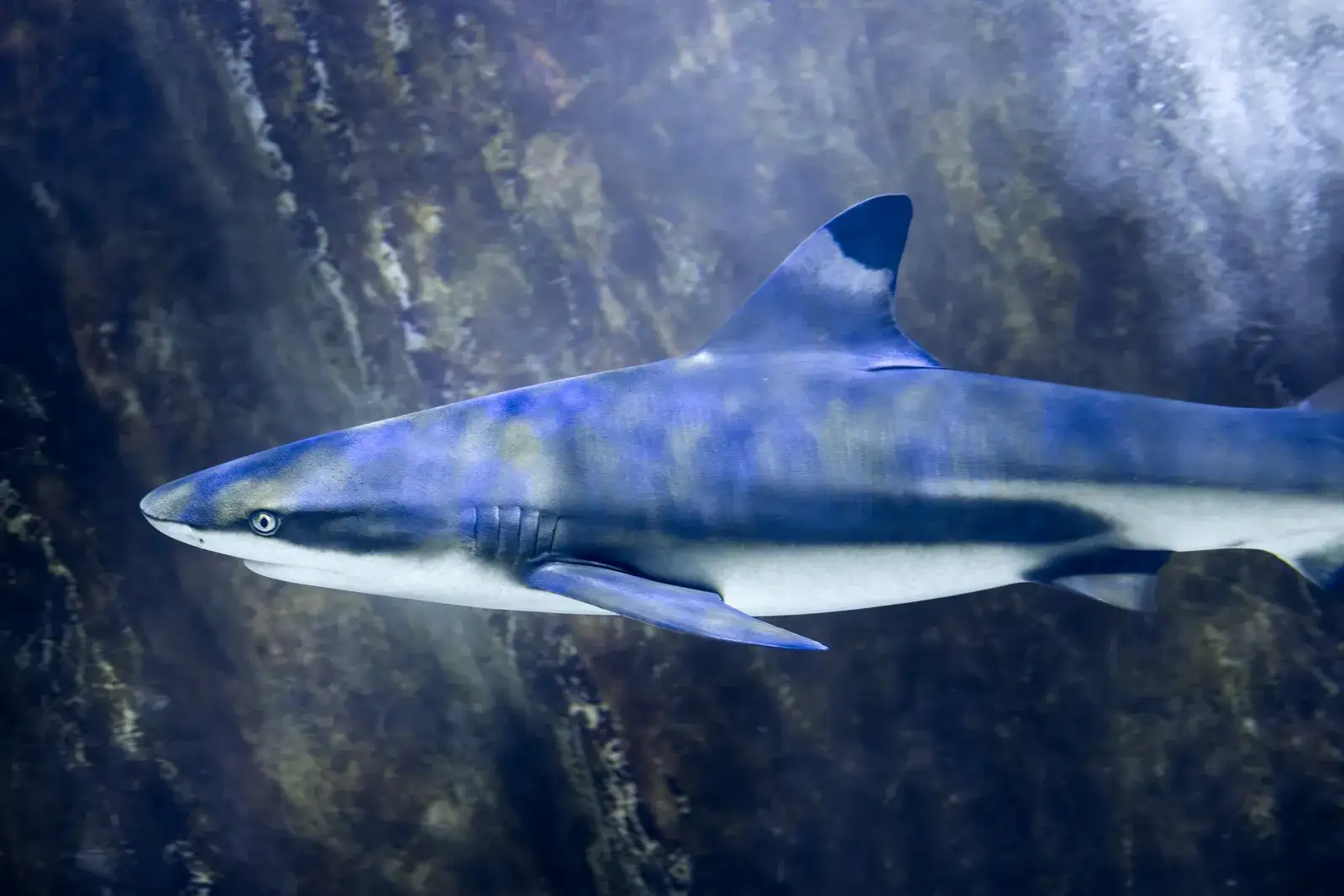 VU
Blacktip reef shark
Carcharhinus melanopterus
Vulnerable
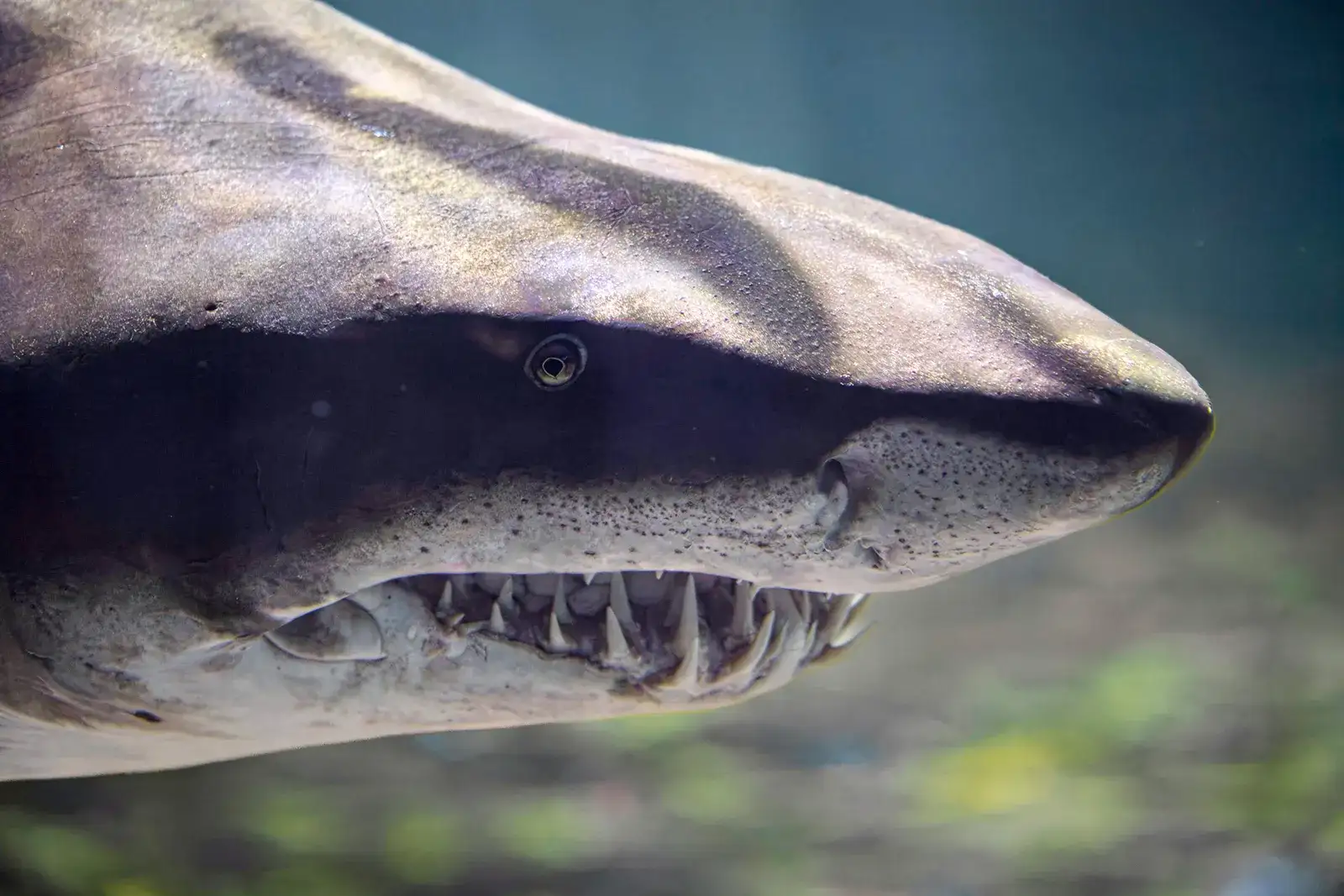 CR
Sand tiger shark
Carcharias taurus
Critically Endangered
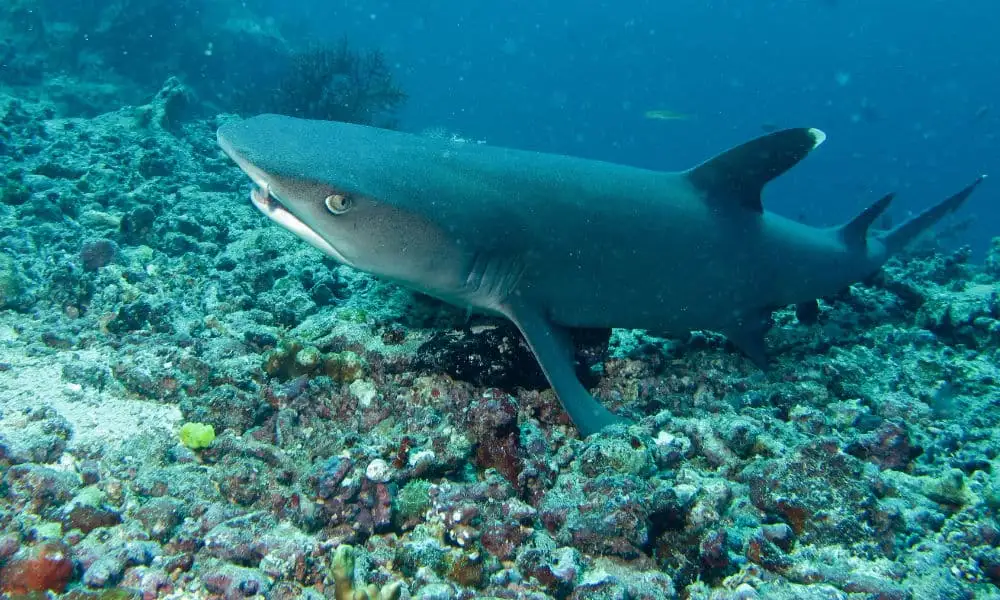 VU
Whitetip reef shark
Triaenodon obesus
Vulnerable