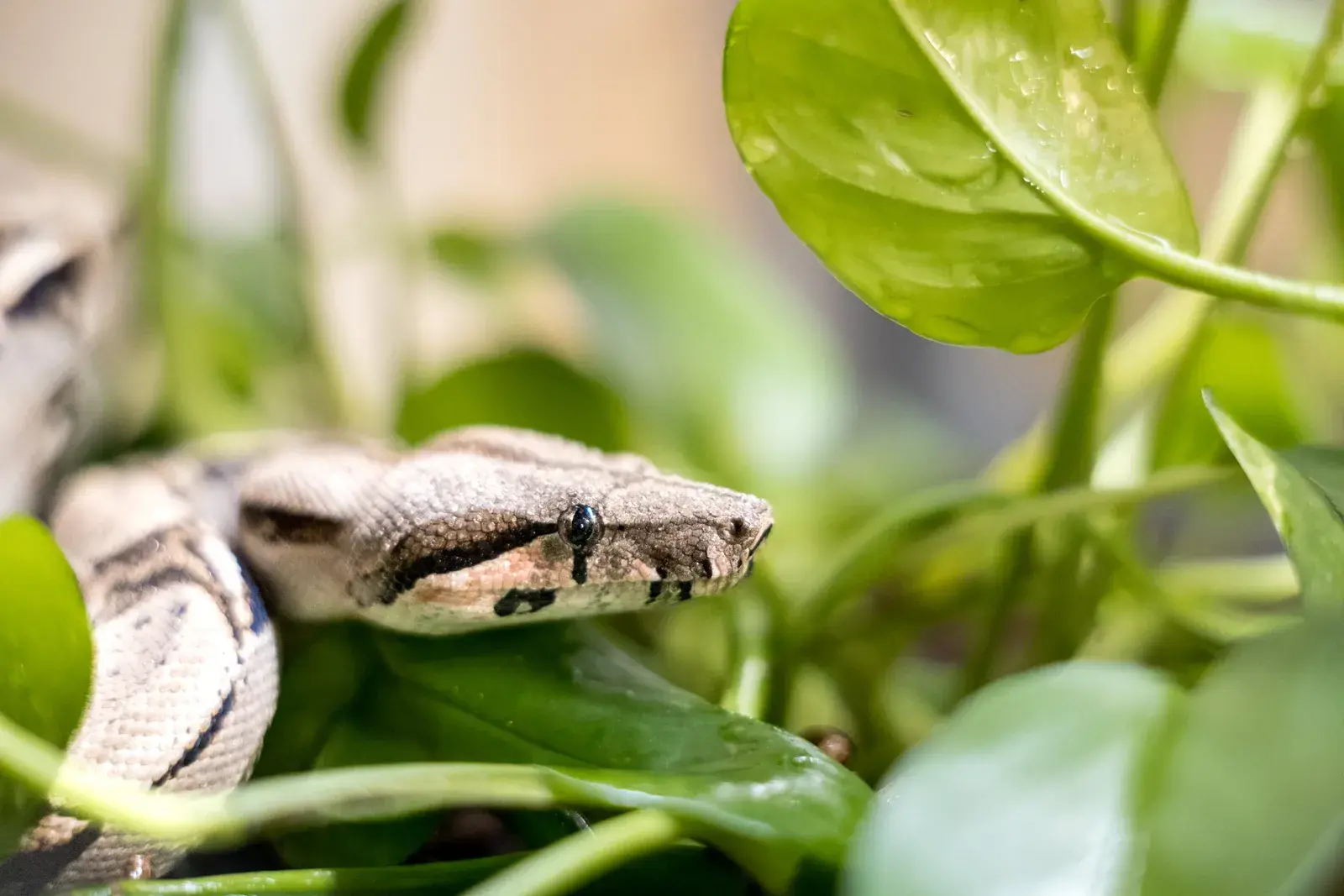
Boa constrictor
Boa constrictor
IUCN Red List
LC Least Concern
Who it is
Like the other constrictor snakes, the boa has no venomous fangs and uses its strength to squeeze its prey until it suffocates. Unlike pythons, it does not lay eggs but gives birth to young that are already fully formed (ovoviviparous) and independent.
For now, it is holding on.
Widespread and abundant: not in danger for now.
-
LC
Least Concern
Boa constrictor
-
NT
Near Threatened
-
VU
Vulnerable
-
EN
Endangered
-
CR
Critically Endangered
The facts, in plain view.
Classification, distribution and habits: what you need to recognise it and to know where it comes from.
- Class
- Reptilia
- Family
- Boidae
- Distribution
- South and Central America
- Habitat
- Rainforests, but also semi-arid and rocky areas
- Diet
- Birds and mammals
- Size
- Up to 4 m
Neighbours in Tropicarium.
89 species share this environment. Each one has its own card: scientific name, habitat, diet, conservation.
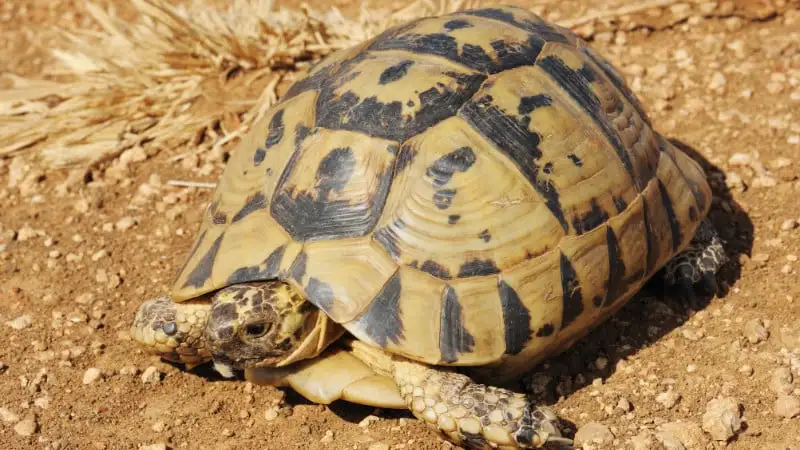 VU
Greek tortoise
Testudo graeca
Vulnerable
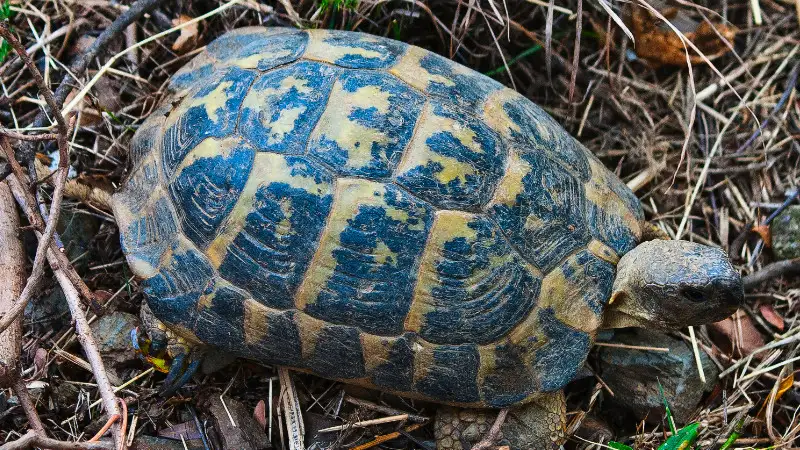 NT
Hermann's tortoise
Testudo hermanni
Near Threatened
 NT
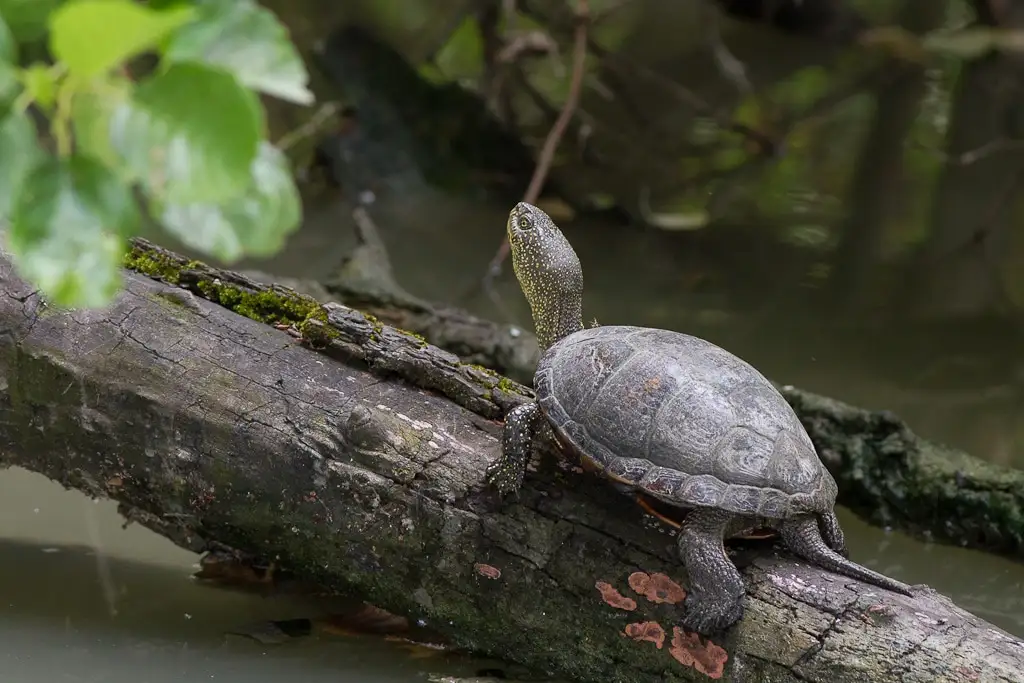
European pond turtle
Emys orbicularis
Near Threatened
 LC
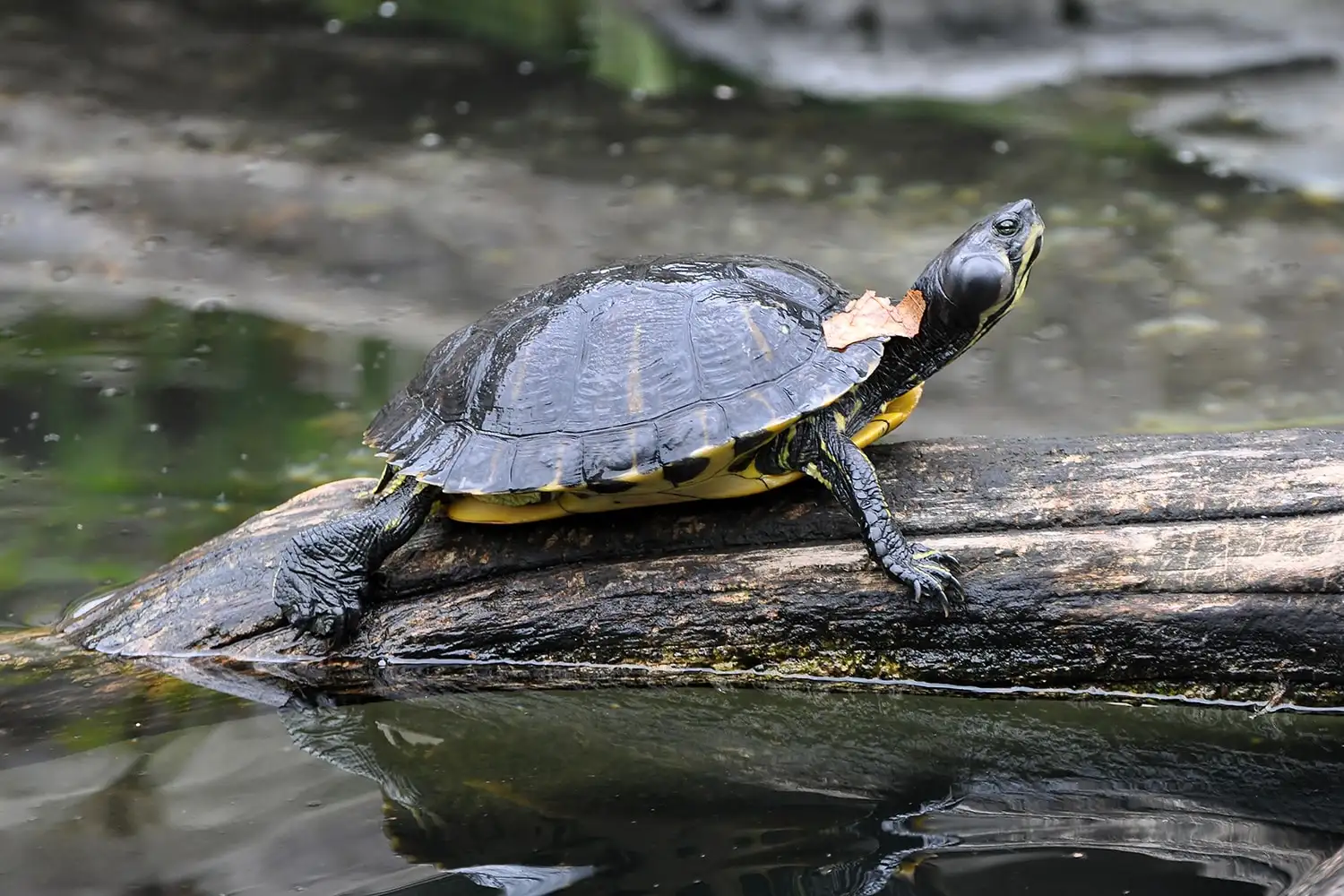
Pond slider
Trachemys scripta
Least Concern
 LC
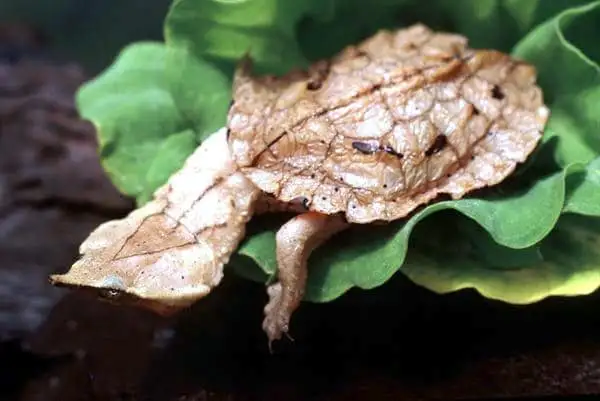
Amazon mata mata
Chelus fimbriatus
Least Concern
 LC
Common snapping turtle
Chelydra serpentina
Least Concern