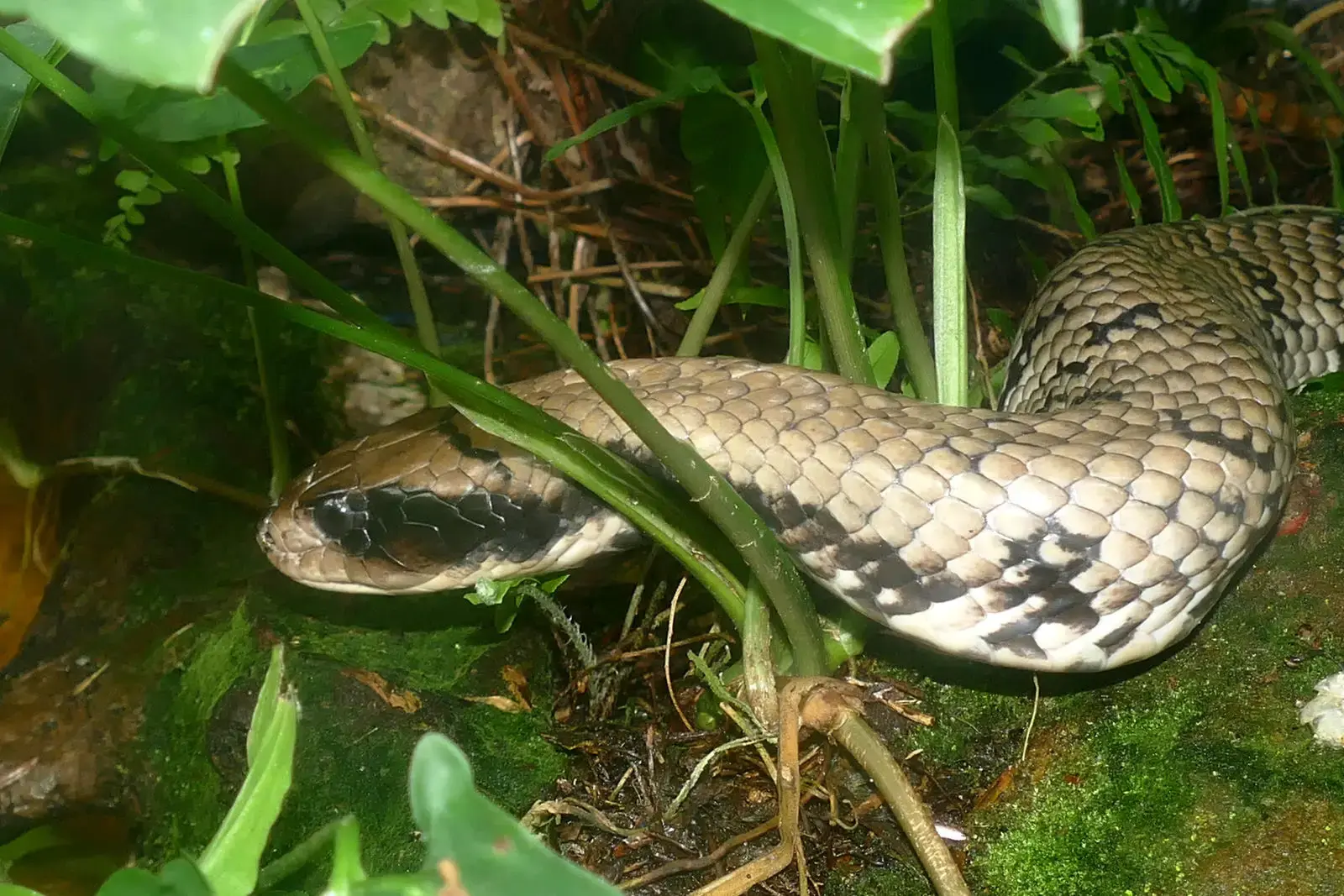
False water cobra
Hydrodynastes gigas
IUCN Red List
LC Least Concern
Who it is
The name of this snake immediately tells us what its defence technique is: puffing up its “neck” to look like the famous and feared cobra. Unlike the cobra, however, it has no dangerous venom to use in defence: on the contrary, its venom is used only for digestion and is injected only through its rear teeth.
For now, it is holding on.
Widespread and abundant: not in danger for now.
-
LC
Least Concern
False water cobra
-
NT
Near Threatened
-
VU
Vulnerable
-
EN
Endangered
-
CR
Critically Endangered
The facts, in plain view.
Classification, distribution and habits: what you need to recognise it and to know where it comes from.
- Class
- Reptilia
- Family
- Colubridae
- Distribution
- South America
- Habitat
- Swamp forests
- Diet
- Small mammals, birds and amphibians
- Size
- Up to 2 m
Neighbours in Tropicarium.
89 species share this environment. Each one has its own card: scientific name, habitat, diet, conservation.
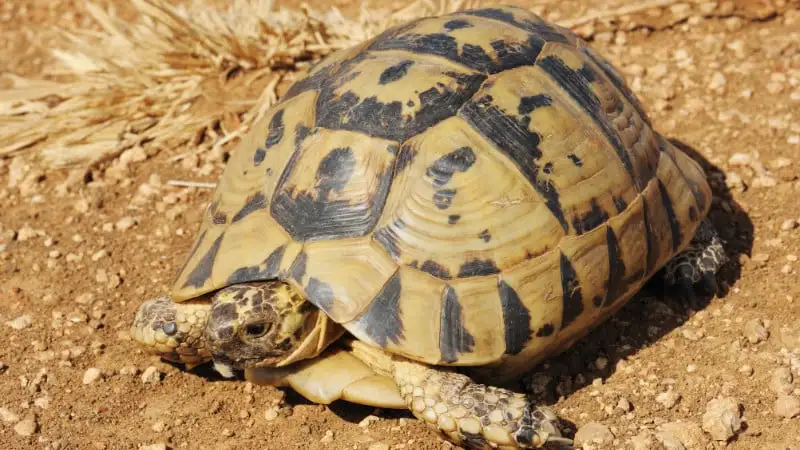 VU
Greek tortoise
Testudo graeca
Vulnerable
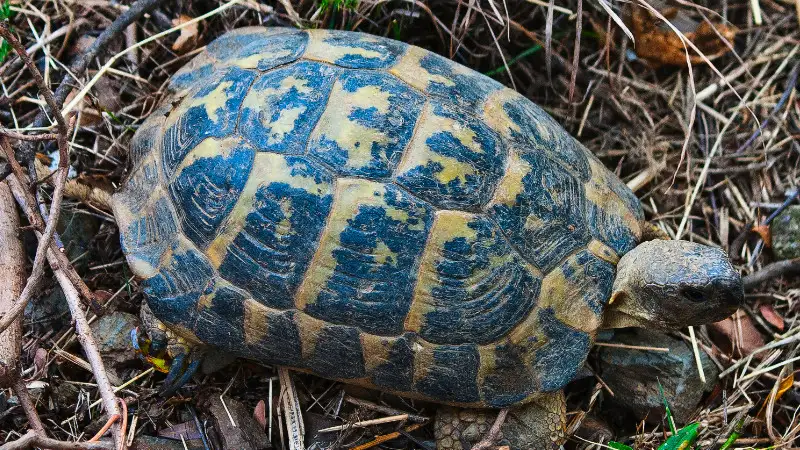 NT
Hermann's tortoise
Testudo hermanni
Near Threatened
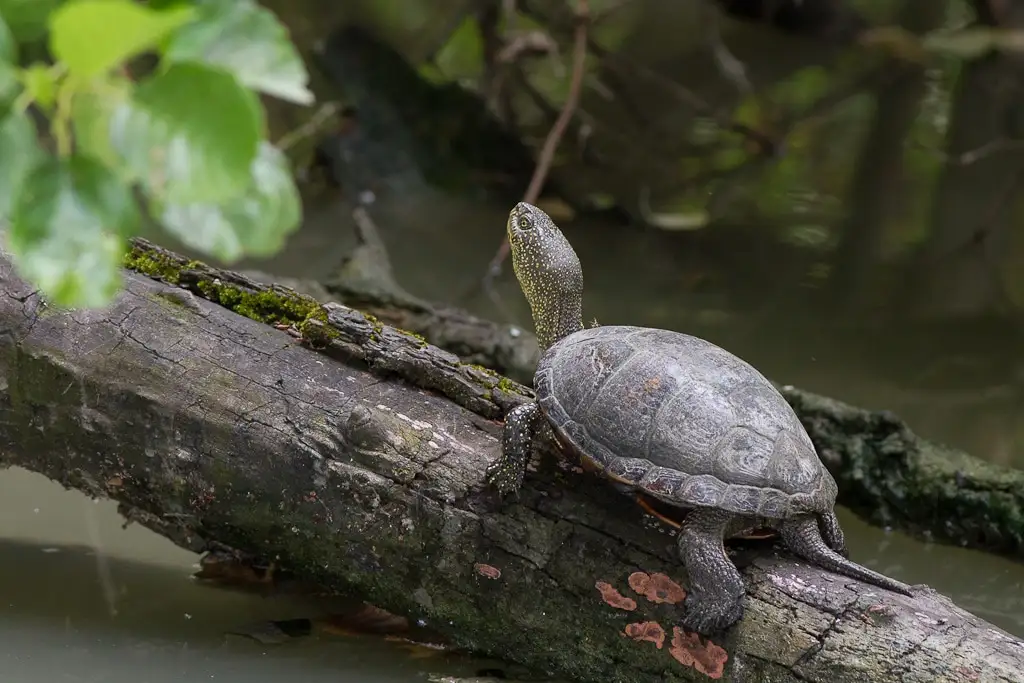 NT
European pond turtle
Emys orbicularis
Near Threatened
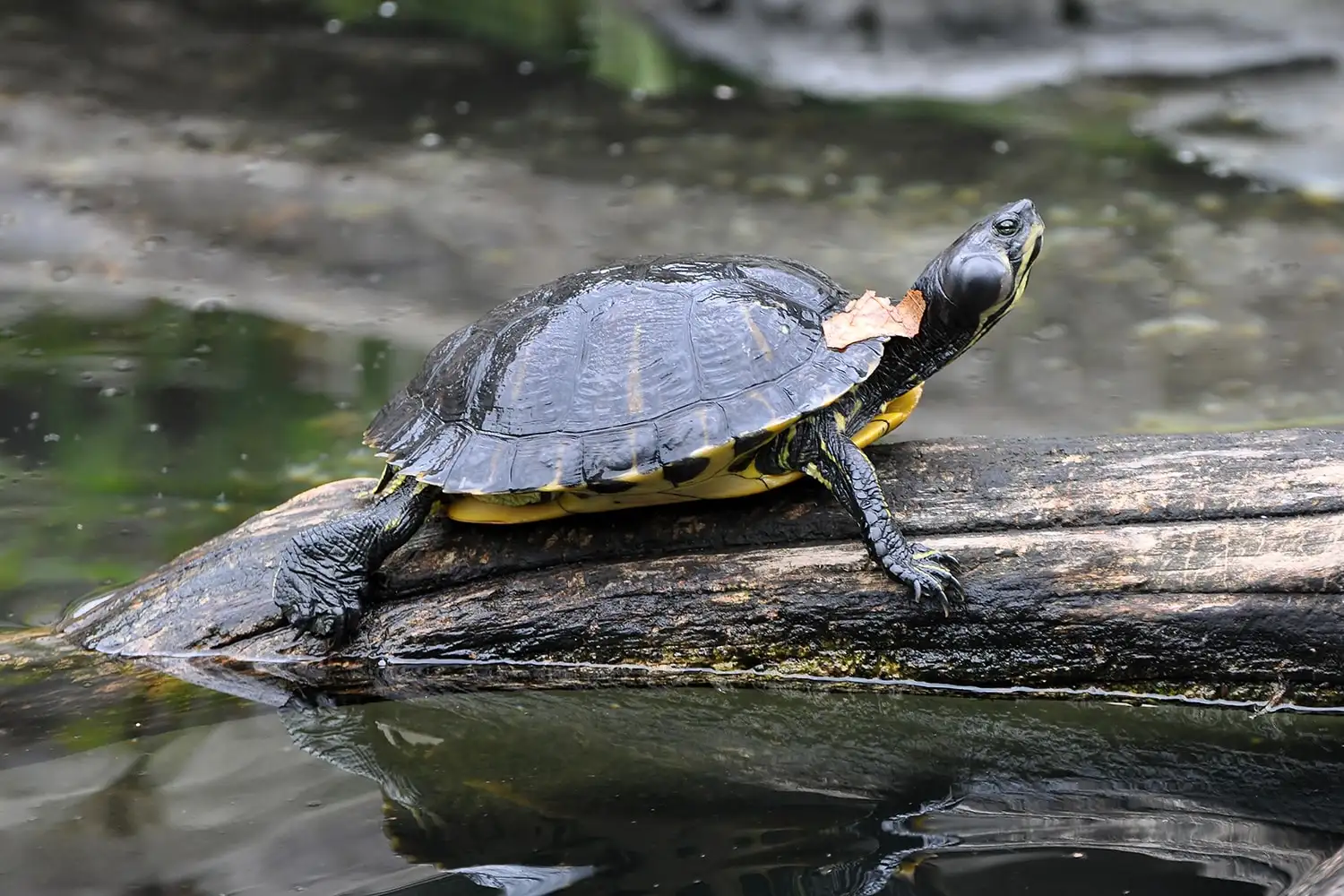 LC
Pond slider
Trachemys scripta
Least Concern
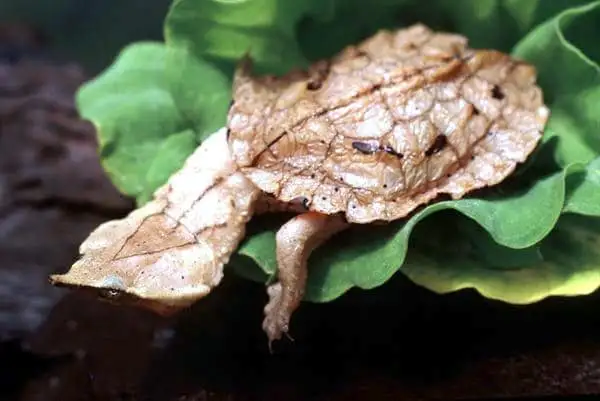 LC
Amazon mata mata
Chelus fimbriatus
Least Concern
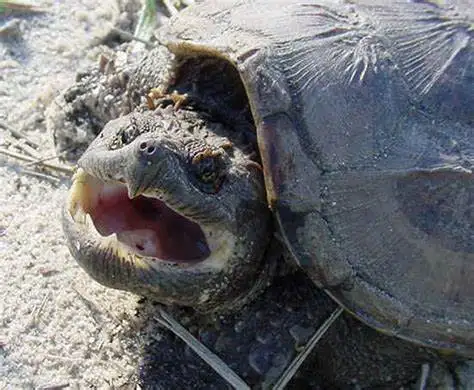 LC
Common snapping turtle
Chelydra serpentina
Least Concern