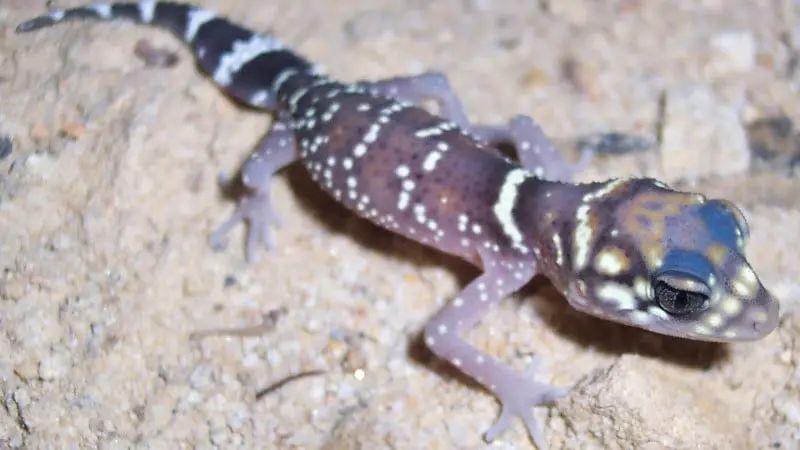
Thick-tailed gecko
Underwoodisaurus milii
IUCN Red List
LC Least Concern
Who it is
Looking at the shape of this gecko, you can see that its legs are very thin and stand well apart from the rest of the body, a feature that reflects how good these animals are at climbing among rocks. They can also flatten themselves so as to slip into even the smallest cracks in the rock, and so protect themselves from any danger. In the wild there are two very distinct colourings (called morphs): the West Form, with light colours such as yellow, and the South Form, typically dark red.
For now, it is holding on.
Widespread and abundant: not in danger for now.
-
LC
Least Concern
Thick-tailed gecko
-
NT
Near Threatened
-
VU
Vulnerable
-
EN
Endangered
-
CR
Critically Endangered
The facts, in plain view.
Classification, distribution and habits: what you need to recognise it and to know where it comes from.
- Class
- Reptilia
- Family
- Carphodactylidae
- Distribution
- Southern Australia
- Habitat
- Rocky desert
- Diet
- Small insects
- Size
- 12-15 cm
Neighbours in Tropicarium.
89 species share this environment. Each one has its own card: scientific name, habitat, diet, conservation.
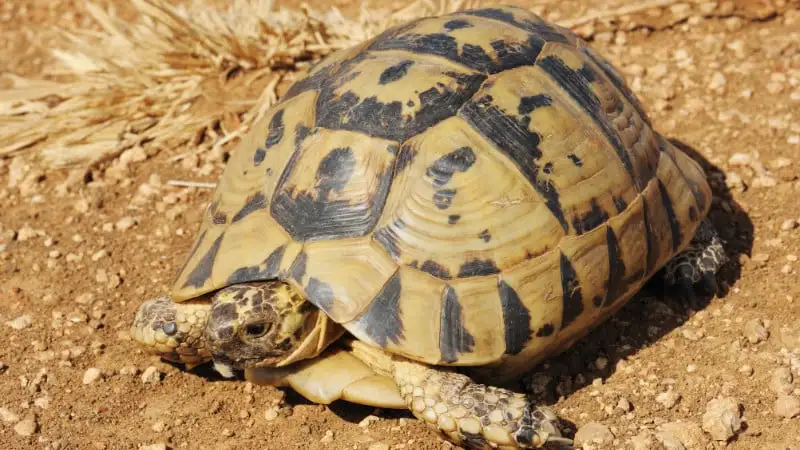 VU
Greek tortoise
Testudo graeca
Vulnerable
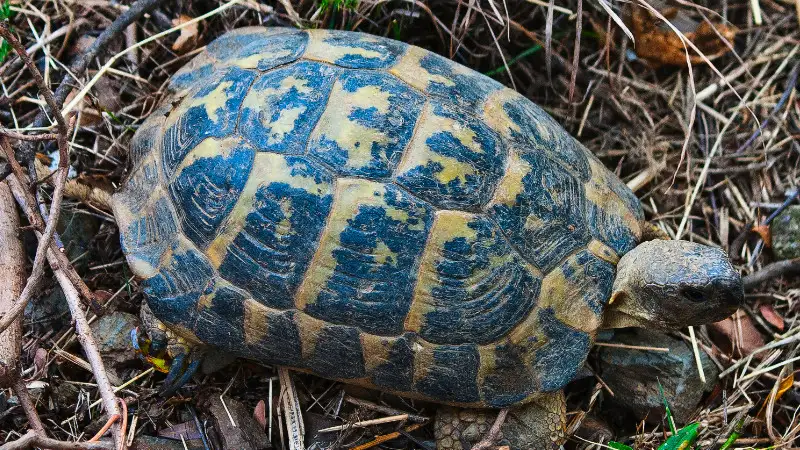 NT
Hermann's tortoise
Testudo hermanni
Near Threatened
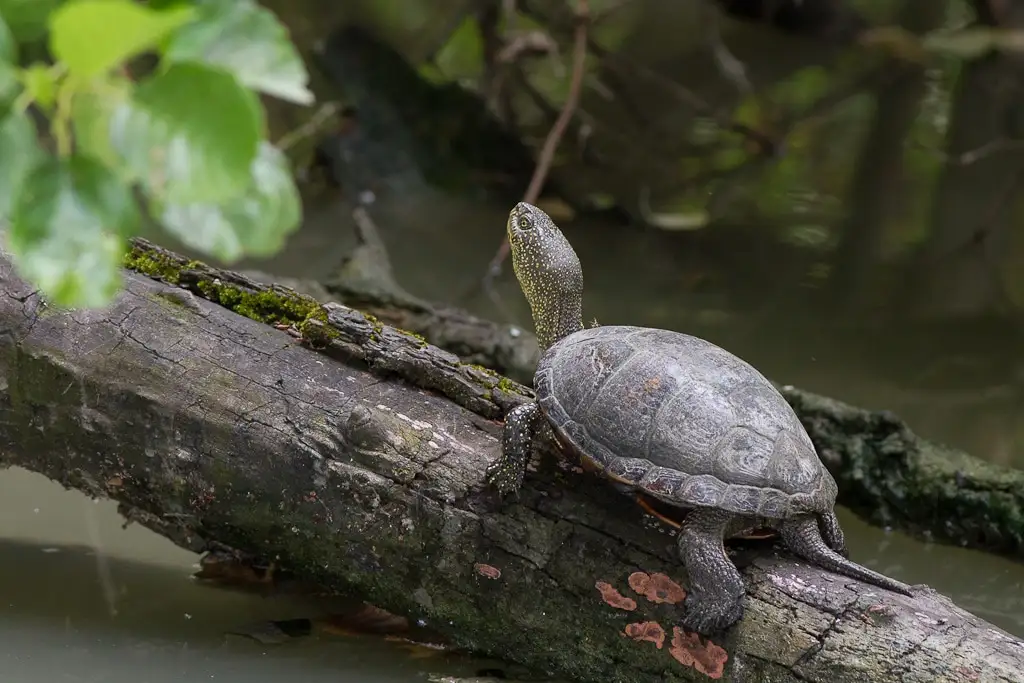 NT
European pond turtle
Emys orbicularis
Near Threatened
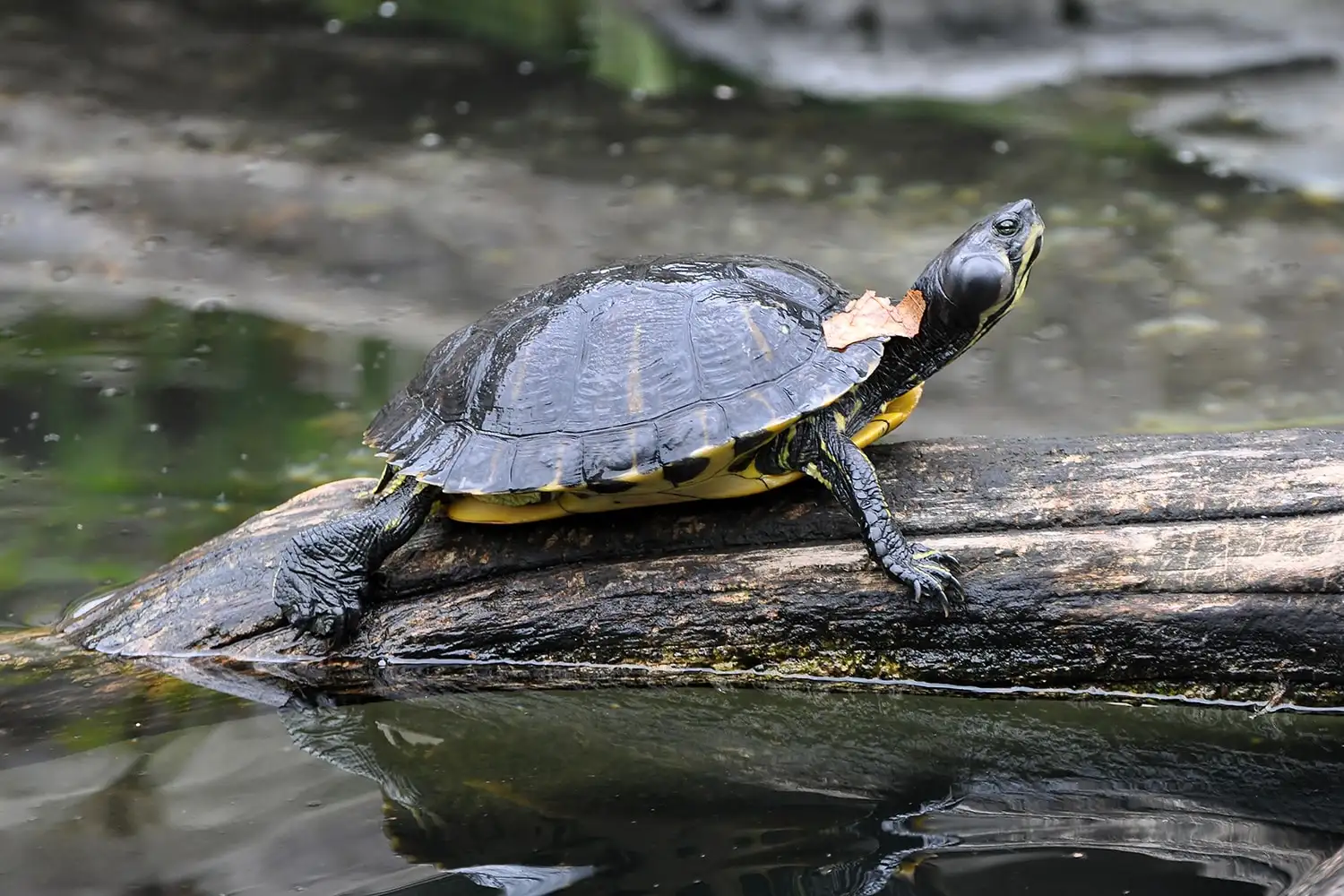 LC
Pond slider
Trachemys scripta
Least Concern
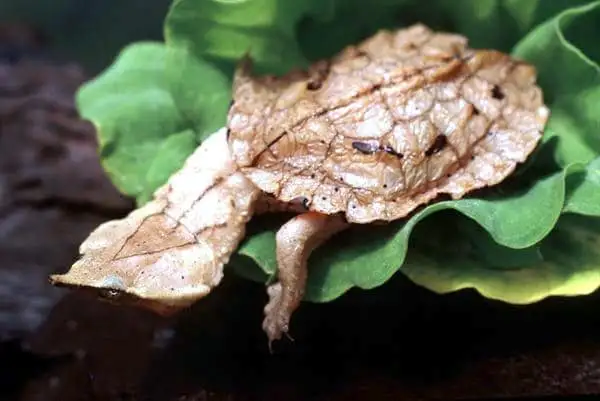 LC
Amazon mata mata
Chelus fimbriatus
Least Concern
 LC
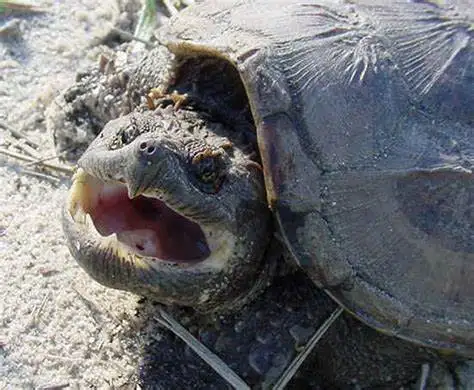
Common snapping turtle
Chelydra serpentina
Least Concern