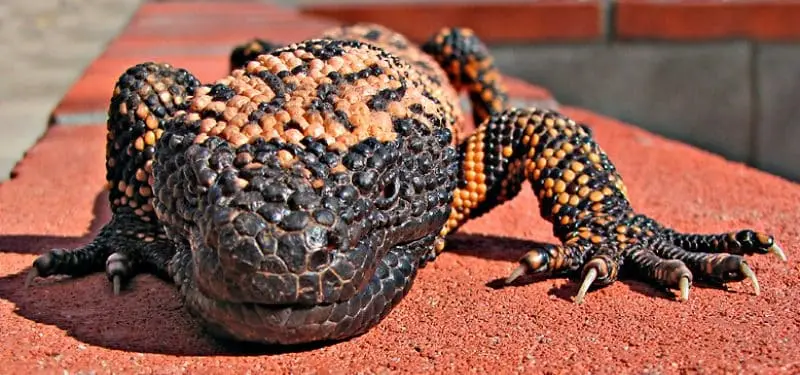
Gila monster
Heloderma suspectum
IUCN Red List
NT Near Threatened
Who it is
It is one of the few venomous lizards in the world, with aposematic colouring that warns predators of how dangerous it is. Unlike snakes, it has venom glands in its lower jaw and delivers the toxin by chewing hard on its prey through the grooves in its teeth. A protein isolated from its venom has been key to developing innovative drugs against diabetes.
For now, it is holding on.
Not yet at risk, but getting there.
-
LC
Least Concern
-
NT
Near Threatened
Gila monster
-
VU
Vulnerable
-
EN
Endangered
-
CR
Critically Endangered
The facts, in plain view.
Classification, distribution and habits: what you need to recognise it and to know where it comes from.
- Class
- Reptilia
- Family
- Helodermatidae
- Distribution
- South-western United States and Mexico
- Habitat
- Rocky areas and semi-desert savannahs
- Diet
- Small mammals, birds, reptiles and carrion
- Size
- Up to 35-50 cm
Neighbours in Tropicarium.
89 species share this environment. Each one has its own card: scientific name, habitat, diet, conservation.
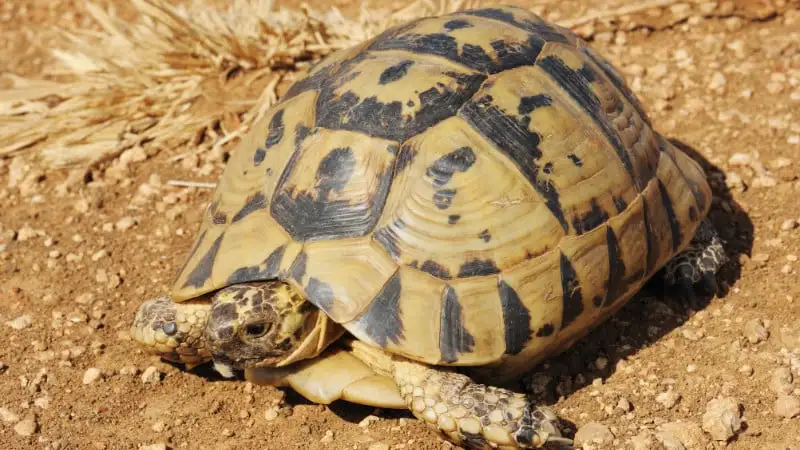 VU
Greek tortoise
Testudo graeca
Vulnerable
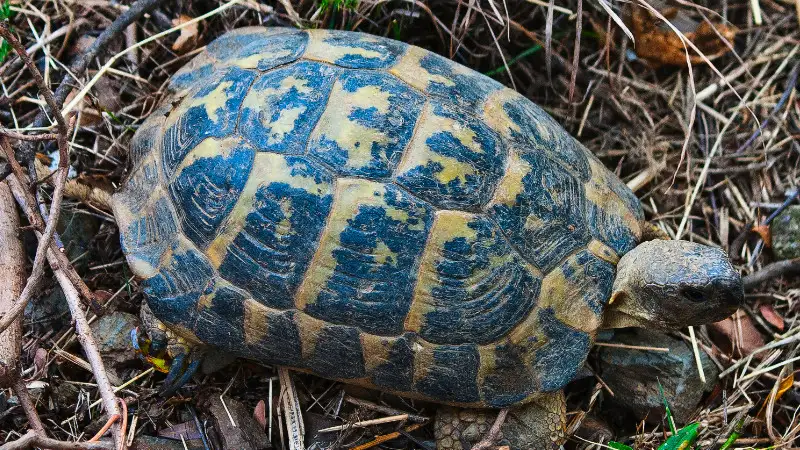 NT
Hermann's tortoise
Testudo hermanni
Near Threatened
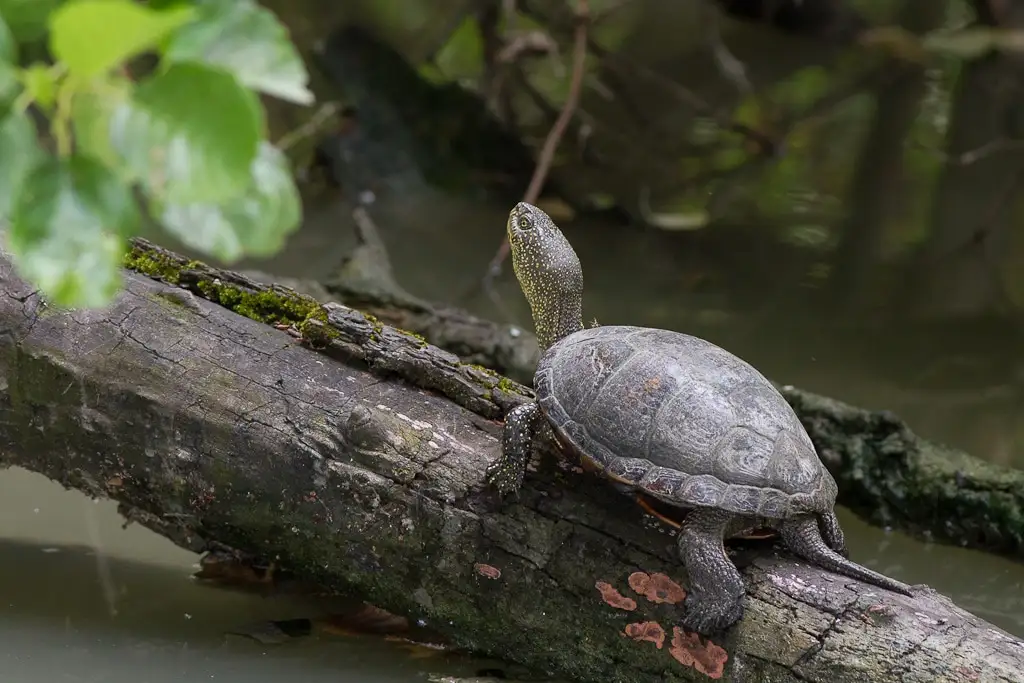 NT
European pond turtle
Emys orbicularis
Near Threatened
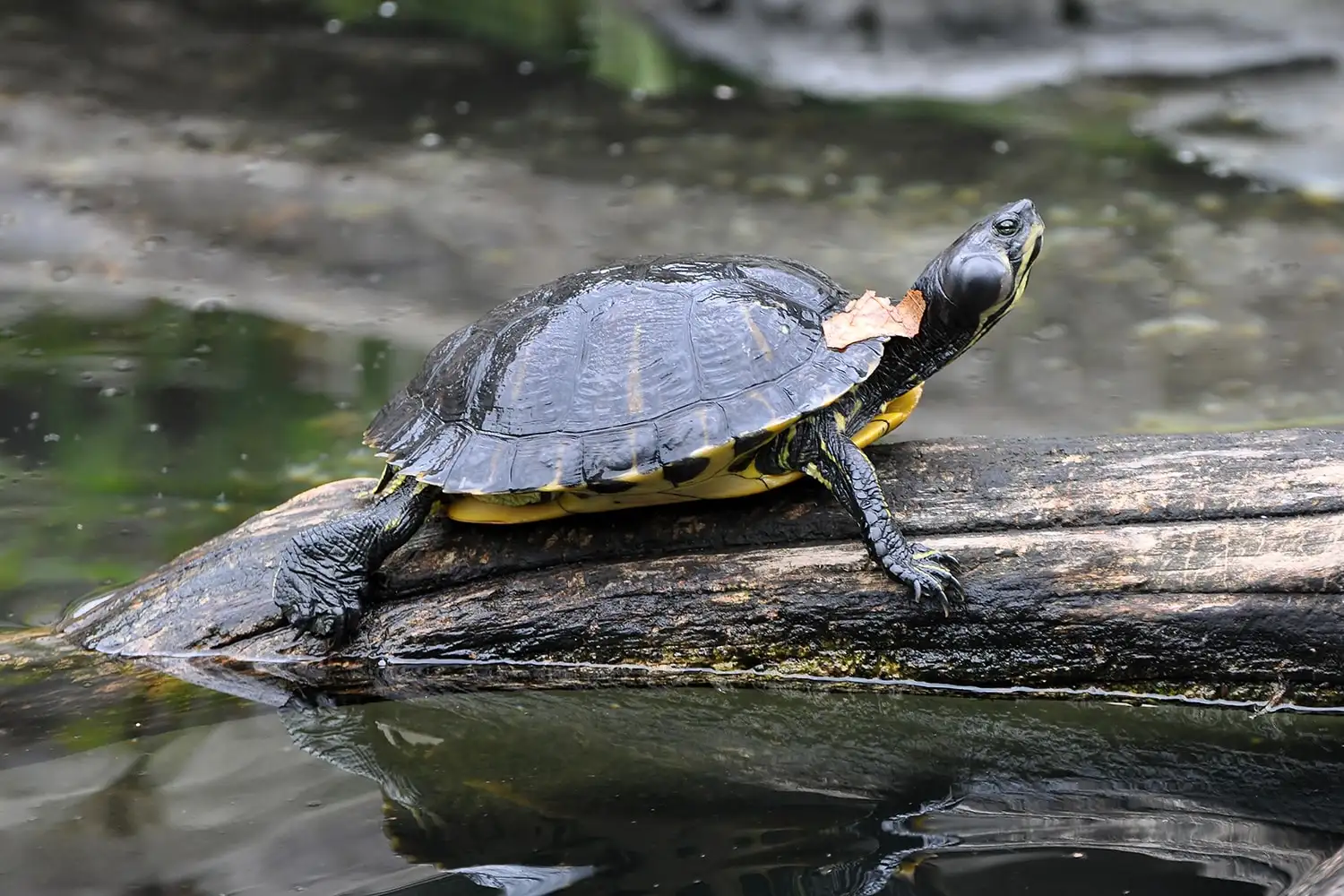 LC
Pond slider
Trachemys scripta
Least Concern
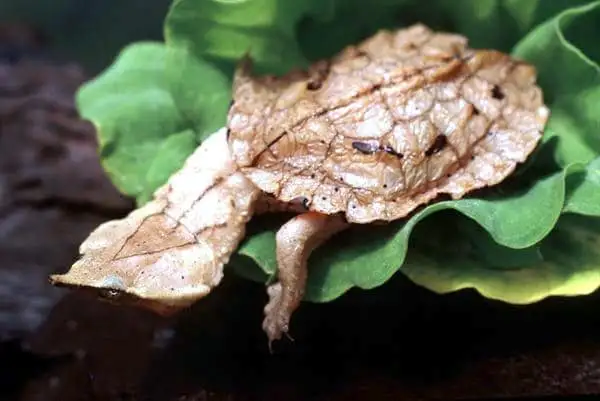 LC
Amazon mata mata
Chelus fimbriatus
Least Concern
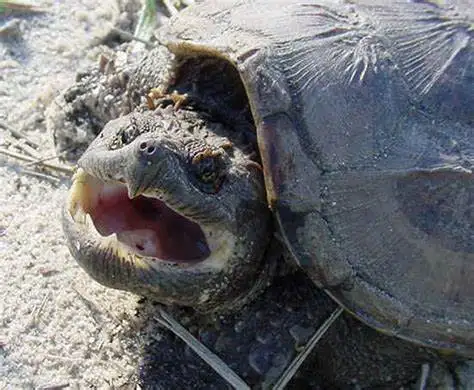 LC
Common snapping turtle
Chelydra serpentina
Least Concern