
Green tree python
Morelia viridis
IUCN Red List
LC Least Concern
Who it is
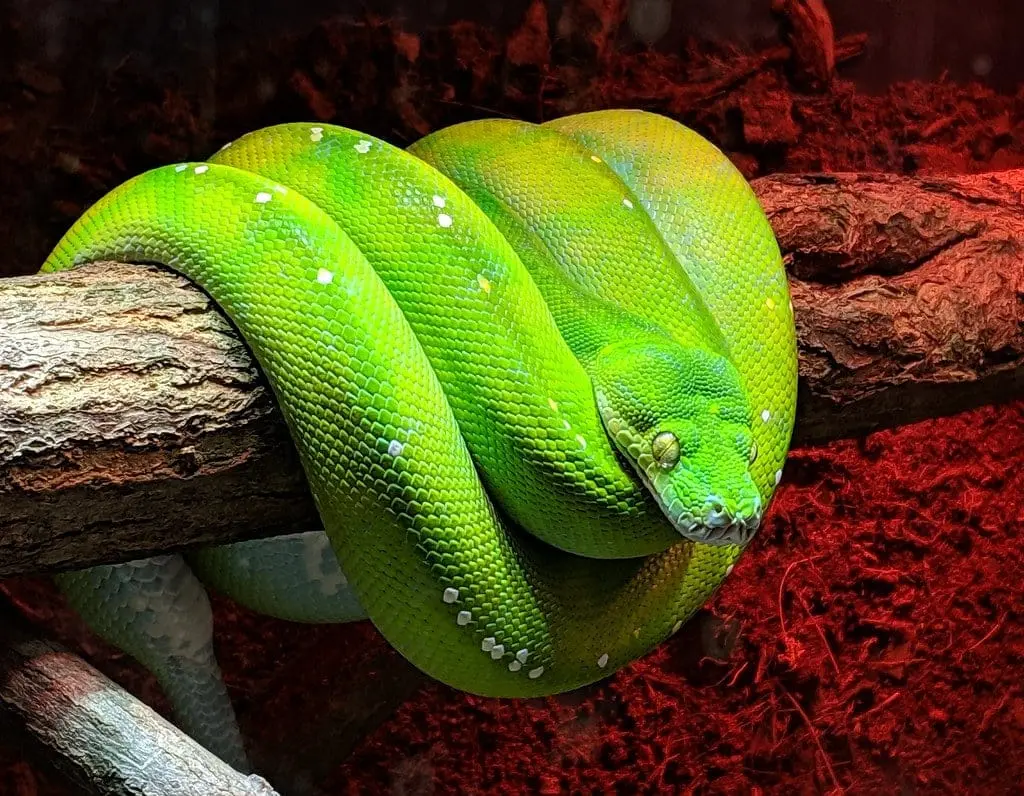
The name of this constrictor snake refers to the typical bright green colour of its skin, although it does not come only in that shade. In fact, the young are born yellow or red and only later develop the classic green colour, sometimes enriched by irregular white or blue markings. They are tree-dwelling snakes that spend most of their lives draped over the horizontal branches of trees, in a particular position that lets them keep their head in the centre, so that they are ready to strike at the prey that passes in front of them while they hunt at night.
For now, it is holding on.
Widespread and abundant: not in danger for now.
-
LC
Least Concern
Green tree python
-
NT
Near Threatened
-
VU
Vulnerable
-
EN
Endangered
-
CR
Critically Endangered
The facts, in plain view.
Classification, distribution and habits: what you need to recognise it and to know where it comes from.
- Class
- Reptilia
- Family
- Pythonidae
- Distribution
- Indonesian islands, New Guinea, Australia
- Habitat
- Rainforests
- Diet
- Small mammals, lizards and, occasionally, birds
- Size
- 140-170 cm
Neighbours in Tropicarium.
89 species share this environment. Each one has its own card: scientific name, habitat, diet, conservation.
 VU
Greek tortoise
Testudo graeca
Vulnerable
 NT
Hermann's tortoise
Testudo hermanni
Near Threatened
 NT
European pond turtle
Emys orbicularis
Near Threatened
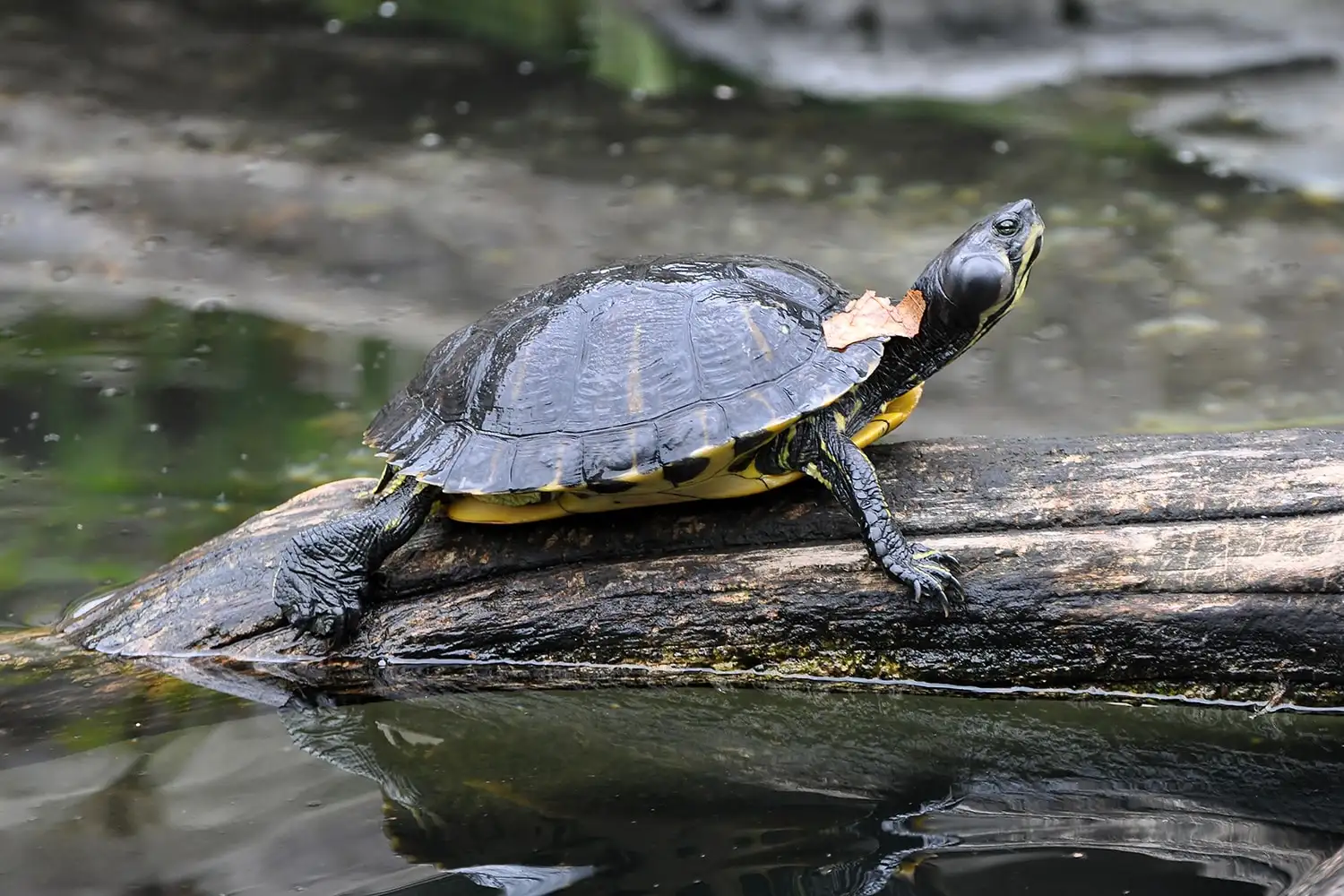 LC
Pond slider
Trachemys scripta
Least Concern
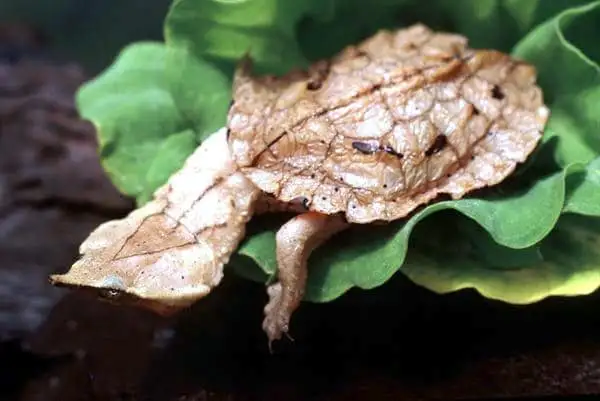 LC
Amazon mata mata
Chelus fimbriatus
Least Concern
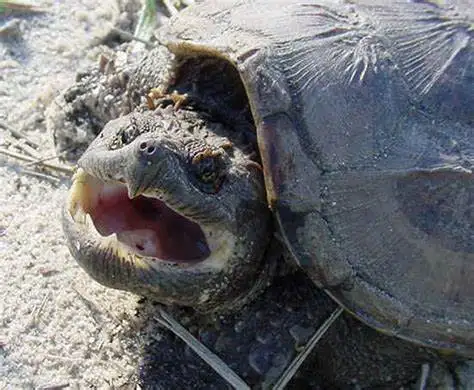 LC
Common snapping turtle
Chelydra serpentina
Least Concern