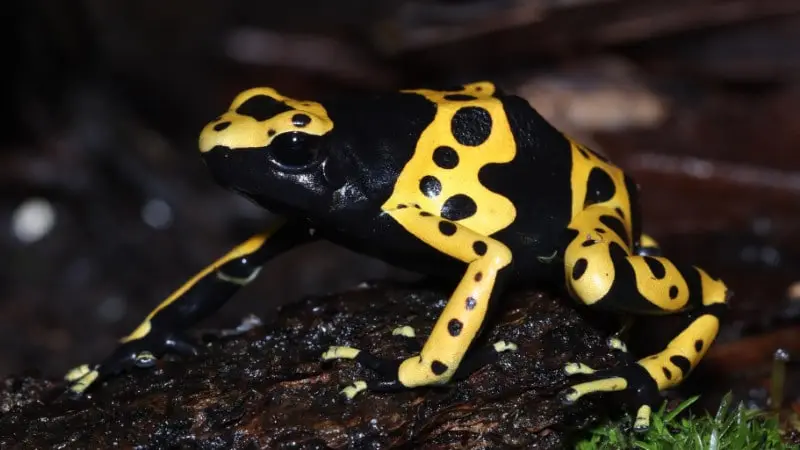
Poison dart frog
Dendrobates sp.
IUCN Red List
LC Least Concern
Who it is
They are called poison dart frogs because some South American peoples used them to poison their arrows. Their bright colours serve to warn predators of how dangerous they are. It was recently discovered that these amphibians obtain their powerful poison from particular insects they feed on. For this reason, specimens bred in captivity are not poisonous.
For now, it is holding on.
Widespread and abundant: not in danger for now.
-
LC
Least Concern
Poison dart frog
-
NT
Near Threatened
-
VU
Vulnerable
-
EN
Endangered
-
CR
Critically Endangered
The facts, in plain view.
Classification, distribution and habits: what you need to recognise it and to know where it comes from.
- Class
- Amphibia
- Family
- Dendrobatidae
- Distribution
- Central and South America
- Habitat
- Rainforests with high humidity
- Diet
- Small insects
- Size
- 4 cm
Neighbours in Tropicarium.
89 species share this environment. Each one has its own card: scientific name, habitat, diet, conservation.
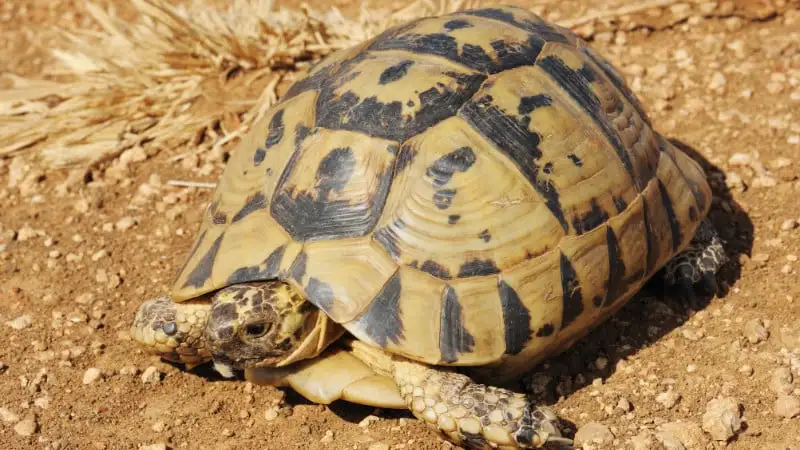 VU
Greek tortoise
Testudo graeca
Vulnerable
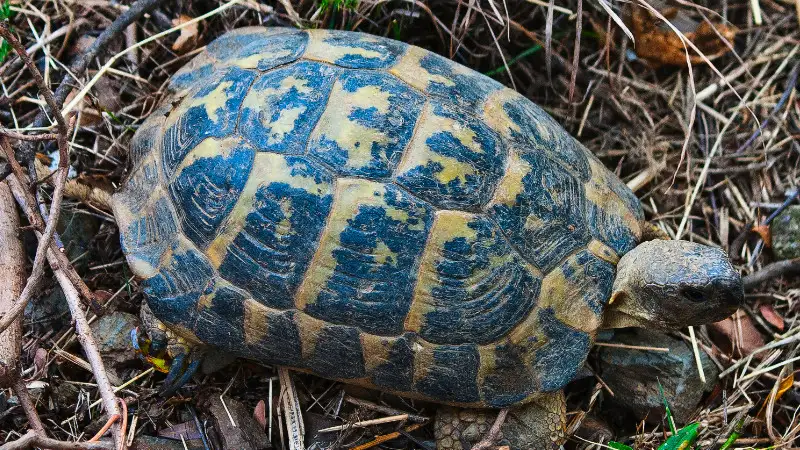 NT
Hermann's tortoise
Testudo hermanni
Near Threatened
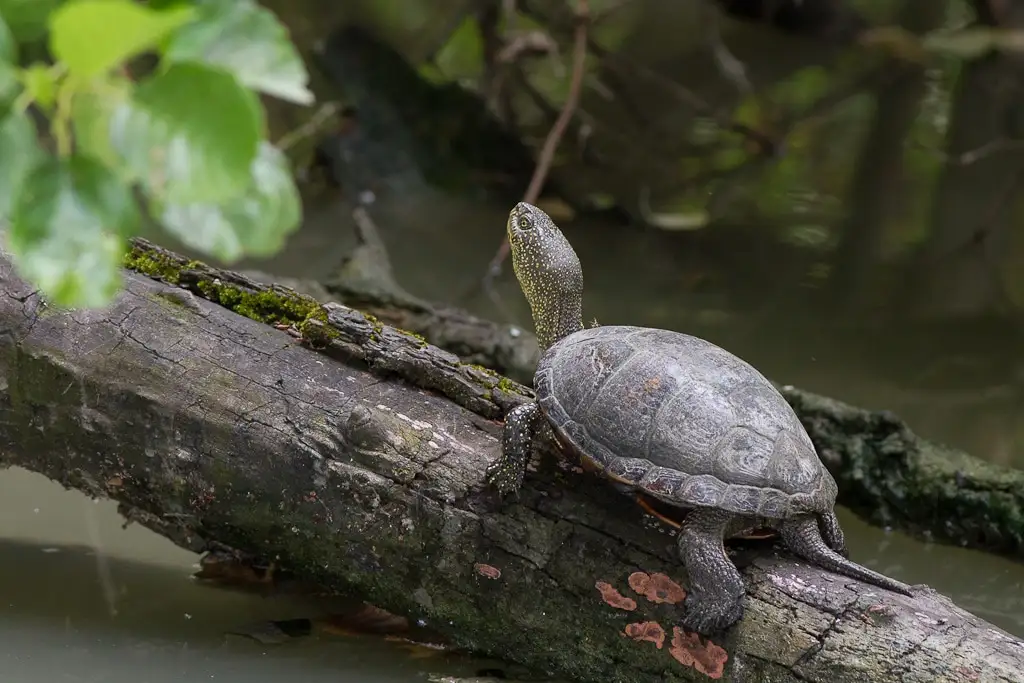 NT
European pond turtle
Emys orbicularis
Near Threatened
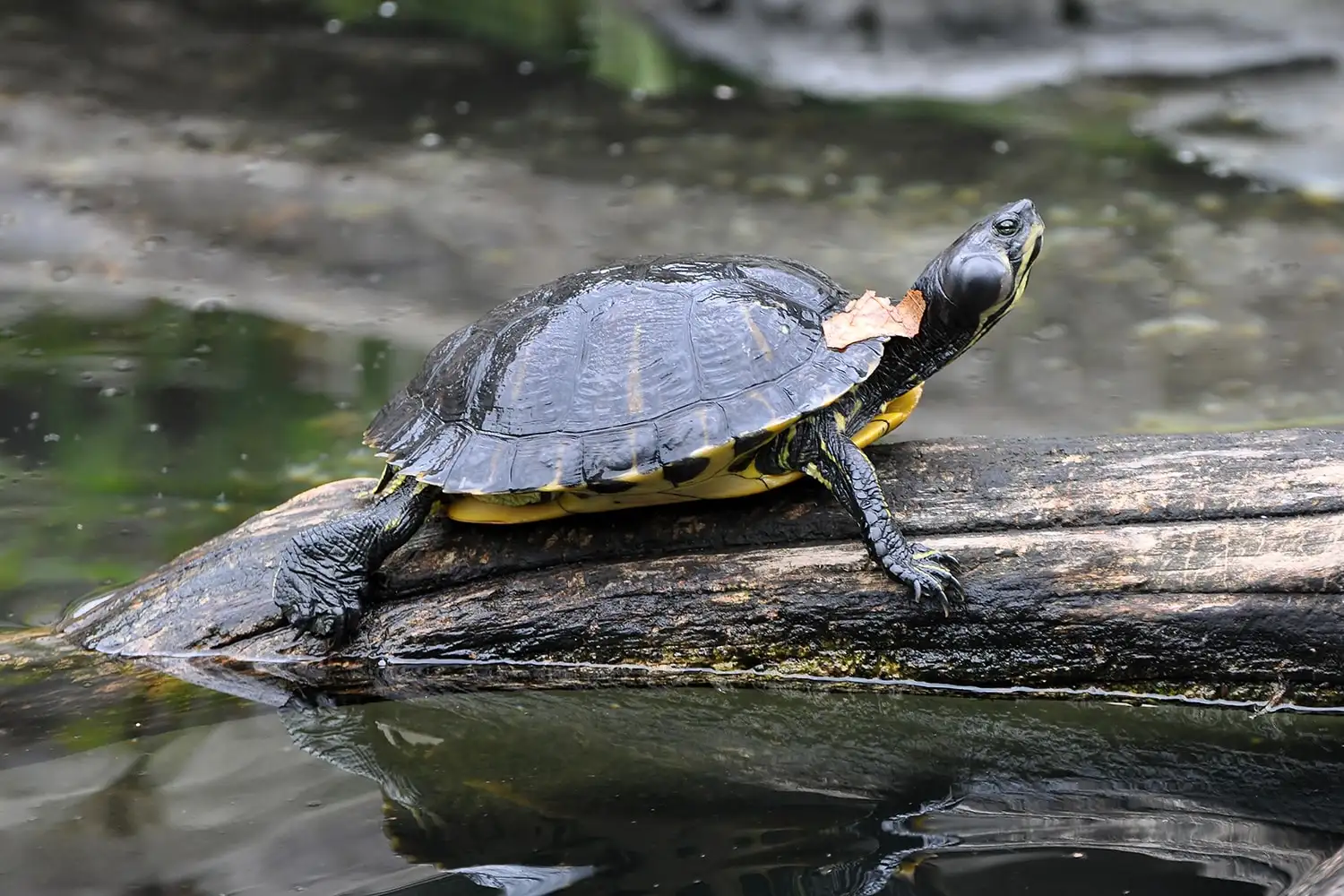 LC
Pond slider
Trachemys scripta
Least Concern
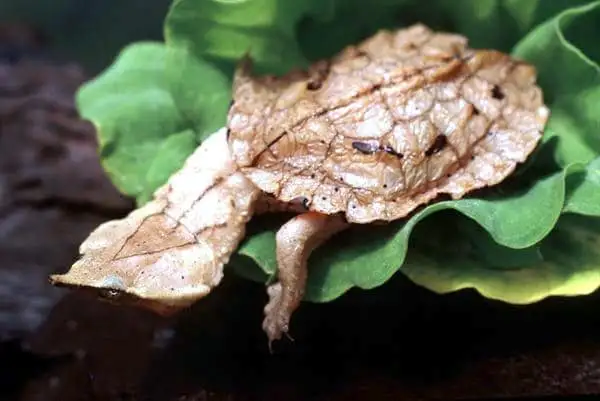 LC
Amazon mata mata
Chelus fimbriatus
Least Concern
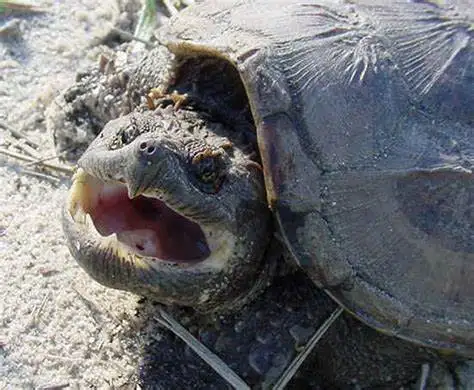 LC
Common snapping turtle
Chelydra serpentina
Least Concern