
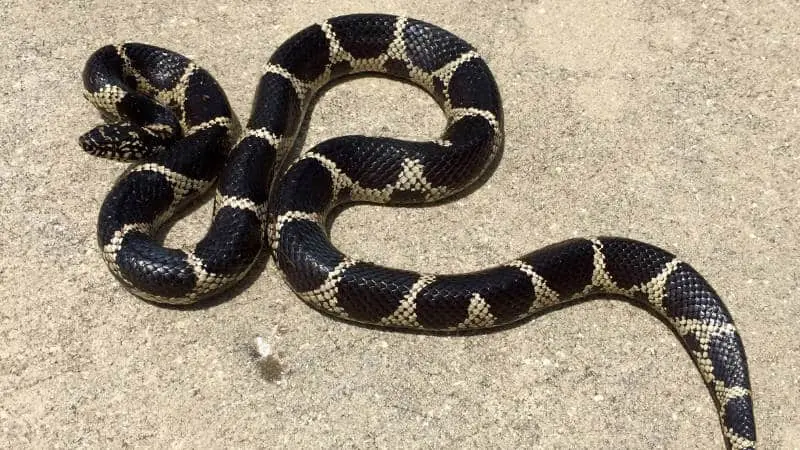
Common kingsnake
Lampropeltis getula
IUCN Red List
LC Least Concern
Who it is
Harmless to humans, as it is not venomous, it has recently been added to the list of invasive alien animals. This list includes those species that, once placed in a habitat different from their original one, prove particularly harmful to the new ecosystem in which they find themselves. Although American in origin, the kingsnake is in fact the main cause of the decline of the populations of some lizard species endemic to the island of Gran Canaria.
For now, it is holding on.
Widespread and abundant: not in danger for now.
-
LC
Least Concern
Common kingsnake
-
NT
Near Threatened
-
VU
Vulnerable
-
EN
Endangered
-
CR
Critically Endangered
The facts, in plain view.
Classification, distribution and habits: what you need to recognise it and to know where it comes from.
- Class
- Reptilia
- Family
- Colubridae
- Distribution
- Native to North America
- Habitat
- Very varied: deserts, forests, countryside
- Diet
- Reptiles and small mammals
- Size
- Up to 1.50 m
Neighbours in Tropicarium.
89 species share this environment. Each one has its own card: scientific name, habitat, diet, conservation.
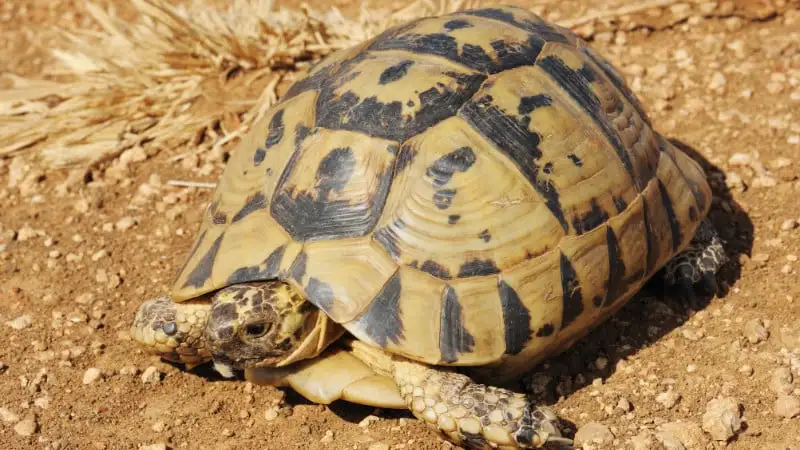 VU
Greek tortoise
Testudo graeca
Vulnerable
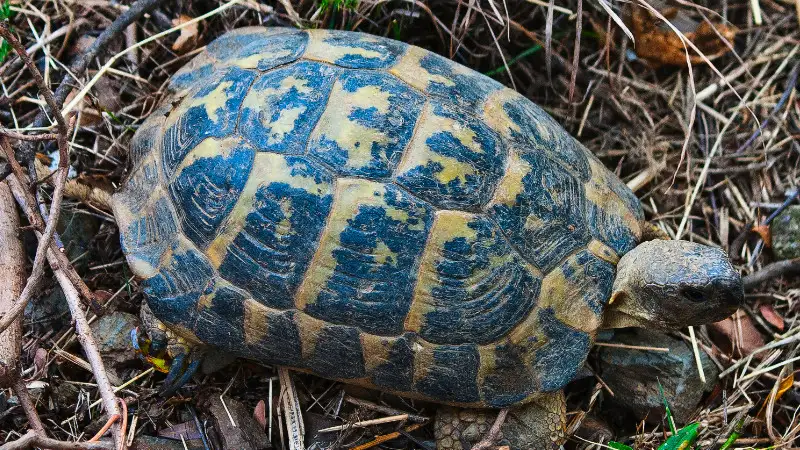 NT
Hermann's tortoise
Testudo hermanni
Near Threatened
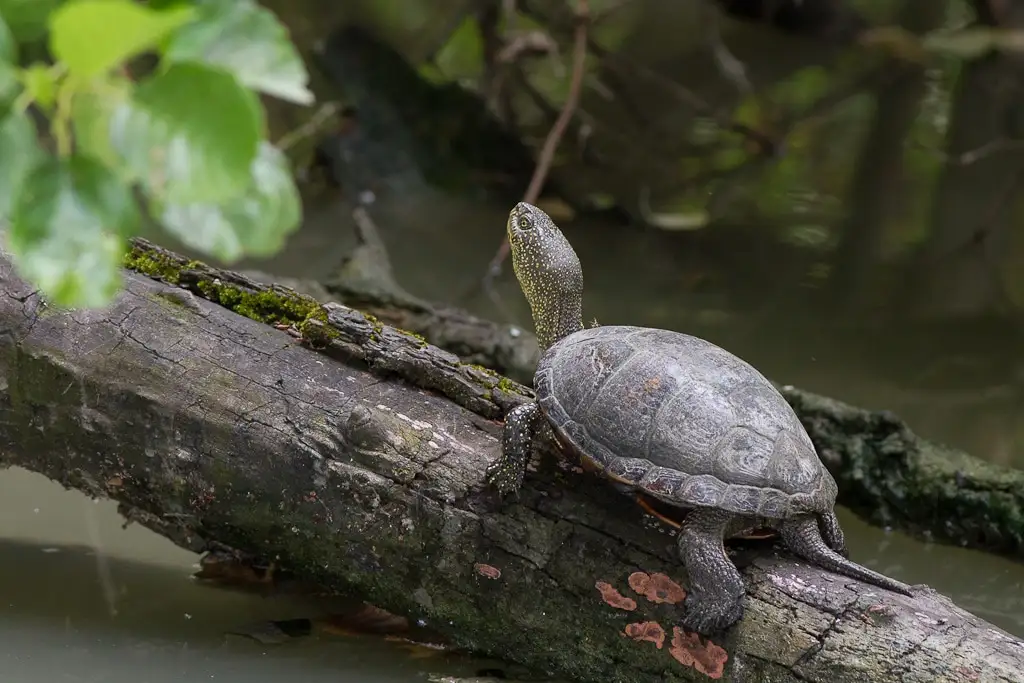 NT
European pond turtle
Emys orbicularis
Near Threatened
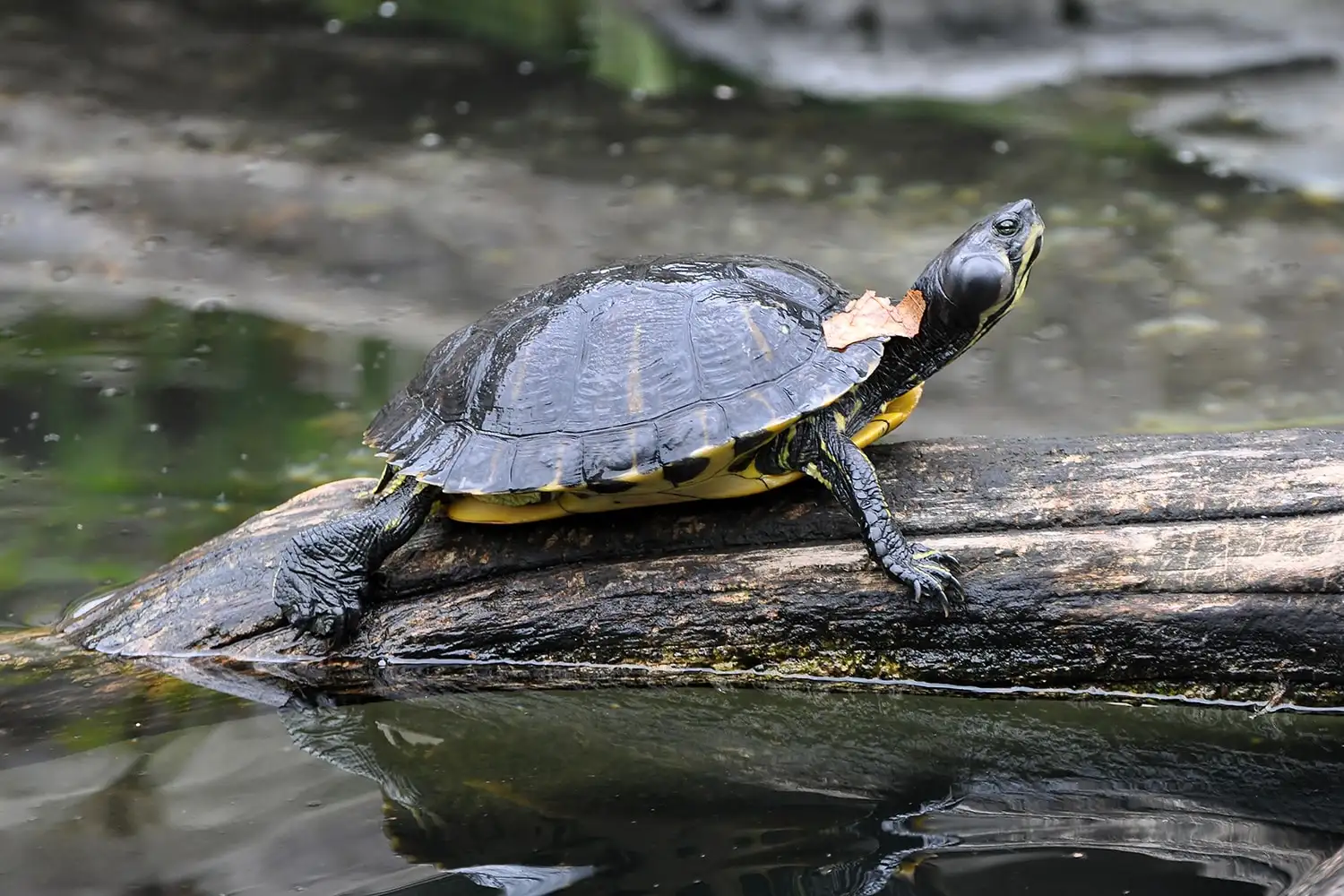 LC
Pond slider
Trachemys scripta
Least Concern
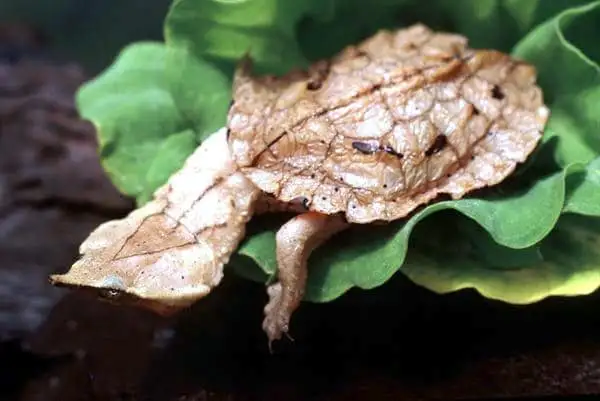 LC
Amazon mata mata
Chelus fimbriatus
Least Concern
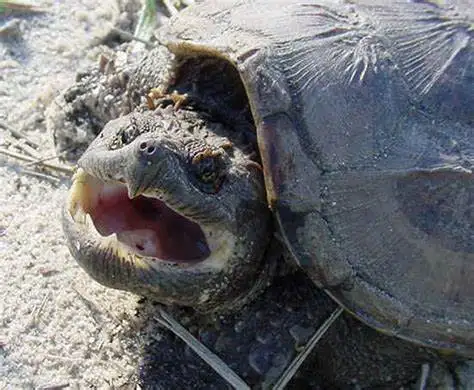 LC
Common snapping turtle
Chelydra serpentina
Least Concern