
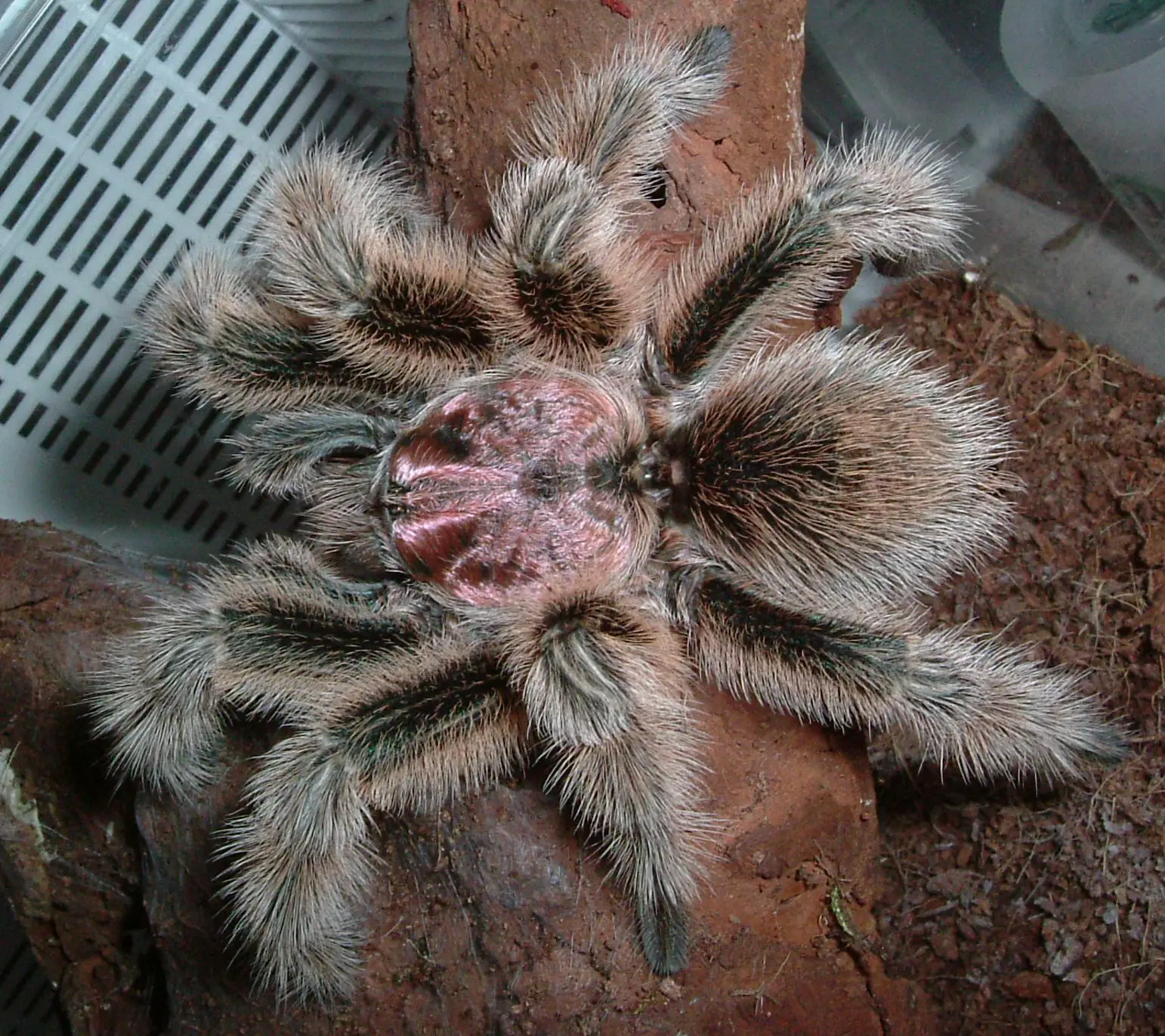
Mexican rose grey tarantula
Tliltocatl verdezi
IUCN Red List
NE Not evaluated
Who it is
It is a skilled digger that spends much of the day inside deep holes and burrows, patiently built, and comes out at dusk to hunt. Like many other American tarantulas, it can release stinging hairs to defend itself.
Nobody knows how many are left.
The Red List has not examined it yet.
-
LC
Least Concern
-
NT
Near Threatened
-
VU
Vulnerable
-
EN
Endangered
-
CR
Critically Endangered
The facts, in plain view.
Classification, distribution and habits: what you need to recognise it and to know where it comes from.
- Class
- Arachnida
- Family
- Theraphosidae
- Distribution
- Mexico
- Habitat
- Deciduous forests
- Diet
- Small insects and other invertebrates
- Size
- Up to 15 cm
Neighbours in Tropicarium.
89 species share this environment. Each one has its own card: scientific name, habitat, diet, conservation.
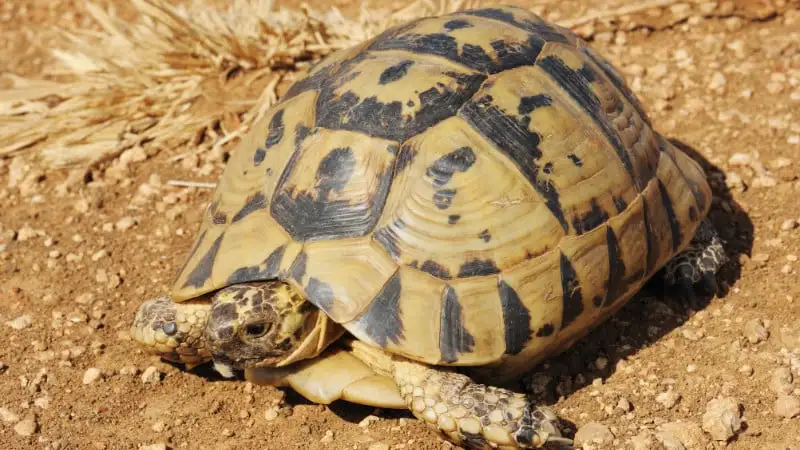 VU
Greek tortoise
Testudo graeca
Vulnerable
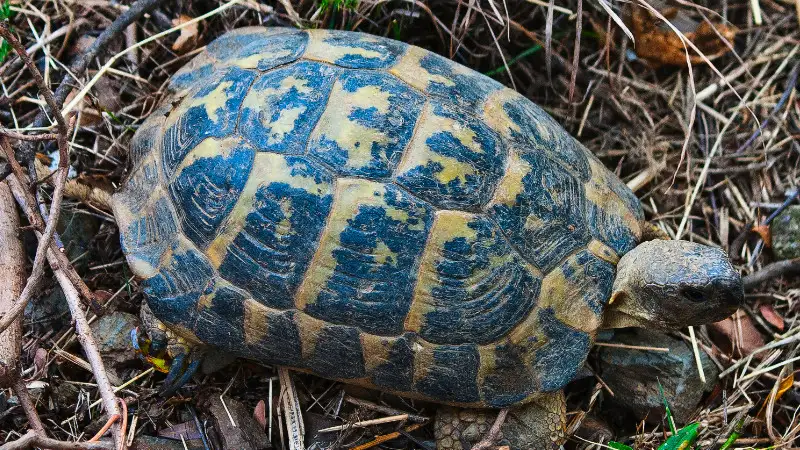 NT
Hermann's tortoise
Testudo hermanni
Near Threatened
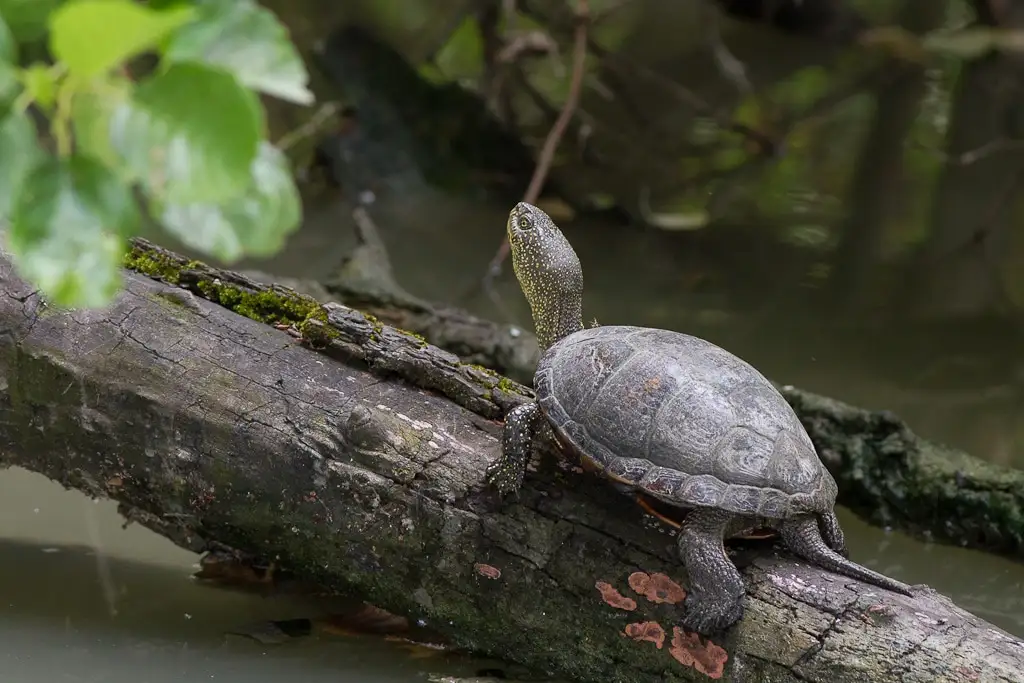 NT
European pond turtle
Emys orbicularis
Near Threatened
 LC
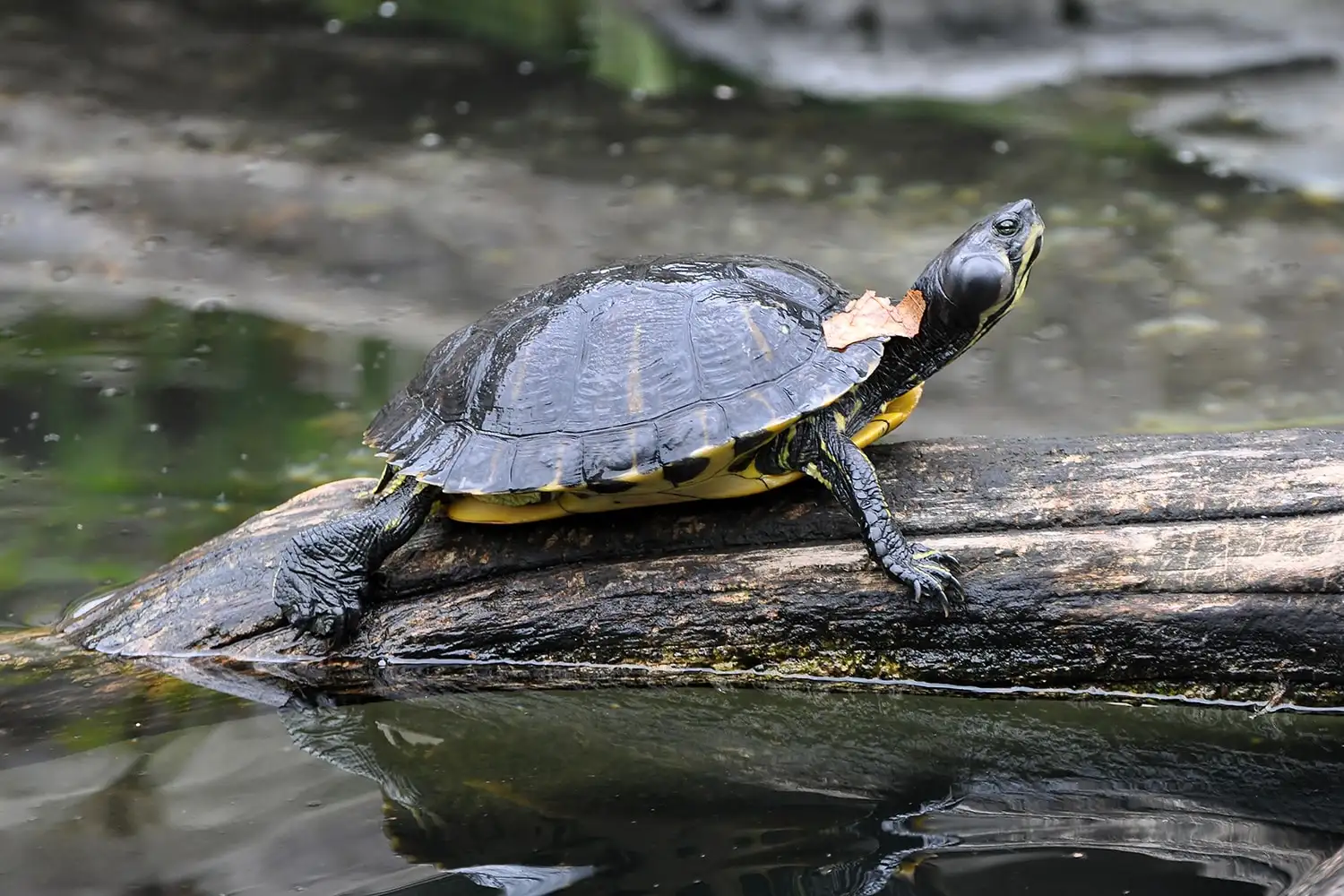
Pond slider
Trachemys scripta
Least Concern
 LC
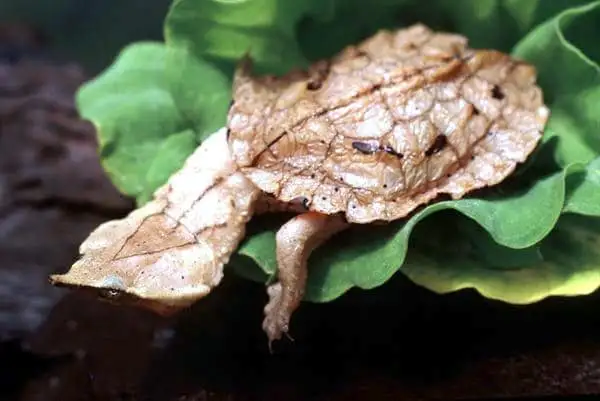
Amazon mata mata
Chelus fimbriatus
Least Concern
 LC
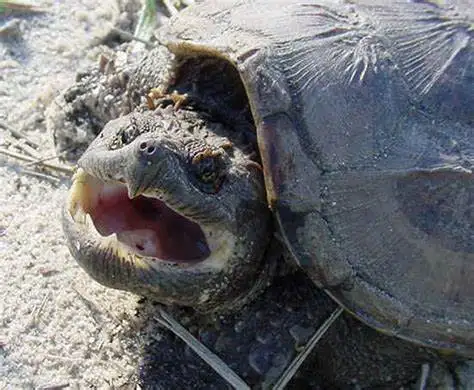
Common snapping turtle
Chelydra serpentina
Least Concern