
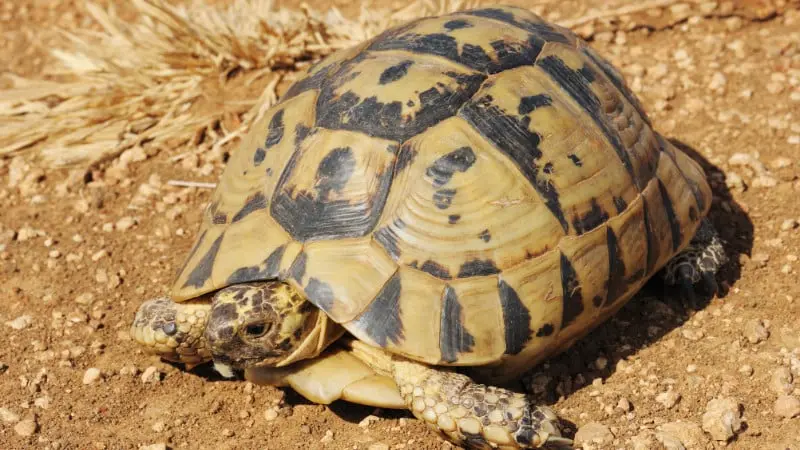
Greek tortoise
Testudo graeca
IUCN Red List
VU Vulnerable
Who it is
The Greek tortoise is one of the 3 species of Mediterranean tortoises in the genus Testudo, together with its “cousins” T. hermanni and T. marginata. It shares with them similar physical features (so much so that it is hard for the inexperienced to tell them apart) and even mythological stories. These animals were in fact used to make various tools and musical instruments and, according to myth, the god Hermes used a tortoise to make the famous lyre that he then gave to the god Apollo.
At risk of disappearing.
At high risk of extinction in the wild.
-
LC
Least Concern
-
NT
Near Threatened
-
VU
Vulnerable
Greek tortoise
-
EN
Endangered
-
CR
Critically Endangered
The facts, in plain view.
Classification, distribution and habits: what you need to recognise it and to know where it comes from.
- Class
- Reptilia
- Family
- Testudinidae
- Distribution
- Southern Europe
- Habitat
- Mediterranean scrub and hilly areas
- Diet
- Herbivorous; it supplements its diet with slugs, snails and fruit
- Size
- The adult plastron is 15-25 cm long
Neighbours in Tropicarium.
89 species share this environment. Each one has its own card: scientific name, habitat, diet, conservation.
 NT
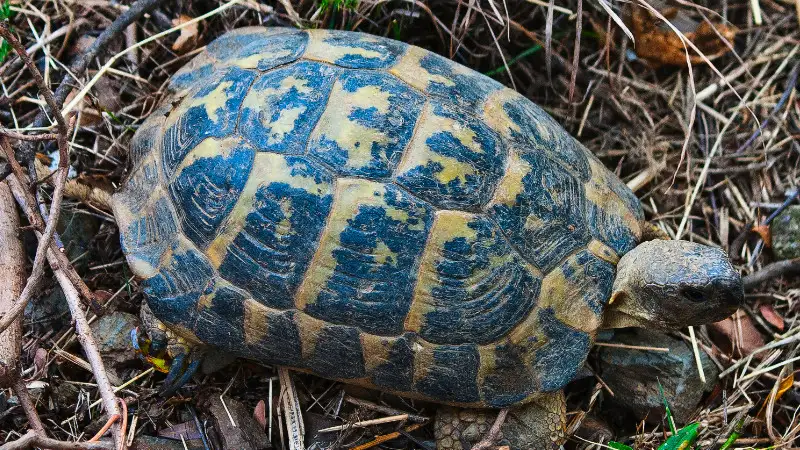
Hermann's tortoise
Testudo hermanni
Near Threatened
 NT
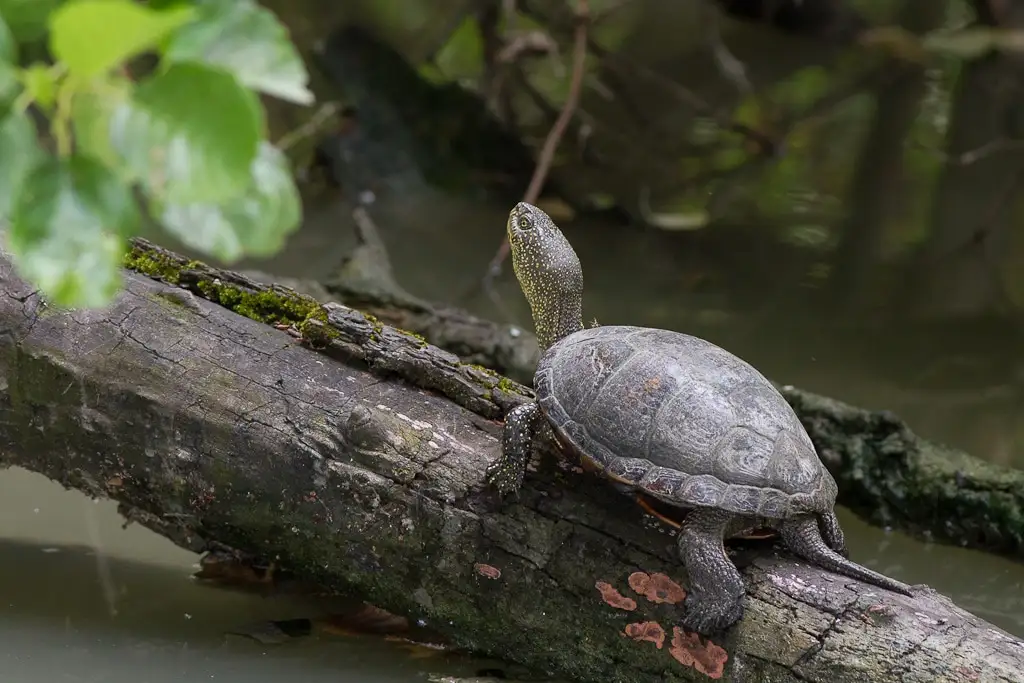
European pond turtle
Emys orbicularis
Near Threatened
 LC
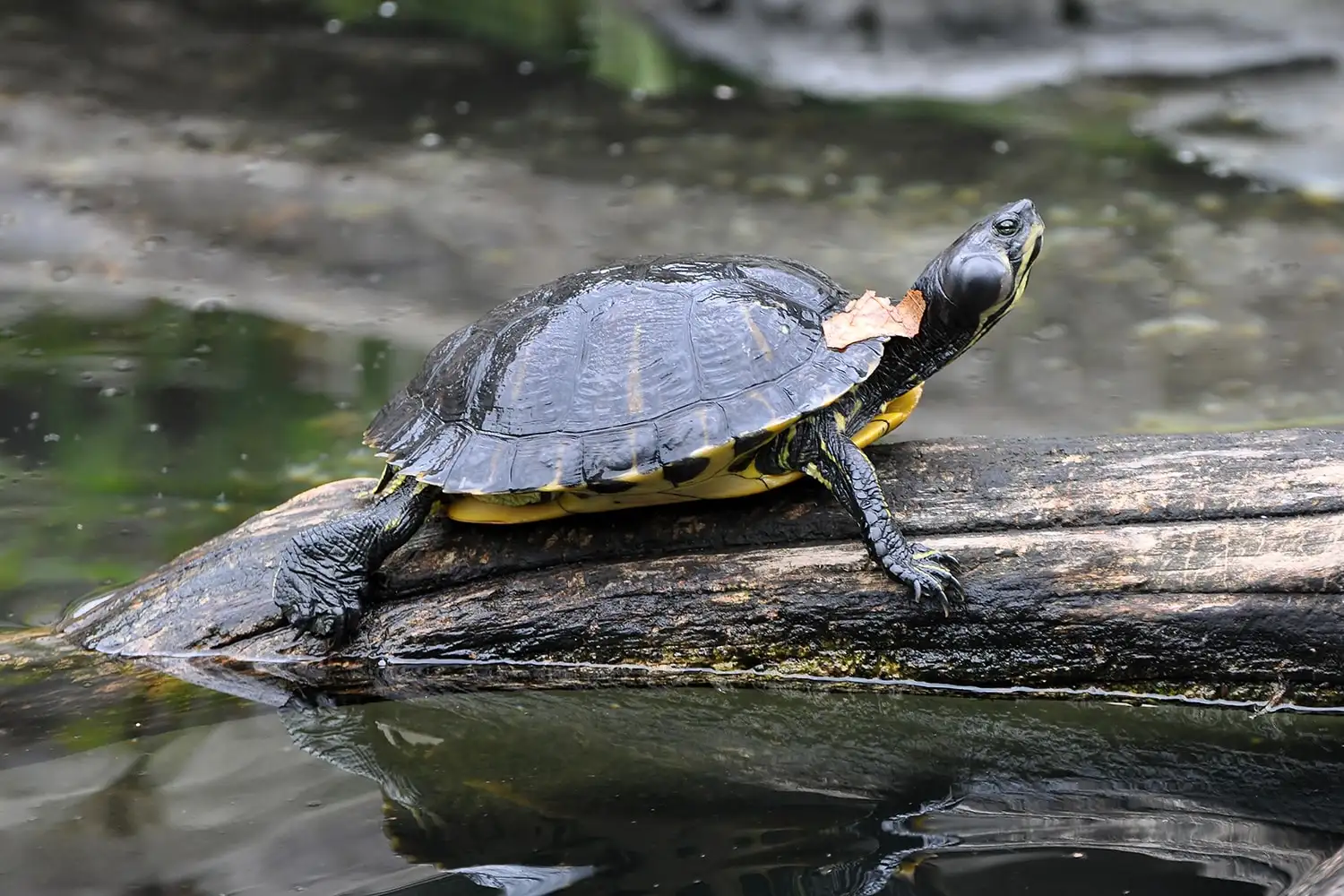
Pond slider
Trachemys scripta
Least Concern
 LC
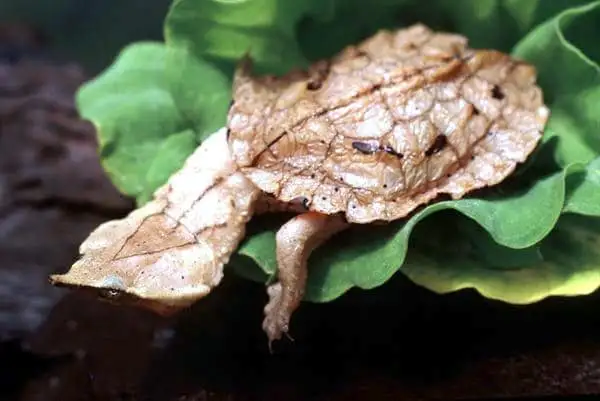
Amazon mata mata
Chelus fimbriatus
Least Concern
 LC
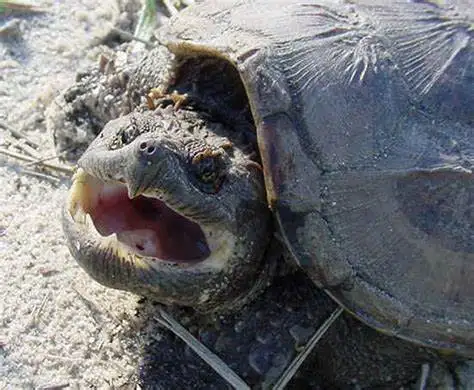
Common snapping turtle
Chelydra serpentina
Least Concern
 NT
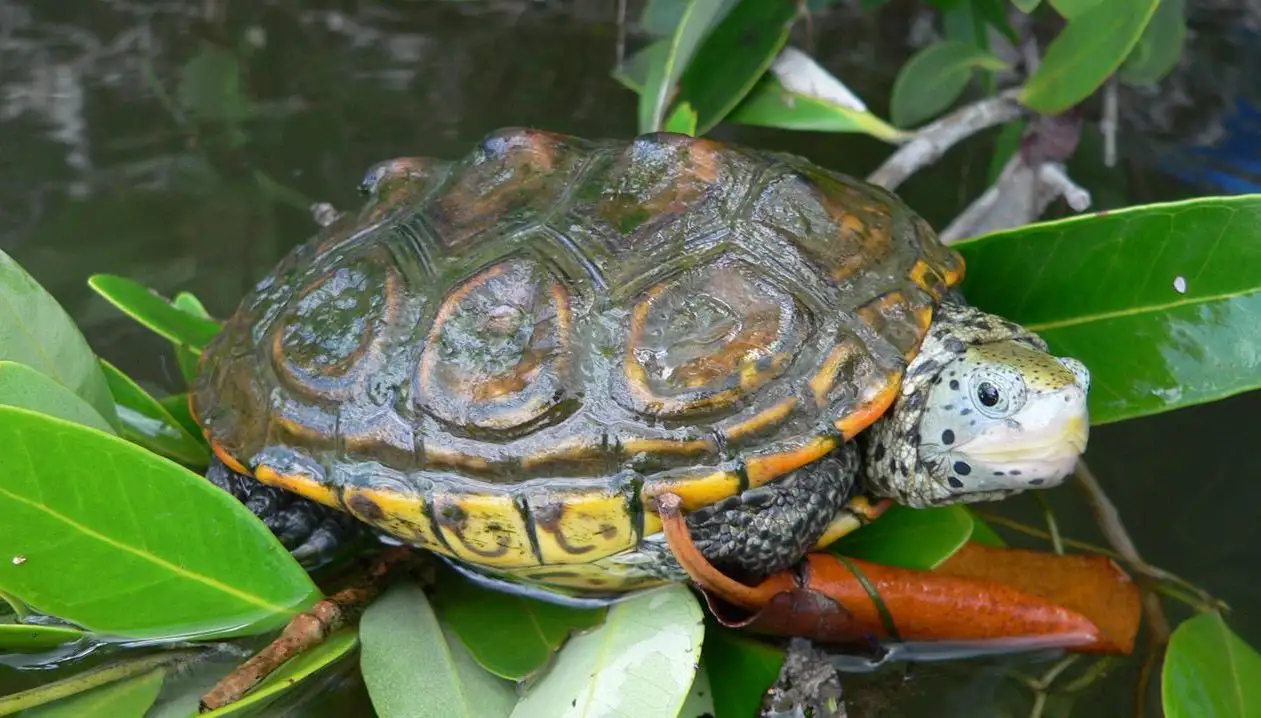
Diamondback terrapin
Malaclemys terrapin
Near Threatened