
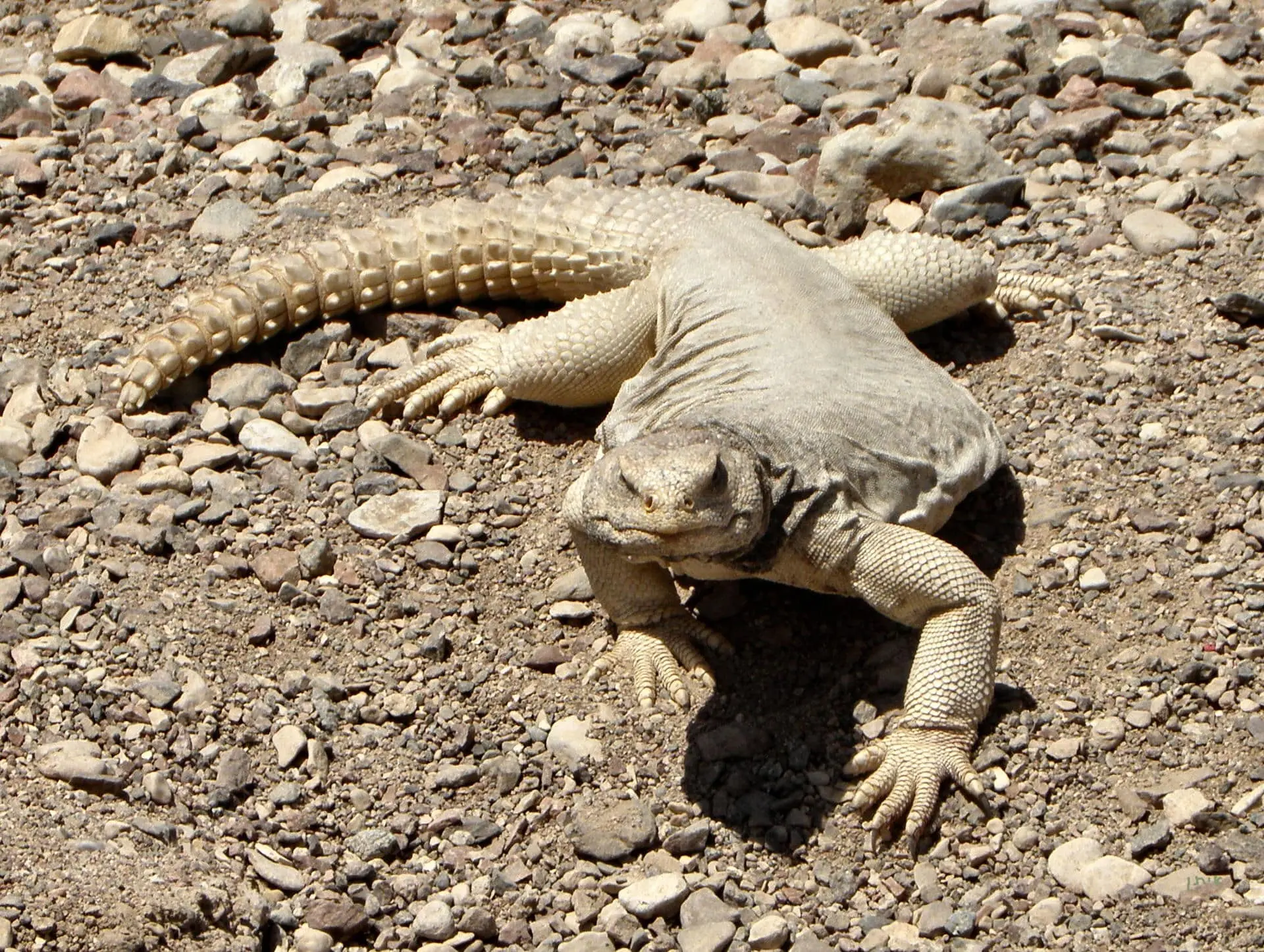
Spiny-tailed lizard
Uromastyx spp.
IUCN Red List
VU Vulnerable
Who it is
Its most obvious feature is its thick, muscular tail, covered in conical, spiny scales: it uses it both as a defensive “club” and to anchor itself firmly in rocky crevices. It is an animal perfectly adapted to desert life, with a metabolism that needs body temperatures that can even exceed 40 °C.
At risk of disappearing.
At high risk of extinction in the wild.
-
LC
Least Concern
-
NT
Near Threatened
-
VU
Vulnerable
Spiny-tailed lizard
-
EN
Endangered
-
CR
Critically Endangered
The facts, in plain view.
Classification, distribution and habits: what you need to recognise it and to know where it comes from.
- Class
- Reptilia
- Family
- Agaminidae
- Distribution
- North Africa and the Middle East
- Habitat
- Desert areas
- Diet
- Fruit and vegetables
- Size
- Up to 70 cm
Neighbours in Tropicarium.
89 species share this environment. Each one has its own card: scientific name, habitat, diet, conservation.
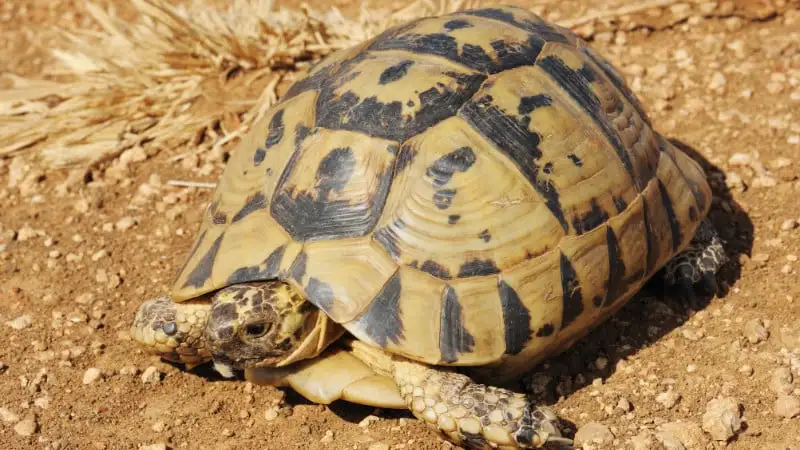 VU
Greek tortoise
Testudo graeca
Vulnerable
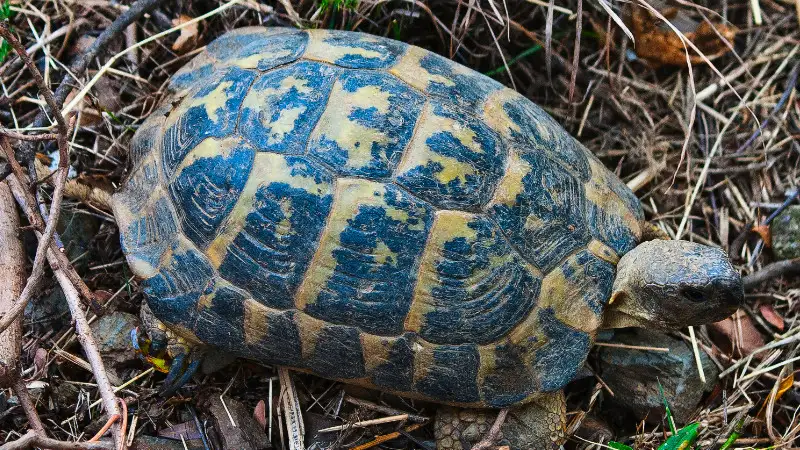 NT
Hermann's tortoise
Testudo hermanni
Near Threatened
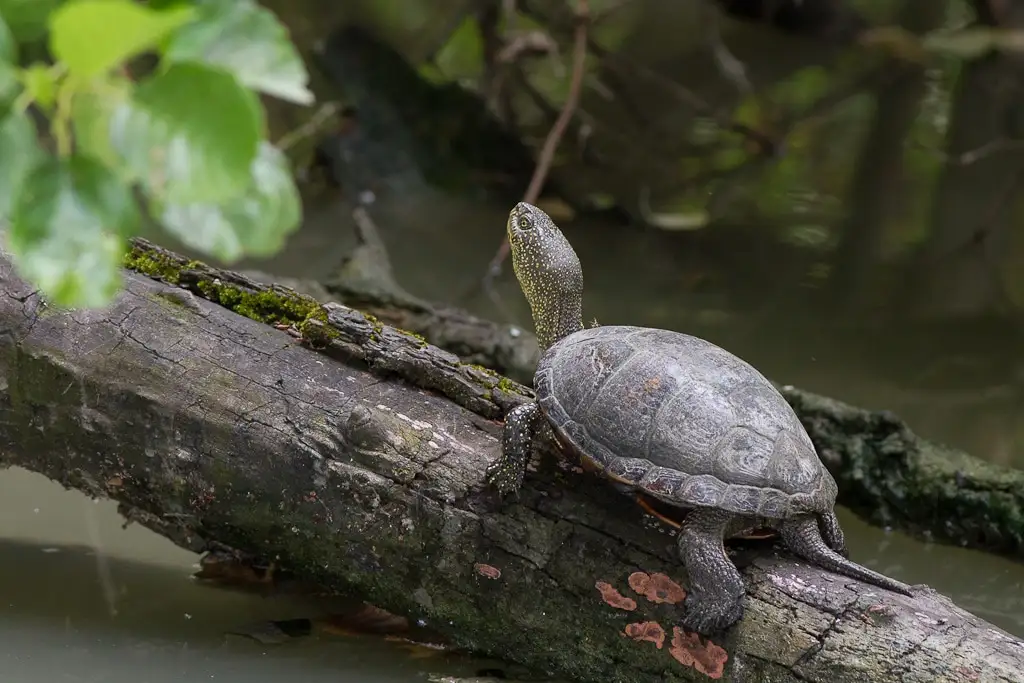 NT
European pond turtle
Emys orbicularis
Near Threatened
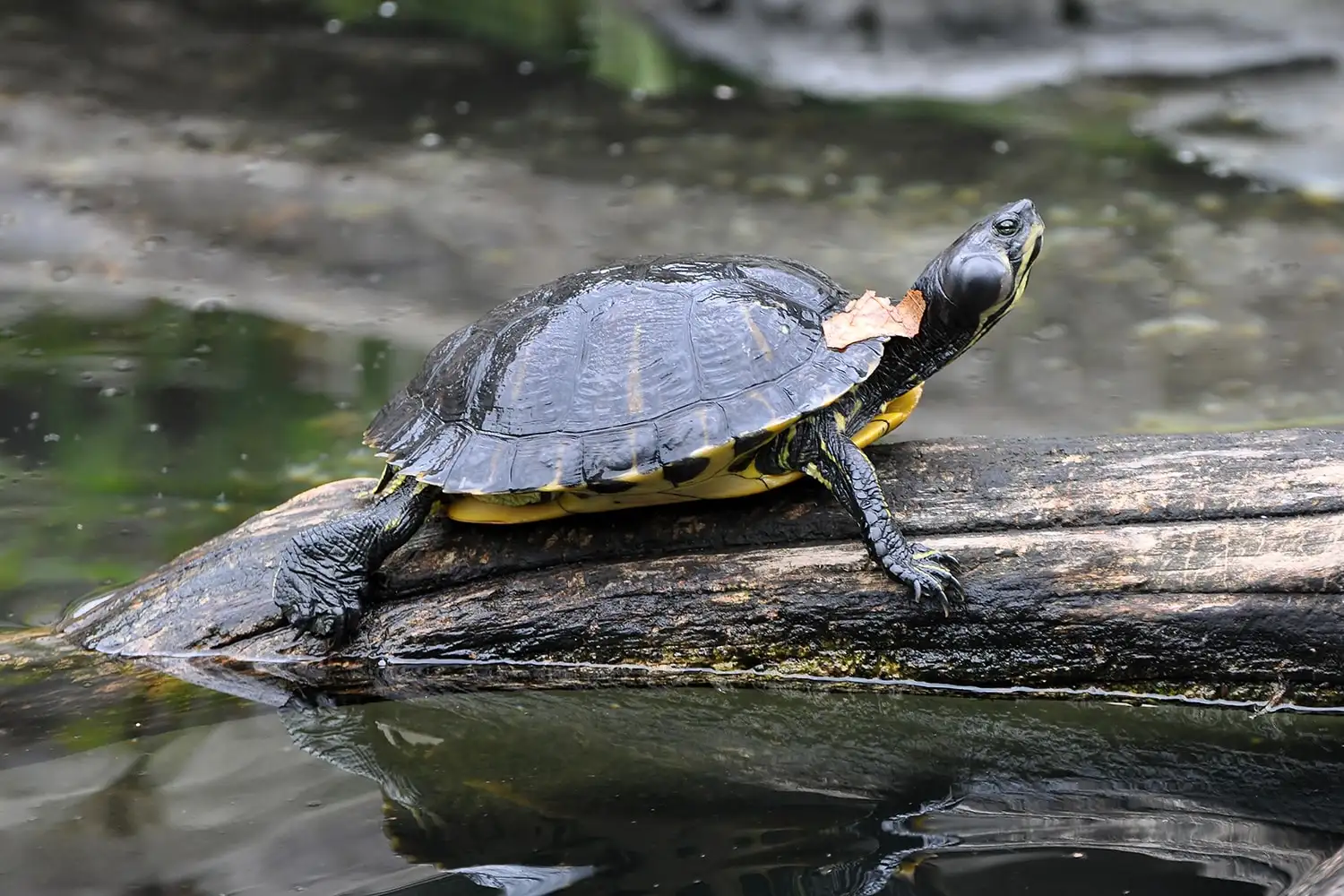 LC
Pond slider
Trachemys scripta
Least Concern
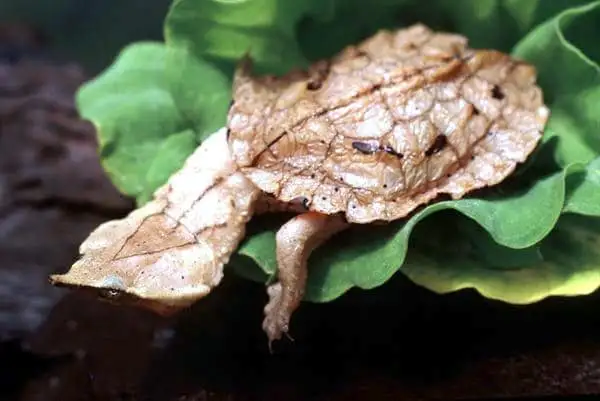 LC
Amazon mata mata
Chelus fimbriatus
Least Concern
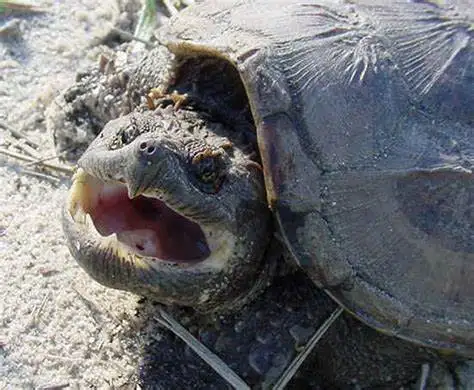 LC
Common snapping turtle
Chelydra serpentina
Least Concern