https://www.tropicarium.it/wp-content/uploads/2026/01/Icoccodrilli_it_fix.mp3
https://www.tropicarium.it/wp-content/uploads/2026/01/Icoccodrilli_en.mp3
https://www.tropicarium.it/wp-content/uploads/2026/01/Icoccodrilli_de.mp3
I COCCODRILLI
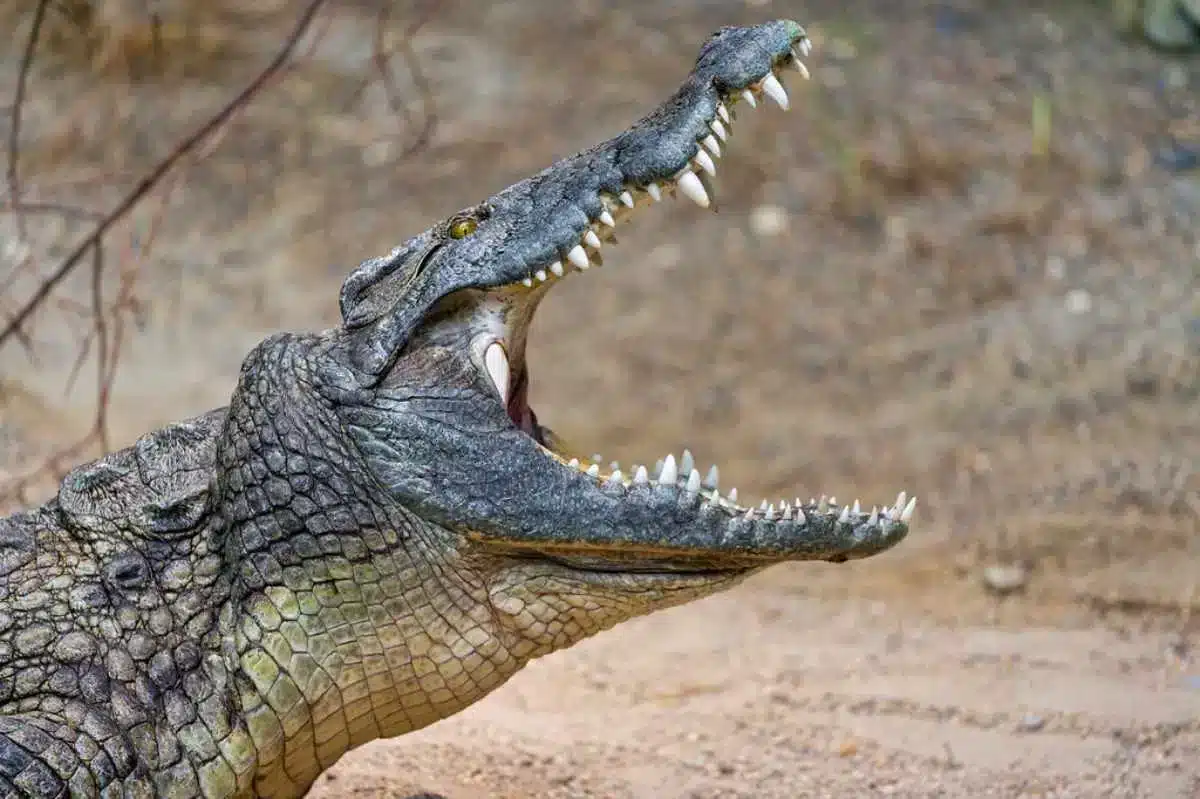
Se pensiamo ai grandi predatori, la nostra immaginazione potrebbe viaggiare indietro nel tempo fino all’epoca dei dinosauri, dove il Tirannosauro o lo Spinosauro incarnavano al meglio l’idea del predatore perfetto: grandi dimensioni, una pelle corazzata, lunghi denti affilati e sensi molto sviluppati. Tuttavia, ci sono specie che ancora oggi ricordano molto le caratteristiche di questi predatori preistorici, primi fra tutti i coccodrilli. Ne esistono numerose specie, dai più piccoli Caimani Nani fino al più grande Coccodrillo Marino, tutti ricoperti da una pelle molto spessa e dotati di denti aguzzi. La coda, robusta e molto lunga, è un’ottima arma di difesa, ma soprattutto un perfetto propulsore per nuotare velocemente nelle torbide acque dei fiumi e delle paludi. La specie più grande che ospitiamo qui al Tropicarium Park è il Coccodrillo del Nilo, in un exhibit in cui Godzilla, il nome che abbiamo dato all’esemplare maschio, convive con Ruby, la sua compagna.
Godzilla, superando i 4 metri di lunghezza, risulta molto più grande di Ruby e questo è dovuto non solo al dimorfismo sessuale, ossia quando esistono differenze tra i due sessi relativamente a dimensioni, colori e forme, ma soprattutto alla differenza di età: oltre i 50 anni per Godzilla contro i 30 di Ruby. Avendo il sangue freddo come gli altri rettili, la mobilità è abbastanza limitata alle poche necessità vitali come la caccia e la termoregolazione, una limitazione ancor più accentuata dalle grandi dimensioni di questa specie. Non a caso, spesso ci viene chiesto se siano animali veri o finti! Ma non preoccupatevi: nel successivo exhibit dedicato ai Coccodrilli Siamesi, le dimensioni ridotte e la giovane età degli esemplari ospitati aumentano sicuramente il tempo di attività giornaliera, con maggiori probabilità di osservarli in movimento. Qualsiasi sia la specie, i coccodrilli sono famosi per la forza incredibile del loro morso, il più potente misurato in natura. È però curioso sapere che, d’altra parte, la loro apertura mascellare è molto debole, a tal punto che un uomo adulto sarebbe in grado di tenere chiusa la bocca di un coccodrillo utilizzando una sola mano!
Curiosità
Avete mai sentito l’espressione “versare lacrime di coccodrillo”? Viene usata per descrivere una persona che finge tristezza pur non provando alcun reale dispiacere. Deriva da un comportamento osservato in alcuni coccodrilli che, dopo aver mangiato, versano lacrime sembrando quasi dispiaciuti per ciò che hanno appena fatto. In realtà, queste lacrime non hanno nulla a che fare con la tristezza o il rimorso, ma rappresentano un fenomeno puramente fisiologico. I coccodrilli non sono in grado di masticare e, per alimentarsi, devono inghiottire grandi porzioni delle loro prede. Così facendo comprimono le ghiandole lacrimali poste vicino agli occhi, stimolando la fuoriuscita di lacrime che servono a lubrificare e pulire gli occhi ed espellere il sale in eccesso. Quindi, non si tratta affatto di pentimento, ma semplicemente di un effetto meccanico della loro abbuffata!
CROCODILES
When we think of large predators, our imagination may travel back in time to the age of dinosaurs, when Tyrannosaurus or Spinosaurus best embodied the idea of the perfect predator: large size, armored skin, long sharp teeth and highly developed senses. However, there are species that still strongly resemble these prehistoric predators today, first and foremost crocodiles. There are numerous species, ranging from the small Dwarf Caimans to the largest Saltwater Crocodile, all covered with very thick skin and equipped with sharp teeth. The tail, robust and very long, is an excellent defensive weapon, but above all a perfect propeller for swimming quickly through the murky waters of rivers and swamps. The largest species we host here at Tropicarium Park is the Nile Crocodile, in an exhibit where Godzilla, the name we gave to the male specimen, lives together with Ruby, his mate.
Godzilla, exceeding 4 meters in length, is much larger than Ruby and this is due not only to sexual dimorphism, meaning differences between the sexes in size, color and shape, but above all to the age difference: over 50 years for Godzilla compared to 30 for Ruby. Being cold-blooded like other reptiles, their mobility is quite limited to basic vital needs such as hunting and thermoregulation, a limitation further emphasized by the large size of this species. Not surprisingly, visitors often ask whether they are real or fake animals! But don’t worry: in the following exhibit dedicated to Siamese Crocodiles, the smaller size and young age of the specimens certainly increase their daily activity, offering greater chances to observe them in motion. Regardless of the species, crocodiles are famous for the incredible strength of their bite, the most powerful ever measured in nature. It is curious to know, however, that on the other hand their jaw-opening strength is very weak, to the point that an adult human could hold a crocodile’s mouth closed using just one hand!
Fun facts
Have you ever heard the expression “to shed crocodile tears”? It is used to describe someone who pretends to be sad without truly feeling any sorrow. It originates from a behavior observed in some crocodiles which, after eating, shed tears, appearing almost remorseful for what they have done. In reality, these tears have nothing to do with sadness but are a purely physiological reaction. Crocodiles cannot chew, so they must swallow large pieces of their prey. In doing so, they compress the lacrimal glands near their eyes, stimulating tear production, which serves to clean and lubricate the eyes and eliminate excess salt. So, it is not a sign of regret at all, but simply a mechanical effect of their feast!
KROKODILE
Wenn wir an große Raubtiere denken, kann unsere Vorstellung in die Zeit der Dinosaurier zurückreisen, als Tyrannosaurus oder Spinosaurus das Bild des perfekten Jägers verkörperten: große Körpergröße, gepanzerte Haut, lange scharfe Zähne und hochentwickelte Sinne. Dennoch gibt es Arten, die auch heute noch stark an diese prähistorischen Raubtiere erinnern, allen voran die Krokodile. Es gibt zahlreiche Arten, von den kleinen Zwergkaimanen bis zum größten Leistenkrokodil, alle mit sehr dicker Haut und scharfen Zähnen ausgestattet. Der kräftige und sehr lange Schwanz ist eine hervorragende Verteidigungswaffe, vor allem aber ein perfekter Antrieb, um schnell durch das trübe Wasser von Flüssen und Sümpfen zu schwimmen. Die größte Art, die wir hier im Tropicarium Park beherbergen, ist das Nilkrokodil, in einem Gehege, in dem Godzilla, der Name unseres Männchens, zusammen mit Ruby, seinem Weibchen, lebt.
Godzilla, der über 4 Meter lang ist, ist deutlich größer als Ruby, was nicht nur auf den Geschlechtsdimorphismus zurückzuführen ist, also Unterschiede zwischen den Geschlechtern in Größe, Farbe und Form, sondern vor allem auf den Altersunterschied: über 50 Jahre bei Godzilla gegenüber 30 bei Ruby. Da sie wie andere Reptilien wechselwarm sind, ist ihre Beweglichkeit auf wenige lebensnotwendige Aktivitäten wie Jagd und Thermoregulation beschränkt, eine Einschränkung, die durch die enorme Körpergröße dieser Art noch verstärkt wird. Kein Wunder also, dass Besucher uns oft fragen, ob es sich um echte oder künstliche Tiere handelt! Aber keine Sorge: Im nächsten Gehege, das den Siamkrokodilen gewidmet ist, sorgen die geringere Größe und das junge Alter der Tiere für eine deutlich höhere tägliche Aktivität und damit für bessere Beobachtungsmöglichkeiten. Unabhängig von der Art sind Krokodile berühmt für die unglaubliche Kraft ihres Bisses, den stärksten, der jemals in der Natur gemessen wurde. Interessanterweise ist jedoch die Kraft zum Öffnen des Mauls sehr gering, sodass ein erwachsener Mensch das Maul eines Krokodils mit nur einer Hand geschlossen halten könnte!
Kuriosität
Kennst du den Ausdruck „Krokodilstränen vergießen“? Er beschreibt eine Person, die Traurigkeit vortäuscht, obwohl sie keinen wirklichen Schmerz empfindet. Er stammt von einem Verhalten, das bei einigen Krokodilen beobachtet wurde, die nach dem Fressen Tränen vergießen und dabei beinahe reuevoll wirken. In Wahrheit haben diese Tränen nichts mit Trauer zu tun, sondern sind ein rein physiologischer Vorgang. Krokodile können nicht kauen und müssen daher große Stücke ihrer Beute hinunterschlingen. Dabei drücken sie die Tränendrüsen in der Nähe der Augen zusammen, was die Tränenproduktion anregt, die vor allem der Reinigung und Befeuchtung der Augen sowie der Ausscheidung von überschüssigem Salz dient. Es handelt sich also keineswegs um Reue, sondern lediglich um einen mechanischen Effekt ihrer Mahlzeit!
