
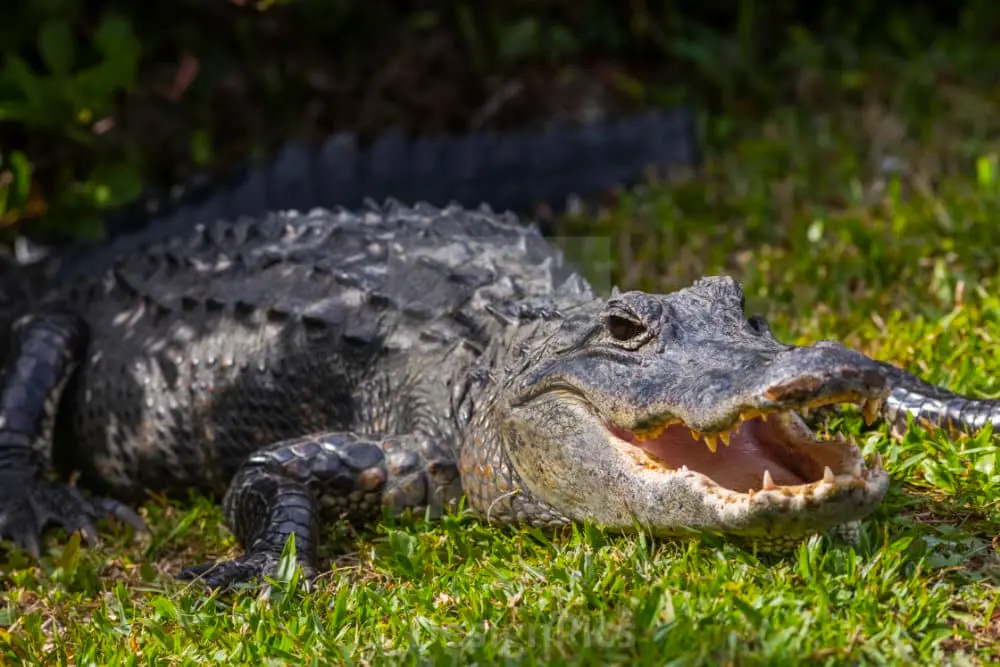
American alligator
Alligator mississippiensis
IUCN Red List
LC Least Concern
Who it is
When the American alligator spots its prey, it dives, leaving only its head above the surface, and swims without a sound until it is close enough to attack. Sometimes it leaps to catch birds in flight. During the mating season the males become very noisy, calling out to attract the females, which in turn answer! In winter alligators hibernate. They can even survive the water freezing, by poking their nostrils above the layer of ice and so carrying on breathing.
For now, it is holding on.
Widespread and abundant: not in danger for now.
-
LC
Least Concern
American alligator
-
NT
Near Threatened
-
VU
Vulnerable
-
EN
Endangered
-
CR
Critically Endangered
The facts, in plain view.
Classification, distribution and habits: what you need to recognise it and to know where it comes from.
- Class
- Reptilia
- Family
- Alligatoridae
- Distribution
- South-eastern USA
- Habitat
- Freshwater marshes, lakes and rivers
- Diet
- The young feed on large invertebrates, fish and amphibians. As adults they prey on any animal, including other alligators
- Size
- On average, up to 4.50 m
Neighbours in Predators.
18 species share this environment. Each one has its own card: scientific name, habitat, diet, conservation.
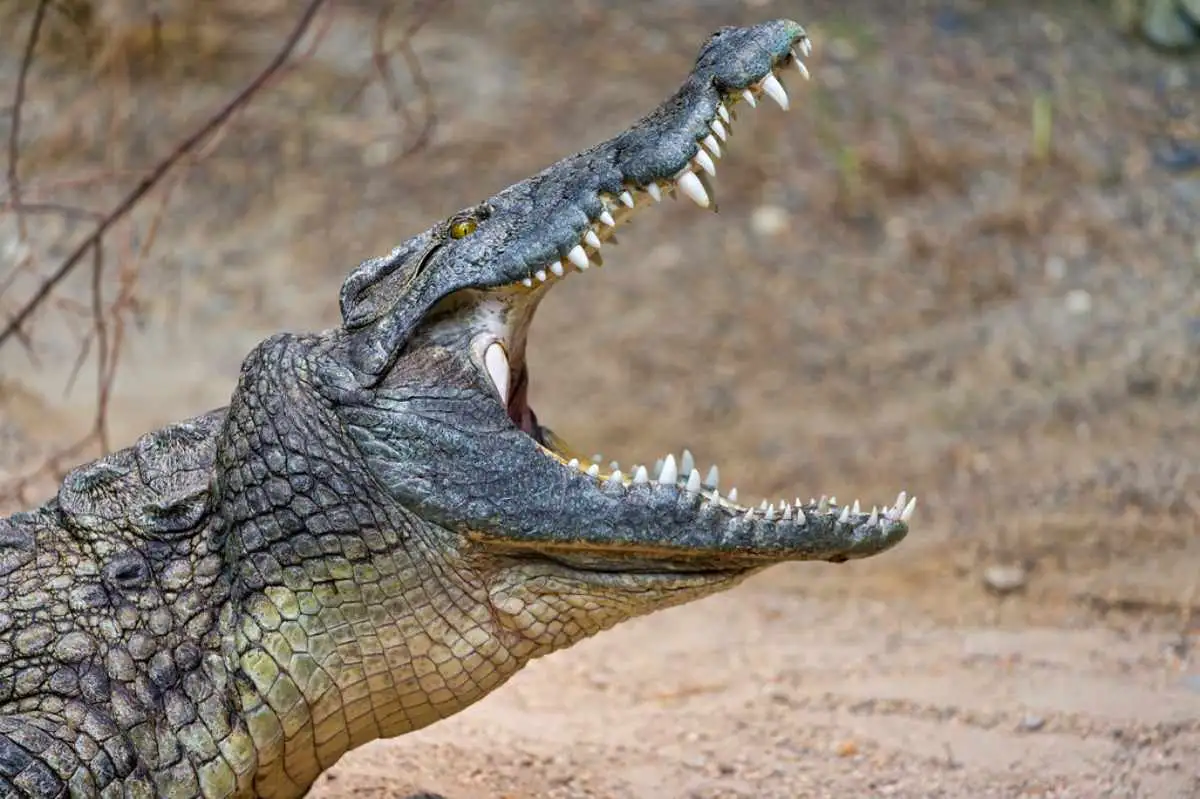 LC
Nile crocodile
Crocodylus niloticus
Least Concern
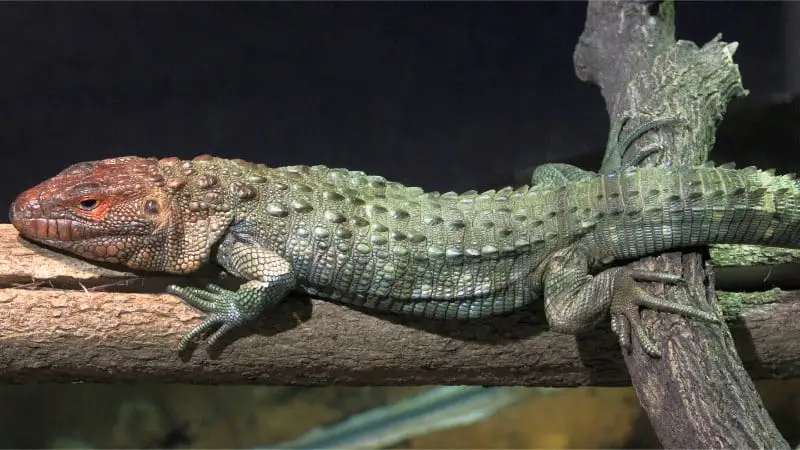 LC
Northern caiman lizard
Dracaena guianensis
Least Concern
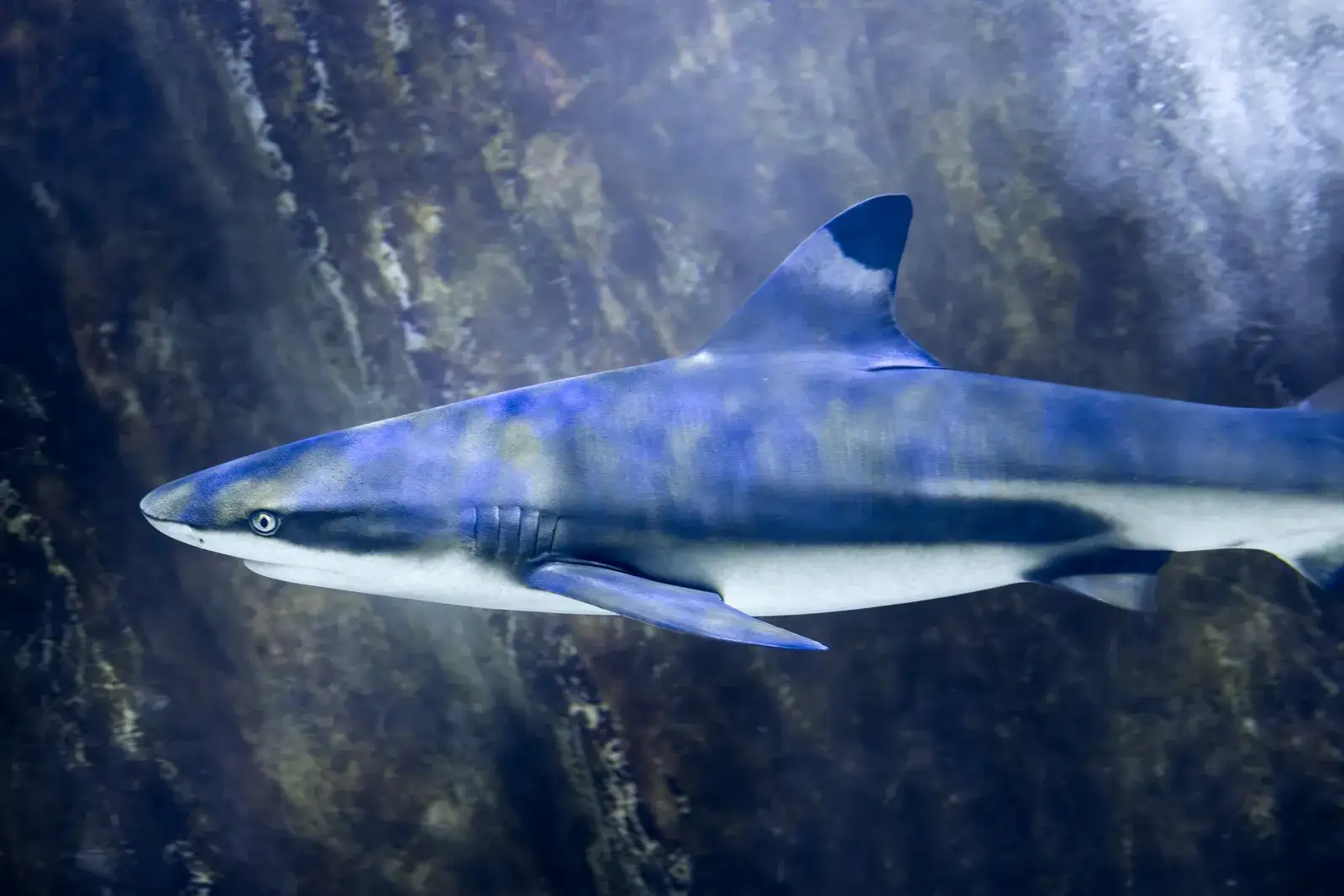 VU
Blacktip reef shark
Carcharhinus melanopterus
Vulnerable
 CR
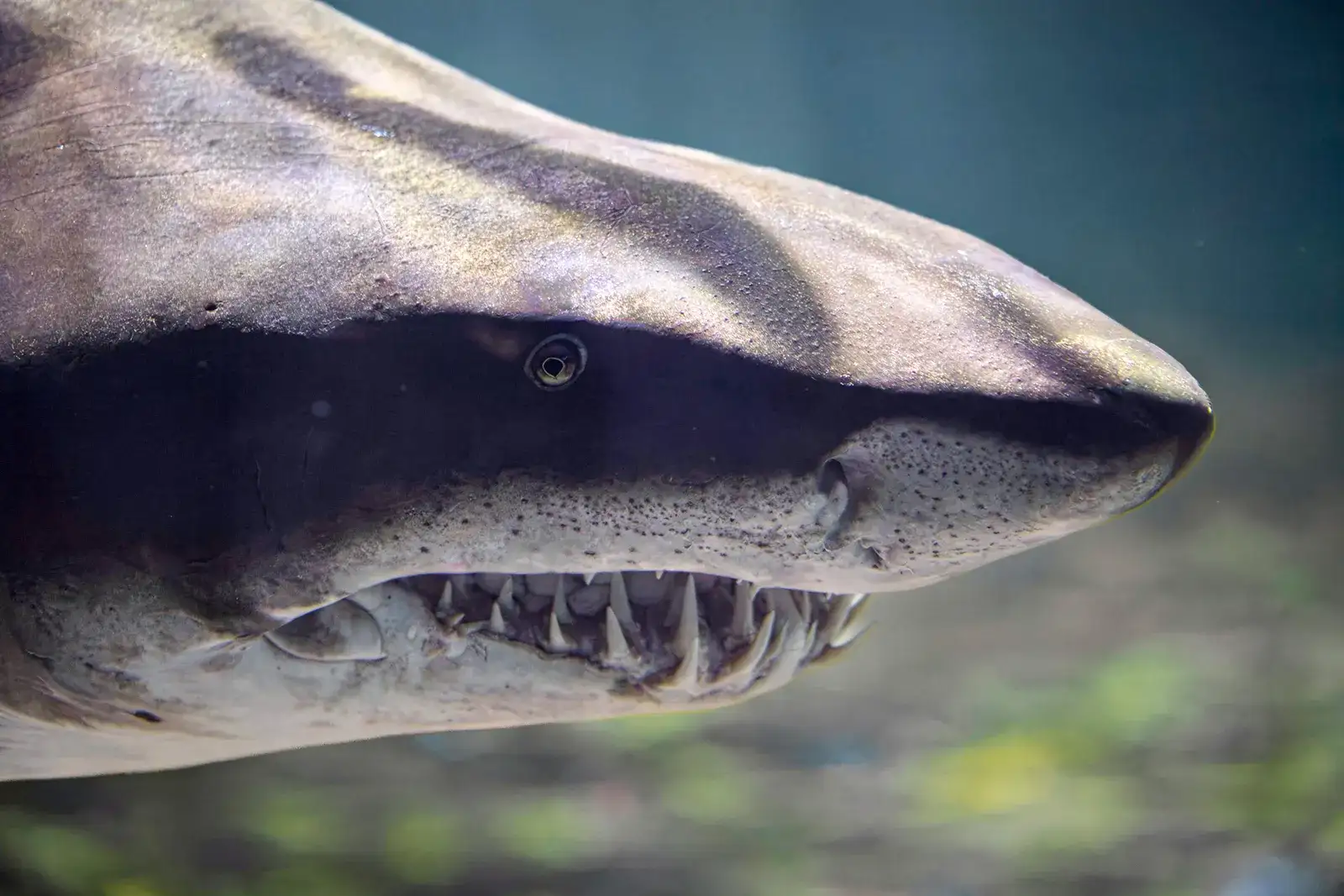
Sand tiger shark
Carcharias taurus
Critically Endangered
 VU
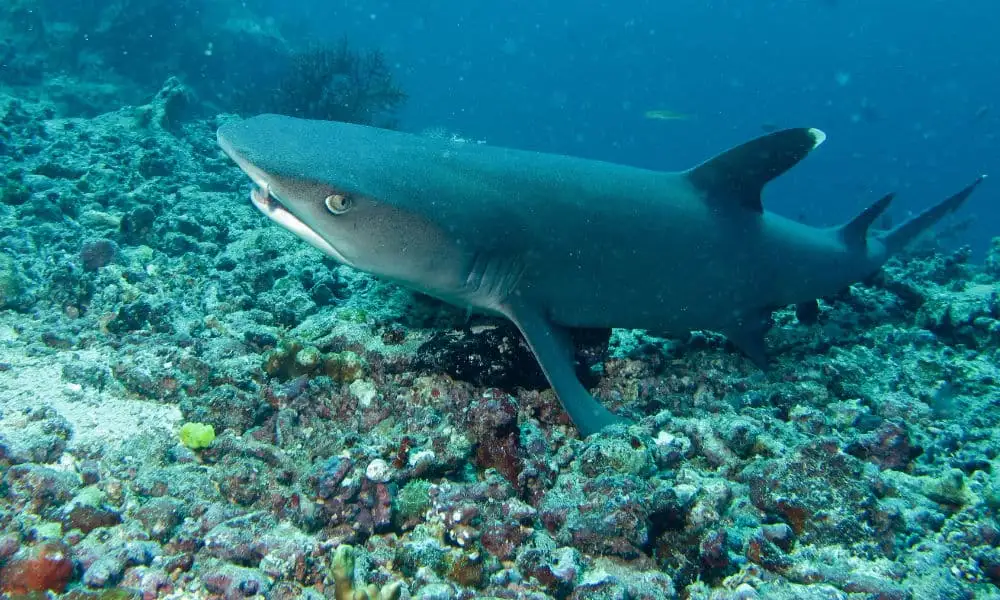
Whitetip reef shark
Triaenodon obesus
Vulnerable
 NT
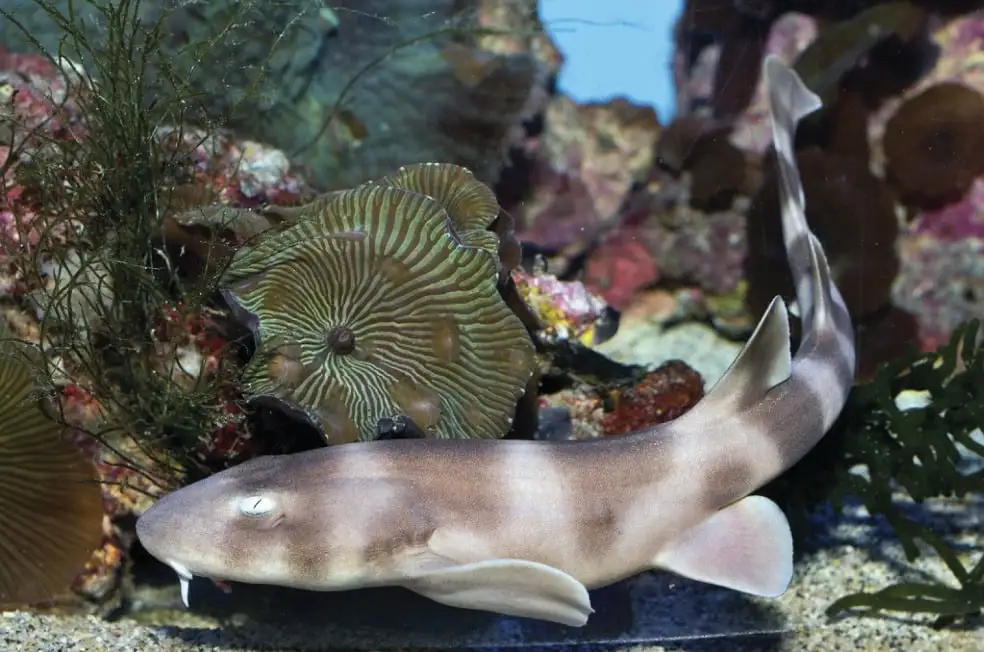
Brownbanded bamboo shark
Chiloscyllium punctatum
Near Threatened