
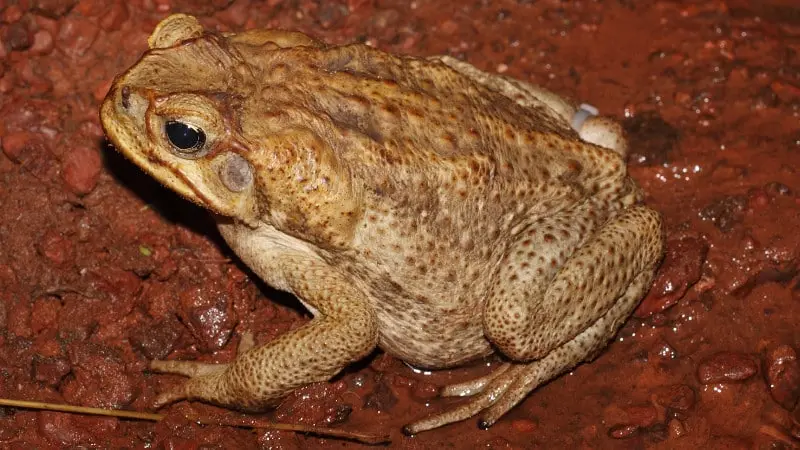
Cane toad
Rhinella marina
IUCN Red List
LC Least Concern
Who it is
This animal owes its common name to a particular story linked to “biological control”, a technique that uses one living creature to counter the damage caused by other animals. As it is a very greedy toad, it was introduced into several countries around the world to protect sugar cane plantations from attack by a small pest called the “cane beetle”, relying on the toad preying on the small insect. Despite its success in keeping the beetle population down, releasing this amphibian caused far greater problems for ecosystems, above all through its harmful effect on some predators, which suffered from this animal's toxins. Even today it is considered one of the most invasive alien species in the world.
For now, it is holding on.
Widespread and abundant: not in danger for now.
-
LC
Least Concern
Cane toad
-
NT
Near Threatened
-
VU
Vulnerable
-
EN
Endangered
-
CR
Critically Endangered
The facts, in plain view.
Classification, distribution and habits: what you need to recognise it and to know where it comes from.
- Class
- Amphibia
- Family
- Bufonidae
- Distribution
- Central and South America
- Habitat
- Tropical and steppe climates
- Diet
- Insects, rodents, small reptiles and amphibians
- Size
- Up to 15-20 cm
Neighbours in Tropicarium.
89 species share this environment. Each one has its own card: scientific name, habitat, diet, conservation.
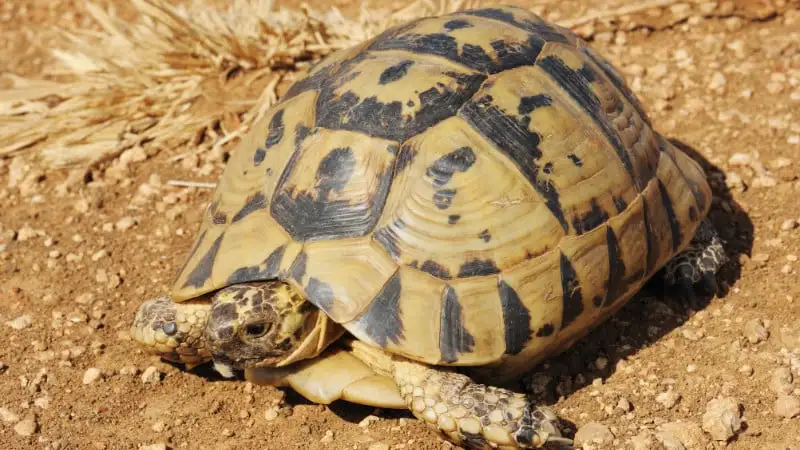 VU
Greek tortoise
Testudo graeca
Vulnerable
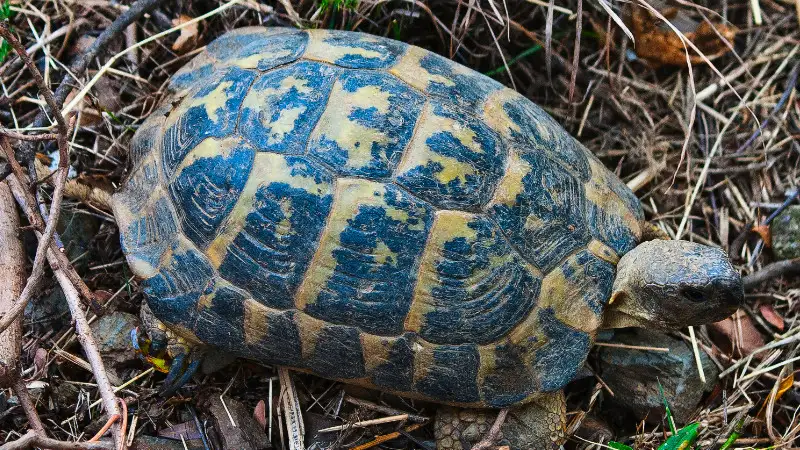 NT
Hermann's tortoise
Testudo hermanni
Near Threatened
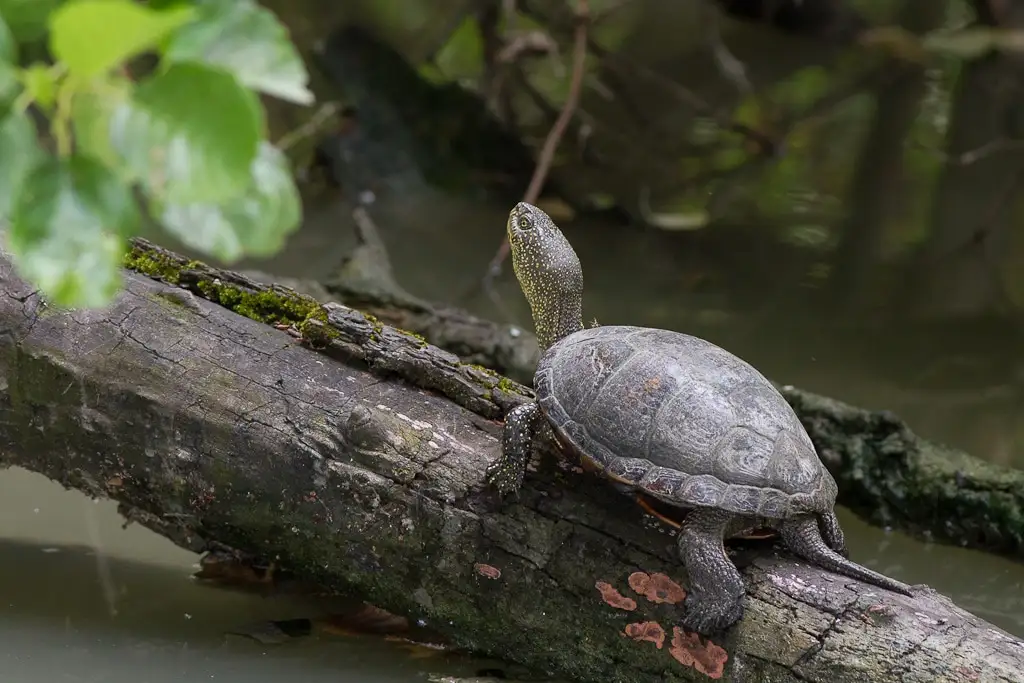 NT
European pond turtle
Emys orbicularis
Near Threatened
 LC
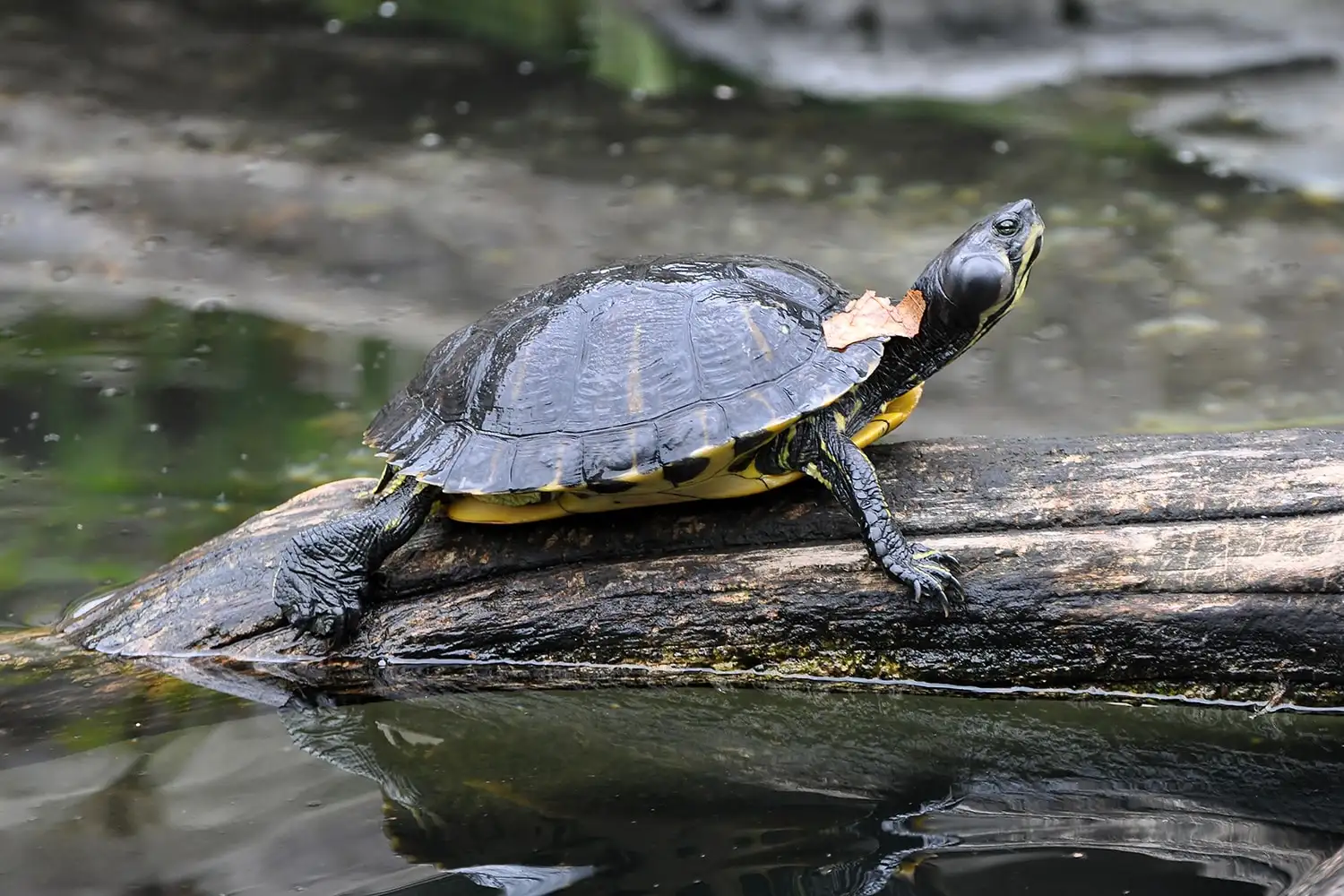
Pond slider
Trachemys scripta
Least Concern
 LC
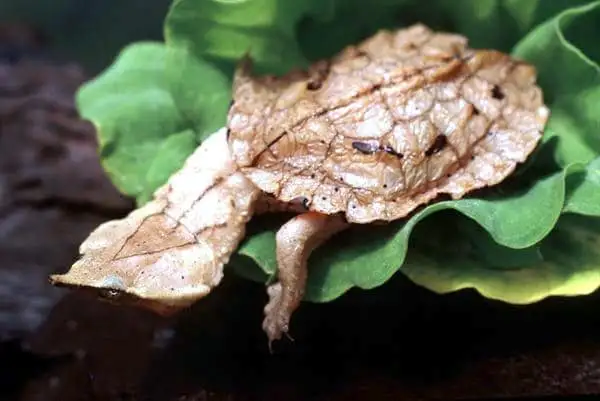
Amazon mata mata
Chelus fimbriatus
Least Concern
 LC
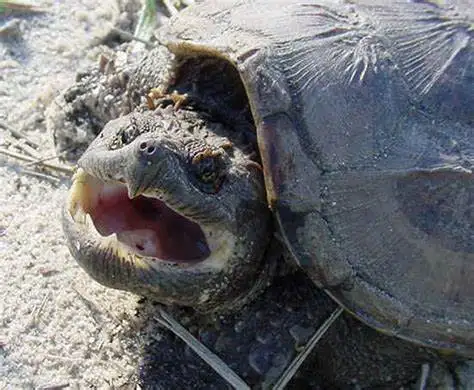
Common snapping turtle
Chelydra serpentina
Least Concern